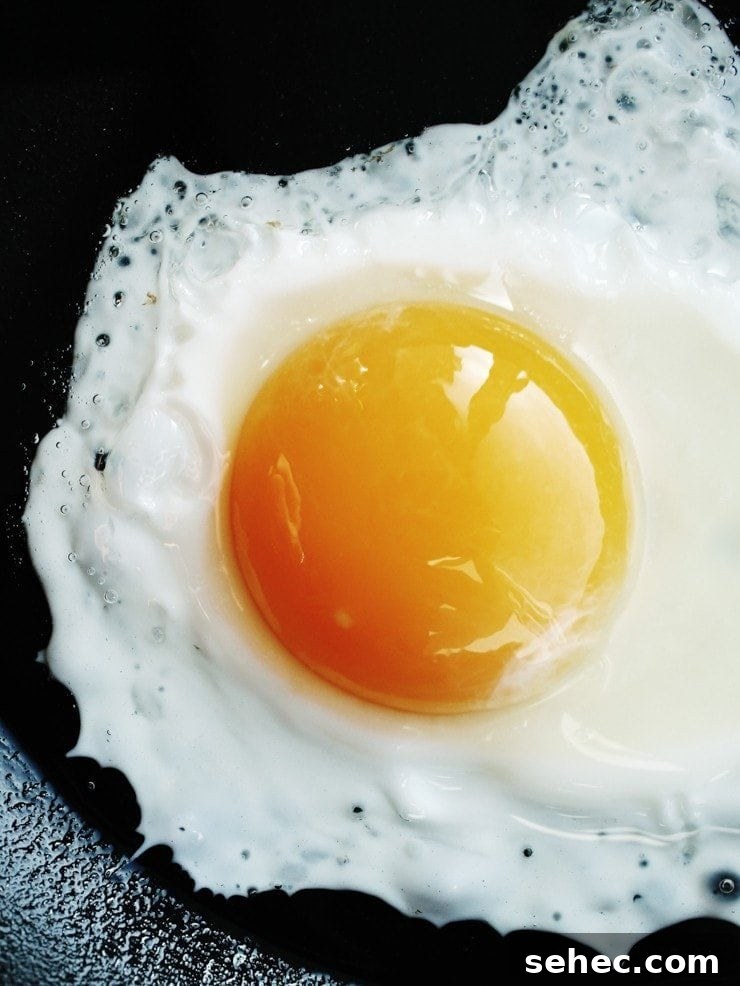
Learning how to fry an egg perfectly is one of the most useful kitchen skills you can master. A fried egg can be soft and buttery with a runny yolk, crisp around the edges, or fully cooked through, depending on how you like it. Whether you prefer sunny-side-up eggs, over-easy eggs, over-medium eggs, over-hard eggs, or crispy fried eggs, the method is simple once you understand the pan, the fat, and the heat. With fresh eggs, a good skillet, and a little butter or oil, you can make a satisfying fried egg for breakfast, lunch, dinner, toast, rice bowls, sandwiches, or salads.
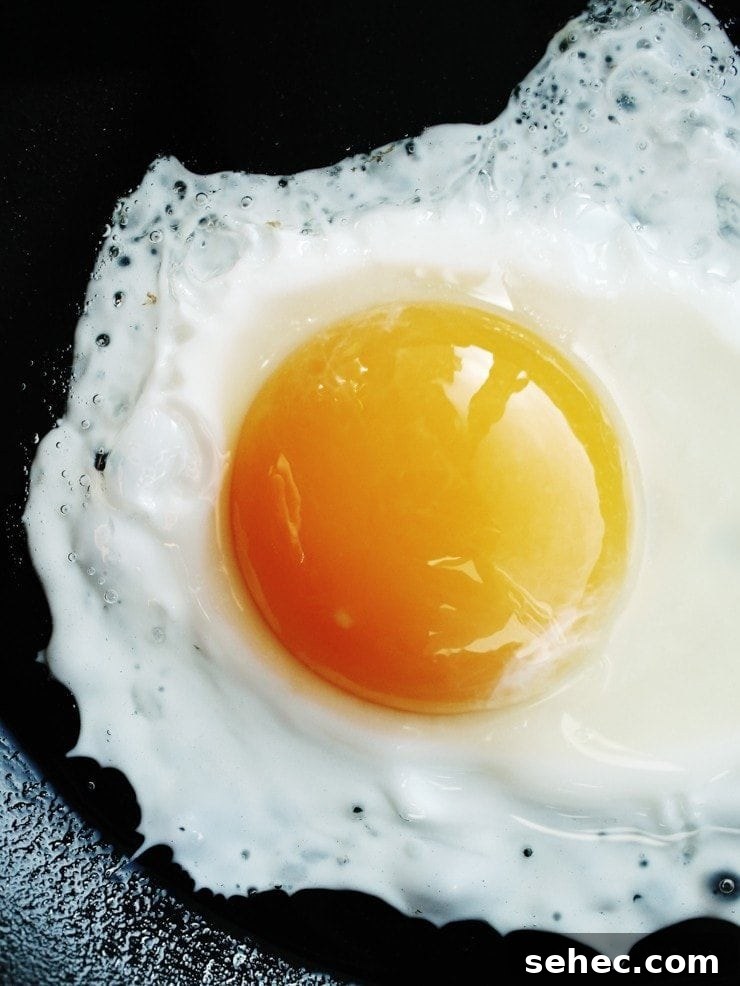
Table of contents
- The Perfect Fried Egg: A Childhood Staple
- The Perfect Fried Egg
- What You Need for Perfect Fried Eggs
- Ingredients for Fried Eggs
- Choosing the Right Fat for Frying Eggs
- Understanding Egg Doneness: Sunny-Side Up to Over-Hard
- The Best Pan for Frying Eggs
- TL;DR: The Best Pans for Frying Eggs
- Choosing the Right Non-Stick Skillet
- How to Fry an Egg Sunny-Side Up
- To Fry an Egg Sunny-Side Up
- Frying Eggs in Cast-Iron or Carbon Steel
- How to Make Eggs Over-Easy
- How to Make Eggs Over-Medium
- Perfecting Eggs Over-Hard
- How to Cook Crispy Fried Eggs
- To Make Crispy Fried Eggs
- Tips for Frying Eggs Perfectly
The Perfect Fried Egg: A Childhood Staple
One of the first things many people learn to cook is a fried egg. It seems simple, but the difference between a great fried egg and an overcooked one is easy to notice. Tough whites, scorched edges, and a chalky yolk can ruin the experience. A properly fried egg should be tender, flavorful, and cooked just the way you like it. For some, that means a glossy sunny-side-up egg with a runny yolk. For others, it means crisp, golden edges and a yolk that is partly or fully set.
The Perfect Fried Egg
A perfect fried egg is all about control. The heat should be gentle enough to cook the whites evenly without burning them, but warm enough to set the egg quickly. Butter gives fried eggs a soft, rich flavor, while oil can help create crisp edges. Bacon fat, ghee, or another cooking fat can also be used if you enjoy a deeper flavor.
The most important thing is to watch the egg as it cooks. Eggs fry quickly, and an extra minute can change a runny yolk into a firm one. Once you understand the basic timing, you can make fried eggs with confidence every time.
What You Need for Perfect Fried Eggs
Ingredients for Fried Eggs
Fresh eggs: Fresh eggs hold their shape better in the pan and usually give you a neater result. This guide focuses on chicken eggs, but the same basic method can be used for duck eggs or quail eggs with adjusted cooking times.
Butter or oil: Unsalted butter is excellent for soft, tender fried eggs. Oil works well when you want crispier edges. You can also use ghee, bacon grease, or another cooking fat you enjoy.
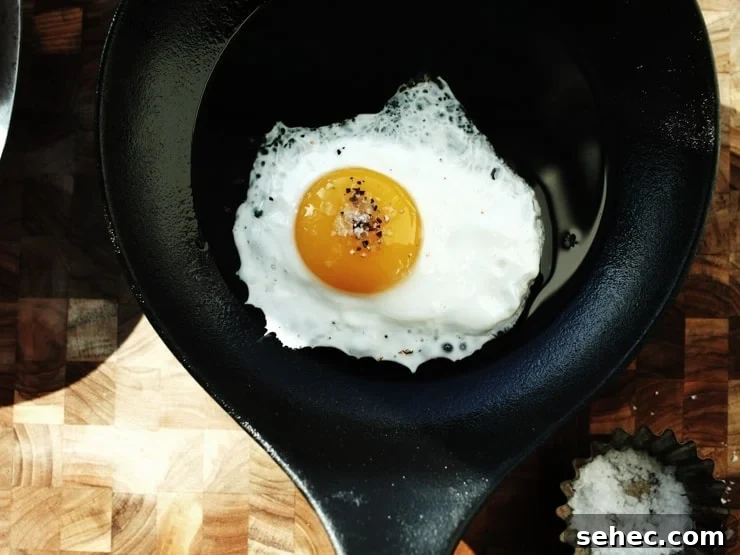
Salt and pepper: A simple finish of salt and freshly ground black pepper is often all a fried egg needs.
Choosing the Right Fat for Frying Eggs
The fat you choose affects both taste and texture. Butter gives the egg a creamy flavor and softer edges. Olive oil or another cooking oil can make the edges more golden and crisp. Ghee is another good option because it adds richness while handling heat well. If you are using salted butter, season lightly at the end so the egg does not become too salty.
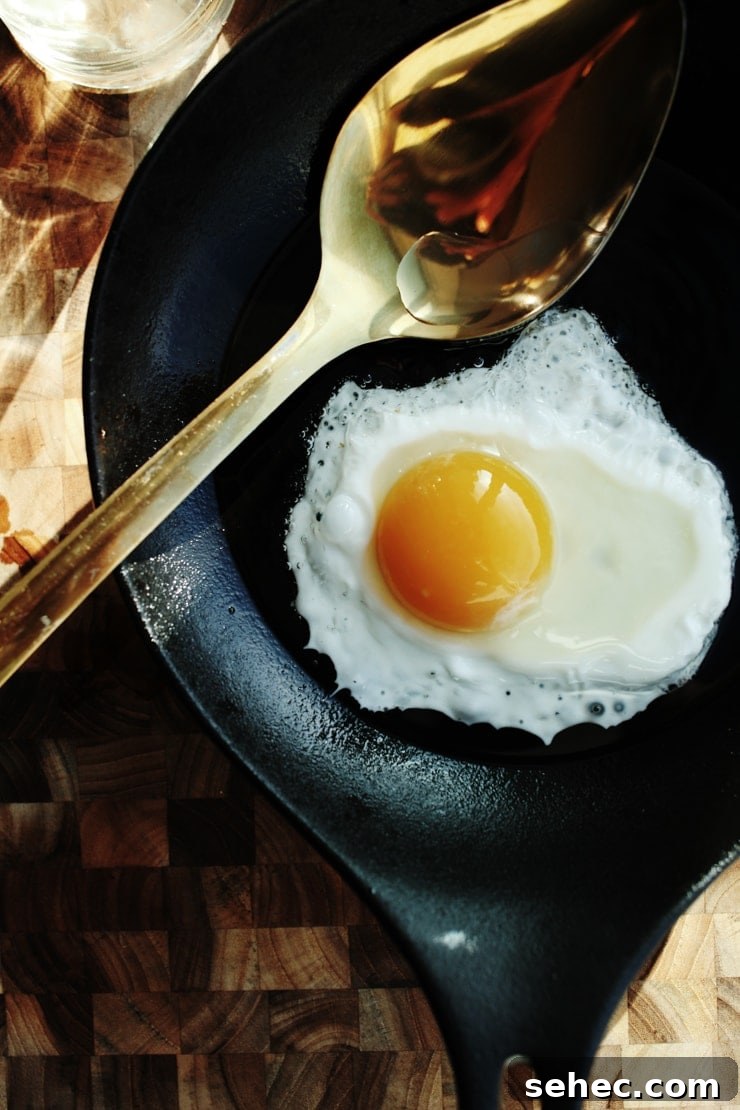
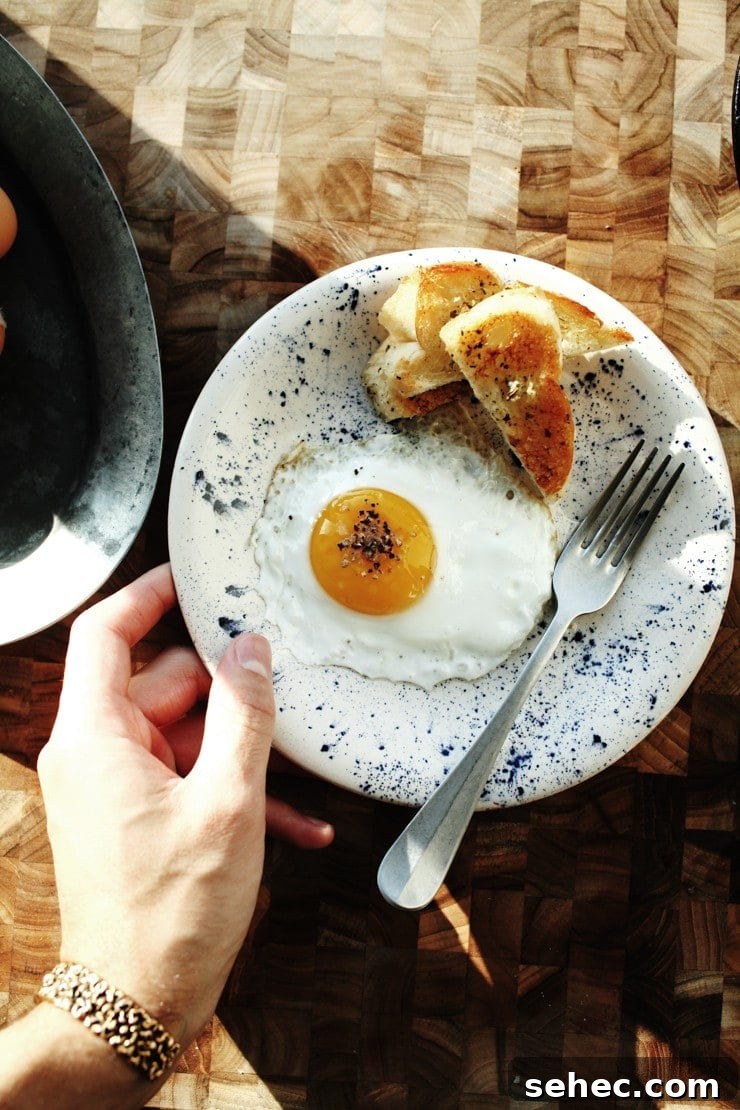
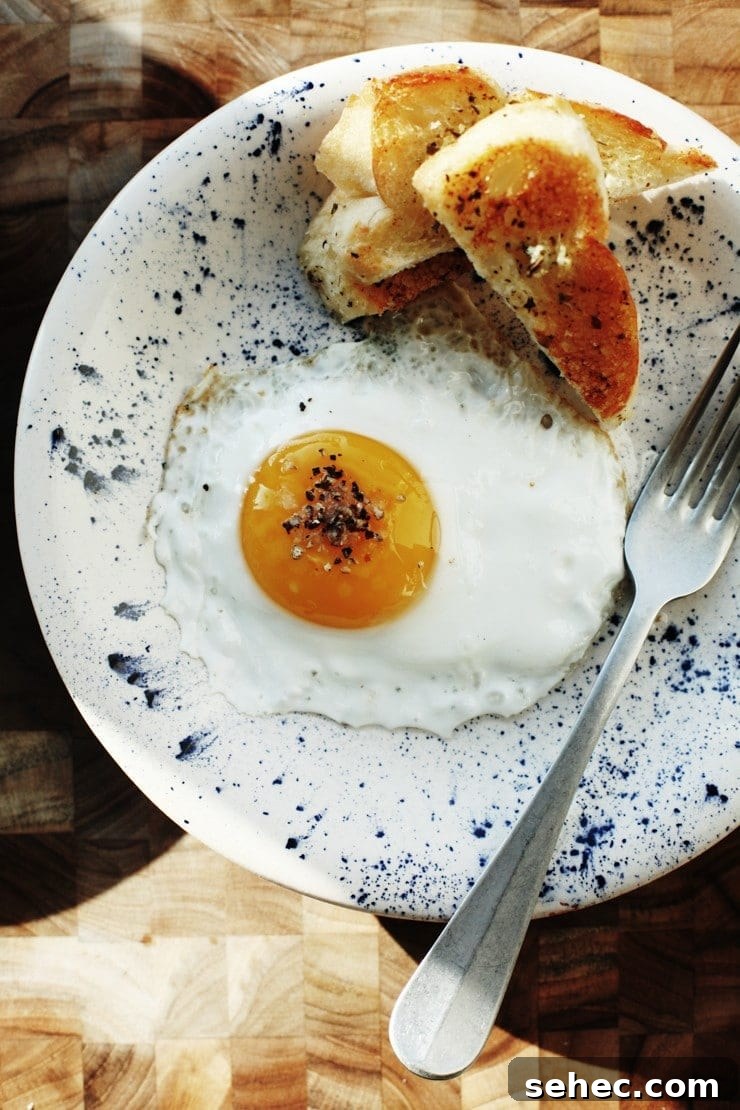
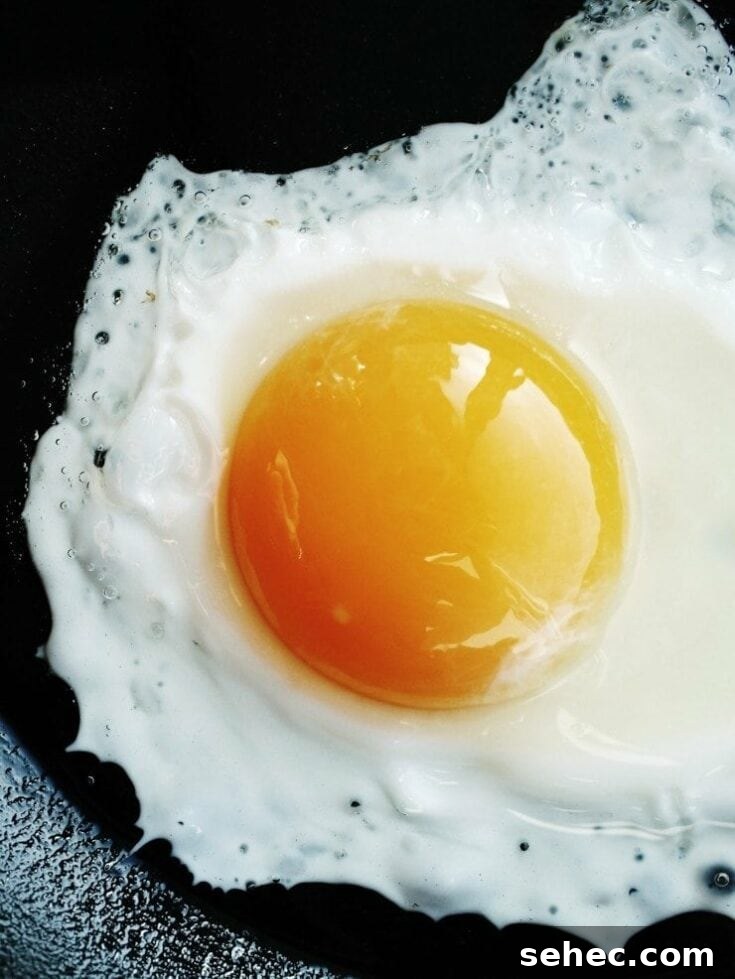
For a classic sunny-side-up egg, fry it for about 2 to 3 minutes, or until the white is fully set and the yolk remains runny. Cook longer if you prefer a firmer yolk.
You only need to flip a fried egg if you are making it over-easy, over-medium, or over-hard. Sunny-side-up eggs are cooked on one side only.
Understanding Egg Doneness: Sunny-Side Up to Over-Hard
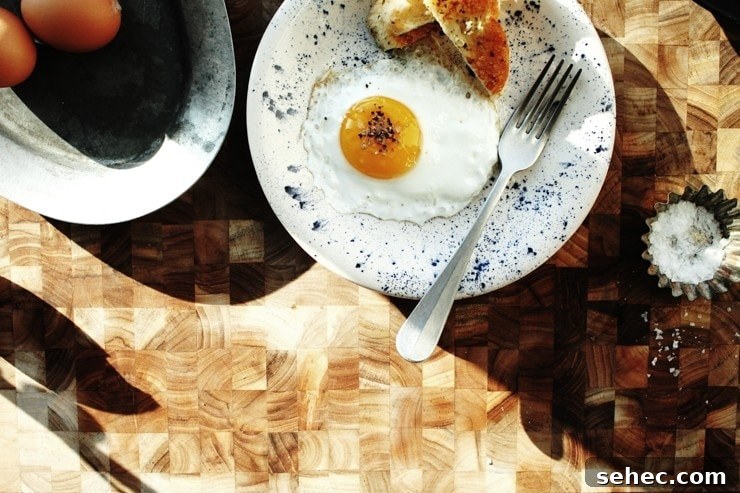
- Sunny-Side Up: Cooked on one side until the white is set and the yolk stays soft and runny.
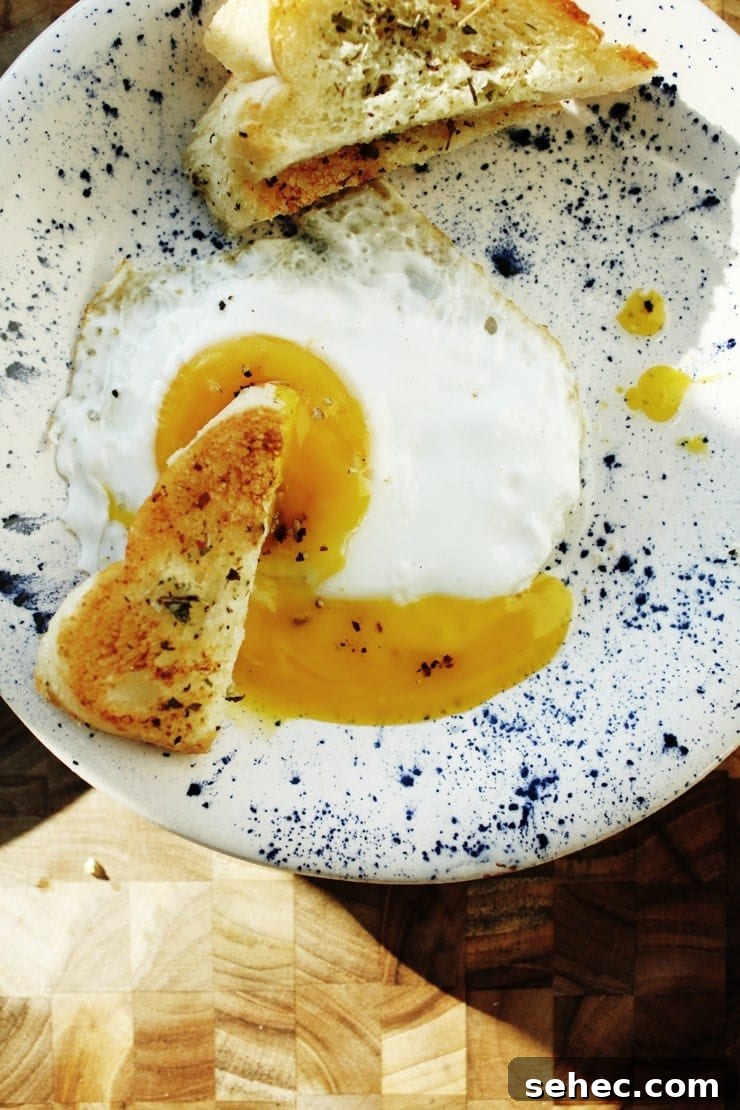
- Over-Easy: Flipped briefly so the top is lightly set while the yolk remains runny.
- Over-Medium: Flipped and cooked a little longer, leaving the yolk partly set but still slightly soft in the center.
- Over-Hard: Flipped and cooked until both the white and yolk are fully firm.
The Best Pan for Frying Eggs
A non-stick skillet is the easiest and most reliable pan for frying eggs. It allows the egg to release cleanly and makes cleanup simple. It also lets you use less butter or oil while still getting a tender result.
If you want crispy fried eggs, a well-seasoned cast-iron skillet or carbon steel pan is a better choice. These pans hold heat well and help create golden, lacy edges. They do require more oil and a little more attention. Stainless steel is not ideal for fried eggs because eggs tend to stick unless the pan is very well heated and enough fat is used.
TL;DR: The Best Pans for Frying Eggs
- Non-stick skillet: Best for easy frying, soft edges, and simple cleanup.
- Cast-iron or carbon steel: Best for crispy edges and shallow-fried eggs.
- Stainless steel: More difficult because eggs can stick easily.
Choosing the Right Non-Stick Skillet
Choose a sturdy non-stick skillet that heats evenly and fits your burner. An 8-inch to 10-inch skillet is usually a good size for one or two eggs. Since non-stick pans do not last forever, it is better to choose one that is reliable and easy to handle rather than overly expensive. Avoid very high heat, which can damage the coating and make eggs more likely to cook unevenly.
How to Fry an Egg Sunny-Side Up
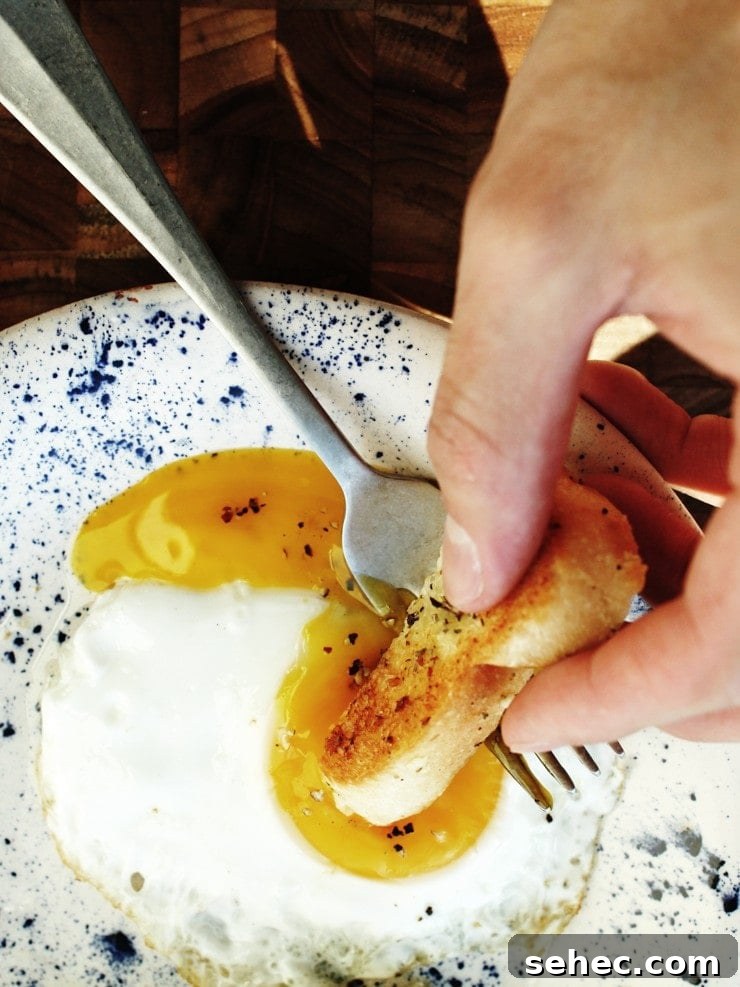
To Fry an Egg Sunny-Side Up
- Heat the pan: Place a non-stick skillet over medium-low heat.
- Add butter or oil: Once the pan is warm, add a small amount of butter or oil.
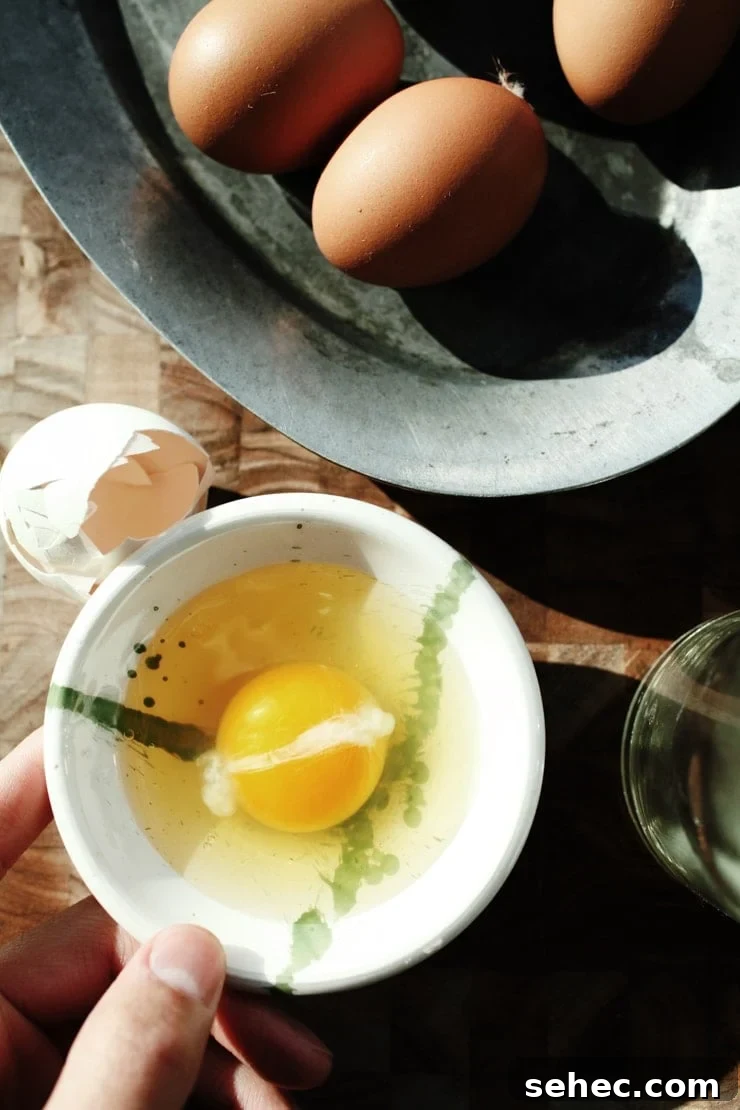
- Crack the egg: Crack the egg into a small bowl first so you can remove any shell fragments.
- Cook gently: Slide the egg into the skillet, cover the pan, and cook for 2 to 3 minutes, until the white is set and the yolk is still runny.
- Season and serve: Remove the egg from the pan and season with salt and pepper.
Frying Eggs in Cast-Iron or Carbon Steel
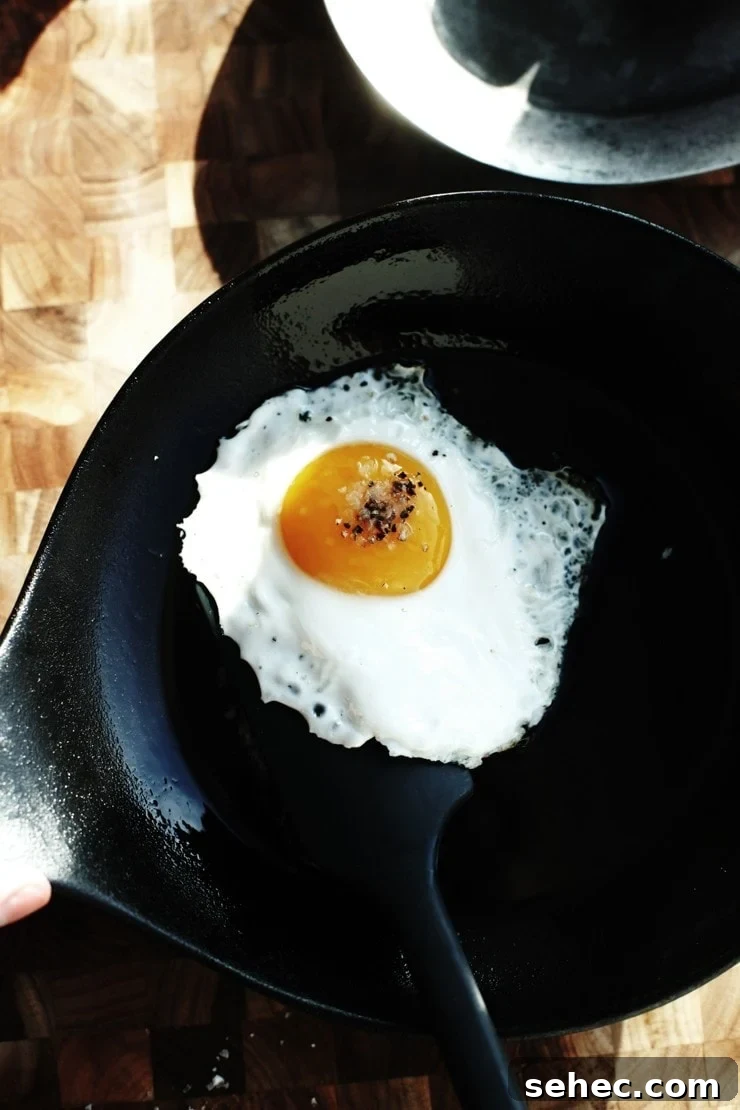
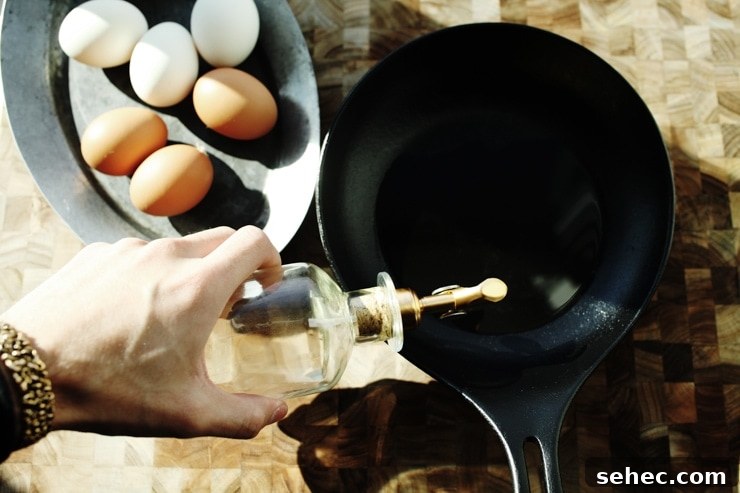
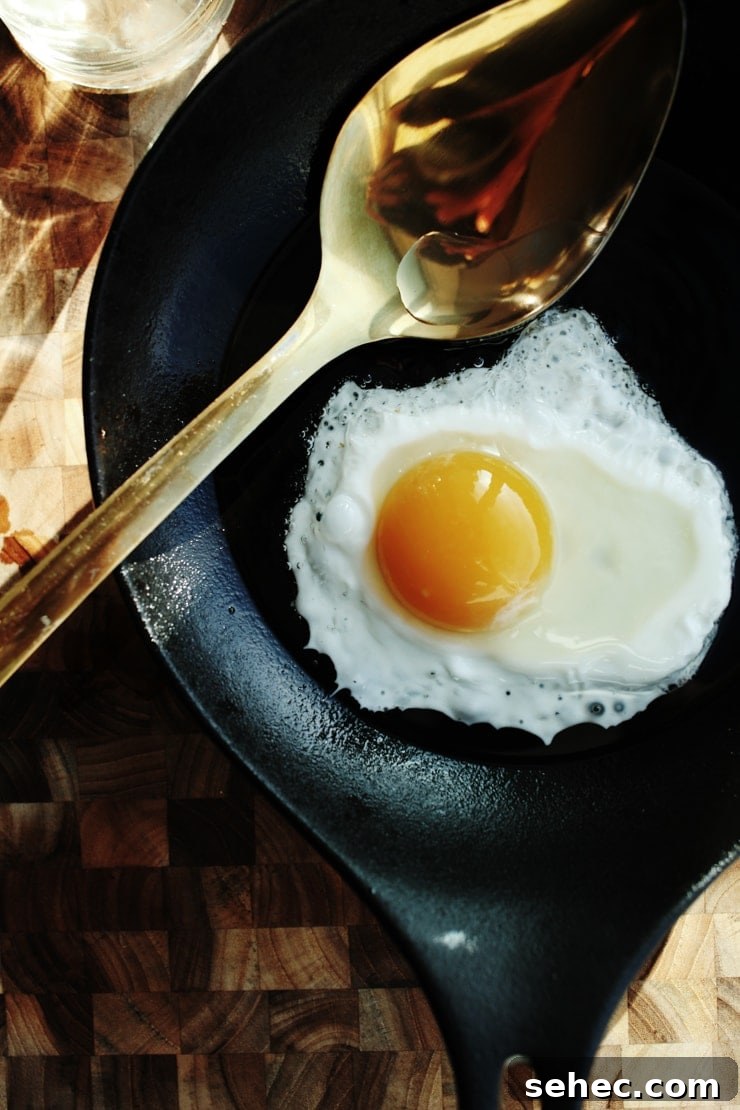
For crispy fried eggs, use a well-seasoned cast-iron or carbon steel skillet and a little more oil than you would use in a non-stick pan. Heat the oil until it shimmers, then gently add the egg. Spoon the hot oil over the white to help it set while the edges become crisp. This method is especially good when you want golden edges and a soft yolk.
- Heat the oil: Add about 1/8 inch of oil to the skillet and warm it over medium-low heat until shimmering.
- Add the egg: Crack the egg into a small bowl, then slide it carefully into the oil.
- Baste with hot oil: Tilt the pan slightly and spoon hot oil over the egg white.
- Cook to your liking: Continue basting until the egg reaches your preferred doneness.
- Serve: Season with salt and freshly ground black pepper.
How to Make Eggs Over-Easy
- Start sunny-side up: Cook the egg until the white is set and the yolk is still runny.
- Flip carefully: Use a thin spatula to turn the egg over without breaking the yolk.
- Cook briefly: Cook for about 20 seconds, just until the top is lightly set.
- Serve immediately: Remove from the pan while the yolk is still runny.
How to Make Eggs Over-Medium
- Cook the first side: Fry the egg until the white is set.
- Flip gently: Turn the egg over with care.
- Cook a little longer: Cook for about 35 seconds, until the yolk is partly set but still slightly soft.
- Serve warm: Remove from the skillet and enjoy right away.
Perfecting Eggs Over-Hard
- Cook the egg: Fry the first side until the white is fully set.
- Flip the egg: Turn it over carefully.
- Cook until firm: Continue cooking for 1 to 2 minutes, until the yolk is completely set.
- Serve: Remove from the pan and season to taste.
How to Cook Crispy Fried Eggs
Crispy fried eggs are cooked in a generous amount of hot oil so the edges become golden and lacy while the yolk can stay soft. This style is often associated with Thai and Spanish cooking, and it is delicious with bread, rice, flatbreads, or savory pancakes.
To Make Crispy Fried Eggs
- Heat the oil: Use enough oil to nearly shallow-fry the egg. Heat until shimmering.
- Add the egg: Crack the egg carefully into the hot oil.
- Fry until crisp: Cook until the edges are golden, spooning hot oil over the white as needed.
- Serve right away: Enjoy while the edges are still crisp and the yolk is warm.
Tips for Frying Eggs Perfectly
- Use fresh eggs: They hold their shape better and look neater in the pan.
- Control the heat: Medium-low heat is best for tender eggs; slightly hotter oil helps create crispy edges.
- Crack eggs into a bowl first: This makes it easier to remove shell pieces and slide the egg gently into the pan.
- Do not walk away: Fried eggs cook quickly, especially if you want a runny yolk.
- Season at the end: Salt and pepper finish the egg without drawing out too much moisture while it cooks.
Once you know how to fry an egg, you can adjust the method to match your favorite texture. Use butter and a non-stick skillet for a soft, classic fried egg, or use hot oil in cast iron for crisp edges. With a few minutes and the right technique, you can make a perfect fried egg any time of day.
More Cooking and Baking How-Tos
- How to Quickly Bring Eggs to Room Temperature
- How to Make the Best New York-Style Bagels
- How to De-Seed a Pomegranate
- How to Properly Freeze & Store Cookie Dough
- Quick & Easy Puff Pastry at Home
- New York-Style Soft Pretzels
How to Fry an Egg
Learn how to fry an egg exactly the way you like it: soft and buttery, crispy around the edges, sunny-side up, over-easy, over-medium, or over-hard. For the best texture, use fresh eggs and cook them with steady heat.
For tender eggs, use butter or ghee in a non-stick skillet over medium-low heat. For crispy fried eggs, use oil in a cast-iron or carbon steel skillet and let the oil shimmer before adding the egg.
Season with salt and pepper to taste. If you use salted butter, add salt lightly at the end.
1 minute
3 minutes
1 minute
5 minutes
Ingredients
- 1 large egg
- 1 tablespoon oil or butter, or another fat of your choice
- Salt, to taste
- Pepper, to taste
Instructions
How to Fry an Egg in Butter or Oil in a Non-Stick Skillet
- Crack the egg into a small bowl and check for shell fragments.
- Heat a non-stick skillet over medium-low heat. Add the butter or oil once the pan is warm.
- Slide the egg gently into the skillet. Cover the pan and cook until the white is set.
- For sunny-side up, remove the egg while the yolk is still runny. Season with salt and pepper to taste.
How to Fry an Egg in Oil in a Cast-Iron Skillet
- Crack the egg into a small bowl and make sure there is no shell in it.

- Heat about 1/8 inch of oil in the skillet over medium-low heat for 1 to 2 minutes, until hot and shimmering.
- Gently add the egg to the hot oil. Let it cook for a few seconds, then tilt the skillet slightly and spoon hot oil over the white until it is set and lightly puffed. Keep the yolk runny if desired.
- For over-easy, over-medium, or over-hard eggs, continue cooking or spooning hot oil over the egg until it reaches your preferred doneness.
- Serve with salt and freshly ground black pepper.
Notes
Other Egg Frying Techniques
- Over-easy: Flip the egg and cook for about 20 seconds, until the top is lightly set and the yolk is still runny.
- Over-medium: Flip the egg and cook for about 35 seconds, until the white is set and the yolk is slightly firm but still a little soft in the center.
- Over-hard: Flip the egg and cook for 1 to 2 minutes, until the yolk is fully firm with no runniness.
Nutrition Information:
Yield:
1
Serving Size:
1 Egg
Amount Per Serving:
Calories: 173
Total Fat: 16g
Saturated Fat: 9g
Trans Fat: 0g
Unsaturated Fat: 6g
Cholesterol: 217mg
Sodium: 162mg
Carbohydrates: 0g
Fiber: 0g
Sugar: 0g
Protein: 6g