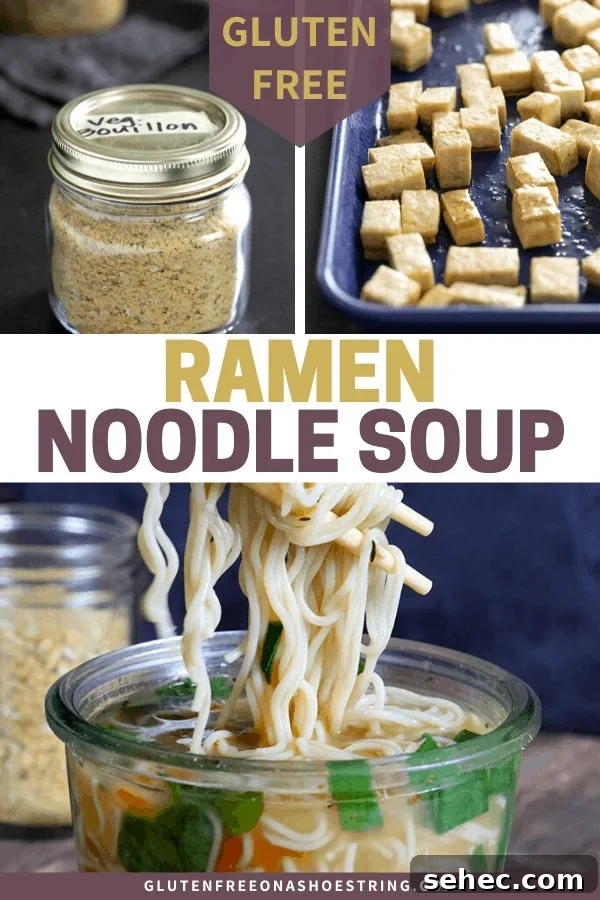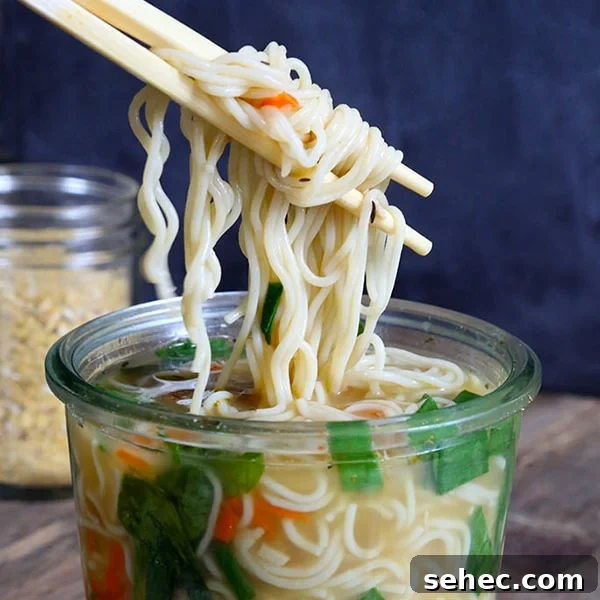
If you miss the comfort and convenience of ramen soup, these gluten free instant ramen noodle cups are an easy way to bring it back. They are warm, flavorful, quick to prepare, and perfect for lunch, dinner, school, or work.
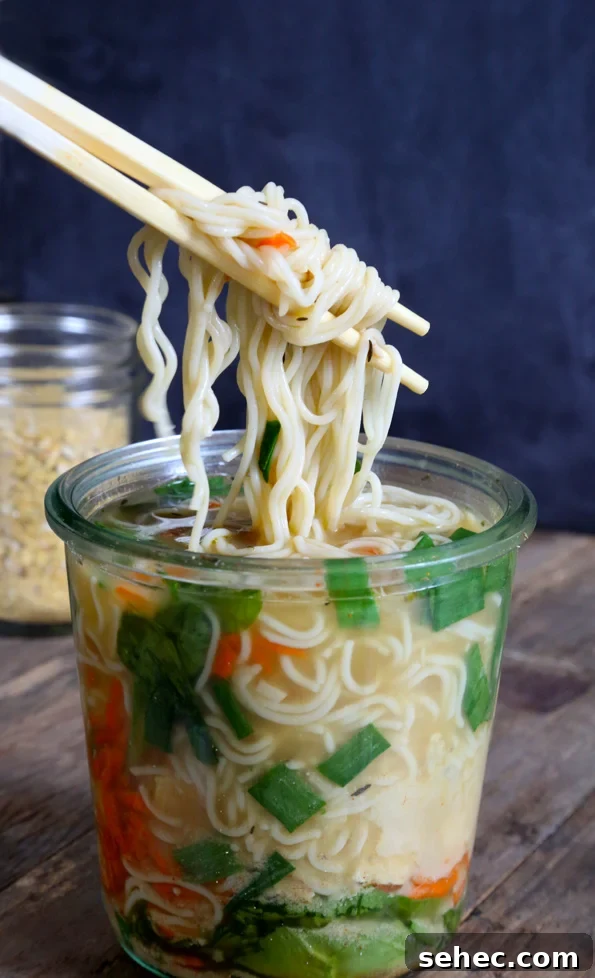
Instant noodle cups make the perfect lunch or quick dinner
Homemade gluten free instant noodle cups are one of the easiest ways to prepare a satisfying meal ahead of time. They have all the cozy flavor of ramen, but they are made with gluten free noodles, fresh vegetables, and a simple homemade bouillon powder that turns hot water into a savory broth.
These noodle cups are especially helpful for work lunches. Instead of relying on leftovers every day, you can prepare a few jars in advance and keep them in the refrigerator. When lunchtime comes, all you need is hot water and a couple of minutes for the ingredients to steep.
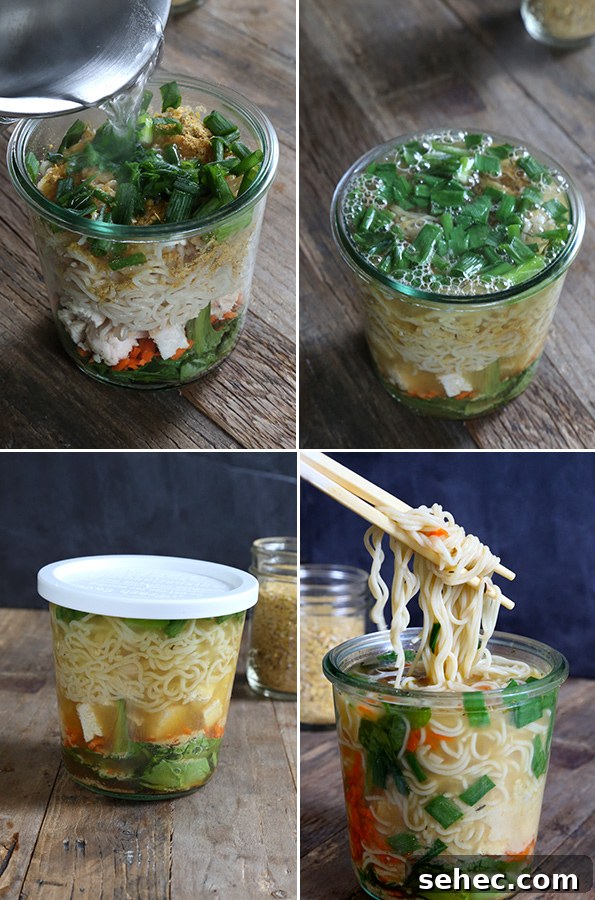
For the best results, take the jar out of the refrigerator a little before serving so the ingredients can come closer to room temperature. If the vegetables, noodles, and tofu are very cold, they can cool the hot water too quickly. Once ready, fill the jar with boiling water, cover it, let it steep for about 2 minutes, stir gently, and enjoy a hot gluten free ramen soup.
Why you’ll love this gluten free ramen recipe
This gluten free ramen recipe is ideal if you love traditional ramen flavors but need to avoid gluten. It is easy to make, uses familiar ingredients, and can be customized with the vegetables and protein you like best. The broth is savory and comforting, while the fresh vegetables add color, texture, and freshness.
These gluten free ramen noodle cups are also practical. You can assemble them ahead of time and store them in the refrigerator for up to 3 days, as long as your ingredients are fresh. That makes them a smart option for meal prep, quick lunches, and busy weeknights when you want something warm without much effort.
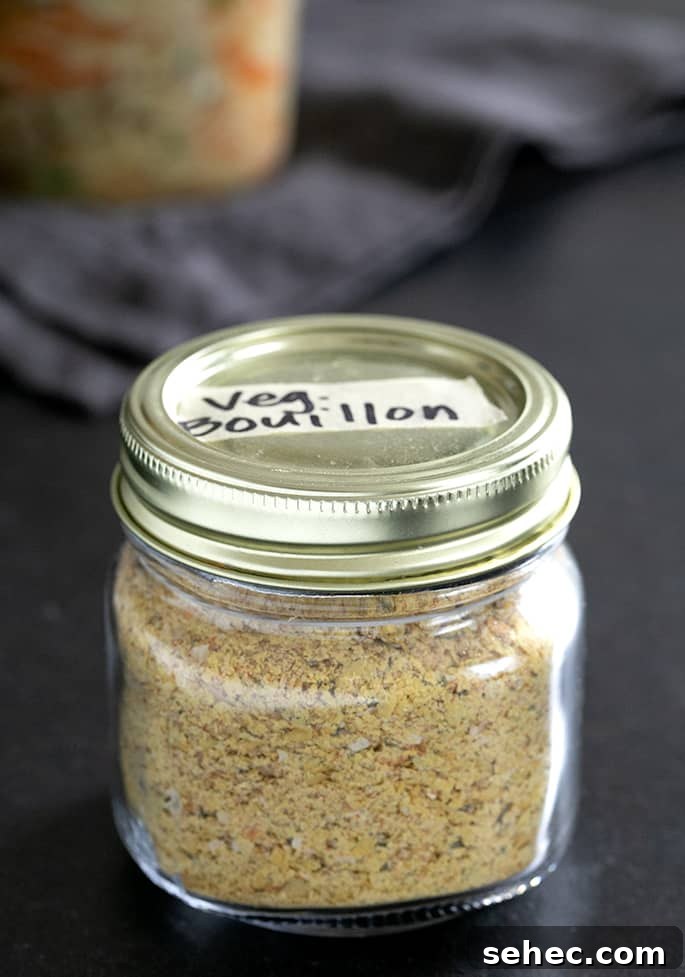
The key to the recipe is the homemade vegetable bouillon powder. It is made with nutritional yeast, herbs, spices, salt, and a little sugar, creating a flavorful base that dissolves into hot water. Combined with gluten free tamari and miso paste, it gives the soup depth and a satisfying ramen-style taste.
Ingredients for ramen noodle soup
These gluten free ramen noodles are flexible, so you can adjust the vegetables, protein, and seasonings to suit your taste. The basic formula is simple: gluten free noodles, vegetables, protein, miso, tamari, bouillon powder, scallions, and boiling water.
The vegetables
Fresh vegetables make these noodle cups colorful and satisfying. Baby spinach, shredded carrots, mushrooms, and sugar snap peas work especially well. Some vegetables can be added raw, while others are best blanched briefly before assembling the cups.
To blanch vegetables, bring a few quarts of water to a boil. Add one type of vegetable at a time and cook for about 30 seconds, then drain and set aside. Green vegetables such as sugar snap peas should become bright green. Mushrooms only need enough time to soften slightly.
When you add boiling water to the finished noodle cups, the vegetables will soften a bit more as the soup steeps. That is why they should remain tender-crisp rather than fully cooked during preparation.
The noodles
Use gluten free ramen noodles or gluten free rice noodles that come in individual nests. Cook or soften them according to the package directions, then rinse with cold water to stop the cooking. If you are not assembling the cups right away, toss the noodles with a very small amount of extra virgin olive oil to help prevent clumping.
Homemade vegetable bouillon
The noodles may look like the main ingredient, but the homemade gluten free vegetable bouillon powder is what gives these instant ramen cups their deep flavor. It transforms plain boiling water into a warm, savory broth.
The base of the bouillon powder is nutritional yeast flakes, which have a mild nutty, savory flavor. They are blended with salt, onion, garlic, dried herbs, smoked paprika, turmeric, ginger, wasabi powder if available, and light brown sugar.
Store the bouillon powder in a sealed glass container. You can use it for these gluten free ramen noodle cups or stir it into hot water whenever you want a quick vegetable-style broth.
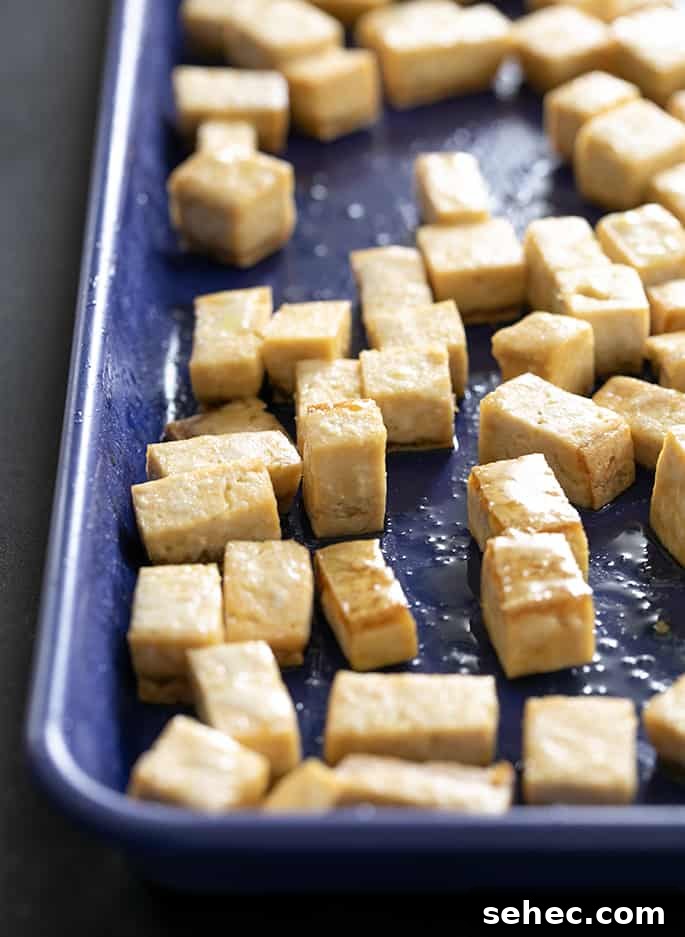
How to roast tofu
Tofu is a simple protein option for gluten free ramen. You can use it straight from the package, but many people prefer it baked because the outside becomes lightly crisp while the inside stays tender.
Start with extra-firm tofu. Drain it well, then press out as much moisture as possible. If the tofu is dense, a paper towel may be enough. If it is more porous, wrap it in paper towels or a clean kitchen towel, place it on a plate, and weigh it down with something heavy for a short time.
Cut the tofu into cubes and toss it with 1 to 2 tablespoons of extra virgin olive oil and kosher salt to taste. Spread the pieces in a single layer on a nonstick or lined baking sheet. Bake at 400°F for about 20 minutes, until the outside has a light crust.
Avoid baking the tofu until it becomes dry and crunchy all the way through. For more even browning, you can turn the pieces halfway through baking, although it is not essential.
Gluten free ramen ingredients and substitution suggestions
Nutritional yeast
Nutritional yeast is an inactive form of yeast with a mild savory flavor. It works well in this bouillon powder because it adds depth without needing a long-simmered stock. Use a product labeled gluten free if needed.
Wasabi Powder
Wasabi powder adds a subtle sharpness to the bouillon. If you cannot find a gluten free wasabi powder, simply leave it out. The ramen will still be flavorful.
Ramen or Rice Noodles
Look for gluten free ramen noodles or gluten free brown rice noodles sold in individual nests. Nests are convenient because each one becomes a single serving for one instant noodle cup.
Always check labels carefully, since traditional ramen noodles are usually made with wheat flour and are not gluten free.
Miso Paste
Some miso paste is made with barley, which is not suitable for a gluten free diet. Choose a miso paste that is labeled gluten free. Mellow white miso works well because it blends smoothly into the broth and adds rich umami flavor.
If you cannot find gluten free miso paste, a small amount of gluten free fish sauce can add a similar savory depth.
Tamari/soy sauce
Use gluten free tamari or gluten free soy sauce. Regular soy sauce often contains wheat, so it is important to choose one that is clearly labeled gluten free.
Scallions
Fresh scallions add a bright finish to gluten free ramen noodle soup. You can wash, chop, and freeze them in a single layer on a lined baking sheet, then transfer them to a freezer bag. Frozen chopped scallions thaw quickly and are easy to use in individual servings.
Freeze-dried scallions can also be used, but they are more concentrated, so add them sparingly.
How To Store and Serve Gluten Free Ramen
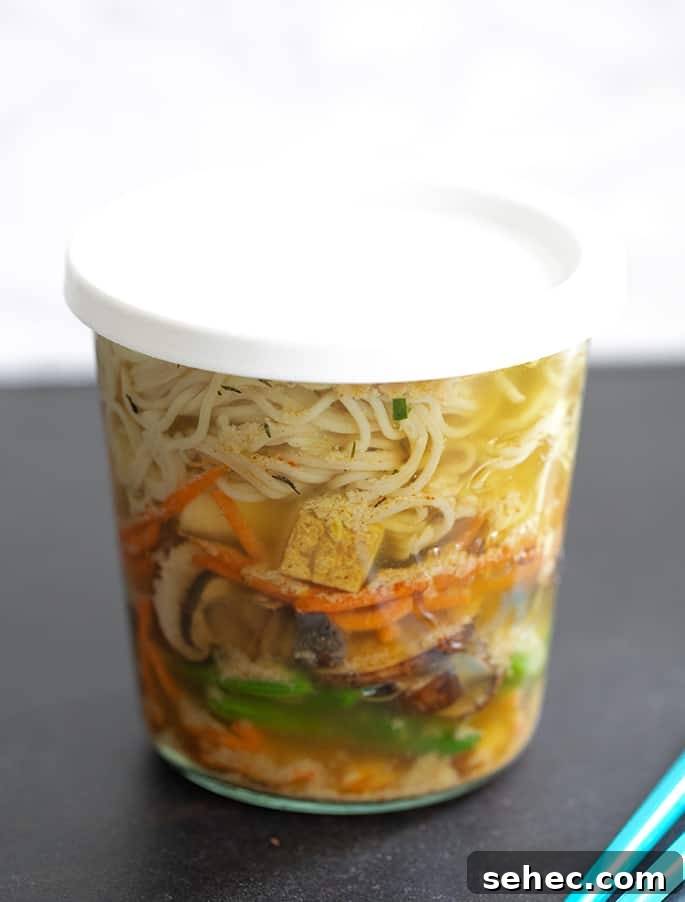
The easiest method is to assemble the jars without water and store them in the refrigerator for up to 3 days. When you are ready to eat, let a jar come closer to room temperature, add boiling water, cover, steep for 2 minutes, stir, and serve.
You can also prepare the full soup, including the broth, and store it in the refrigerator. Reheat a serving gently on the stovetop. The noodles should hold their shape for up to 3 days, although their texture may soften toward the end of that time.
If you want to take hot gluten free ramen with you, prepare the soup and pour it into a thermos so it is ready when you are.
Top tips for making perfect ramen
This recipe is very forgiving, but a few simple tips will help your gluten free ramen taste its best:
- Use good-quality gluten free noodles, tamari, miso, and fresh vegetables for the best flavor.
- Cook vegetables only until tender-crisp, since the boiling water will soften them further.
- Do not overcook the noodles; they soften quickly.
- Adjust the seasoning to taste after the soup has steeped.
- If the noodles will sit before assembly, toss them with a little olive oil to reduce sticking.
- Add delicate toppings, such as boiled eggs, seafood, nori, or sesame seeds, just before serving.
FAQs
Ramen is a Japanese noodle soup dish. There are many versions, but most include broth, noodles, and toppings such as vegetables, tofu, chicken, beef, seafood, eggs, or scallions.
Traditional ramen noodles are not gluten free because they are usually made from wheat flour. However, gluten free ramen noodles and rice noodles are available and work well in this recipe.
Yes. You can add baked tofu, raw extra-firm tofu, cooked chicken, shrimp, or another cooked protein you enjoy. Add toppings such as boiled eggs, nori sheets, green onions, bean sprouts, or sesame seeds just before serving.
Gluten Free Ramen Noodles Recipe
Ingredients
For the vegetable bouillon powder
- ½ cup (40 g) nutritional yeast flakes
- 2 tablespoons kosher salt
- 2 tablespoons onion flakes, or 1 tablespoon onion powder
- 1 ½ teaspoons garlic powder
- ¾ teaspoon dried thyme
- ½ teaspoon dried sage
- 1 teaspoon smoked paprika
- ¼ teaspoon turmeric
- ¼ teaspoon wasabi powder, optional
- ⅛ teaspoon ground ginger
- 1 tablespoon light brown sugar, or coconut palm sugar
For the instant soup
- 4 nests gluten free ramen or rice noodles
- Raw shredded carrots
- Sugar snap peas, blanched in boiling water for 30 seconds
- Sliced button or miniature portobello mushrooms, blanched in boiling water for 30 seconds
- Fresh baby spinach leaves
- 1 cup extra-firm tofu, cubed, raw or baked, or cooked diced chicken breast
- 2 tablespoons gluten free mellow white miso paste
- 4 teaspoons gluten free tamari
- ¼ cup vegetable bouillon powder
- ½ cup fresh scallions, chopped, or 2 tablespoons freeze-dried scallion greens
Instructions
Make the vegetable bouillon powder.
-
Place all bouillon ingredients in a medium bowl and mix until fully combined. Transfer to a resealable glass container, such as a small mason jar, and set aside.
Prepare the noodles.
-
Cook the noodles one nest at a time according to the package directions, or boil them in about a quart of water until they separate and begin to soften.
-
Drain the noodles in a colander and rinse with cold water to stop the cooking.
-
If you are not assembling the cups immediately, toss the noodles with a tiny amount of extra virgin olive oil to prevent clumping.
Assemble the instant soup cups.
-
Set out four heat-safe jars that hold about 20 fluid ounces each.
-
In each jar, layer about 1 cup total vegetables, ½ cup tofu or chicken, 1 ½ teaspoons miso paste, 1 teaspoon tamari, one nest of softened noodles, 1 tablespoon bouillon powder, and scallions to taste.
-
Cover the jars and refrigerate until ready to serve.
-
Assembled cups can be stored for up to 3 days if all ingredients are fresh.
Serve the soup cups.
-
If the cup has been refrigerated, let it come close to room temperature before adding water.
-
Fill each jar with boiling water, leaving a little space at the top so it can be covered safely.
-
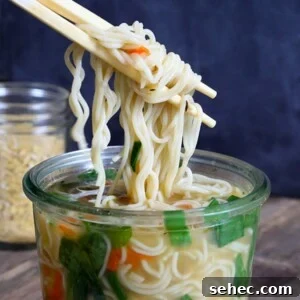
Cover tightly and let steep for 2 minutes. Open, stir gently, and serve hot.
Notes
Nutrition
| Calories: 110 kcal
| Carbohydrates: 14 g
| Protein: 10 g
| Fat: 2 g
| Sodium: 4204 mg
Nutrition information is automatically calculated and should be used only as an approximation.