I love preparing meals on Sunday because it helps me begin the week feeling organized, calm, and ready to make healthier choices. A little planning in advance makes a big difference when life gets busy. When my meals are already planned and my refrigerator is stocked with fresh, ready-to-eat food, I am less likely to feel stressed about what to cook or tempted to grab something that does not support my goals. Weekly meal planning also helps me save time, reduce unnecessary grocery spending, and cut down on food waste at home. As the saying goes, if you fail to plan, you plan to fail. With that in mind, here are my top meal planning tips for healthy eating and a more organized week.
Meal Planning Tips for Healthy Eating
1. Have a Plan
Instead of starting from scratch every single week, create a simple weekly meal plan that you can reuse and adjust. A meal planning template is especially helpful because it gives you a structure to follow without making the process feel overwhelming. You can rotate your favorite breakfasts, lunches, dinners, and snacks each month, then add one or two new recipes when you want more variety. If you enjoy a new meal, add it to your regular meal prep routine.
Having a plan also makes grocery shopping easier and more efficient. Before going to the store, write down the ingredients you need for the meals you plan to make. A clear grocery list helps you avoid impulse purchases, unnecessary snacks, refrigerated prepackaged meals, and highly processed foods that may not be part of your healthy eating plan. It also helps you buy only what you need, which can reduce waste and keep your kitchen more organized.
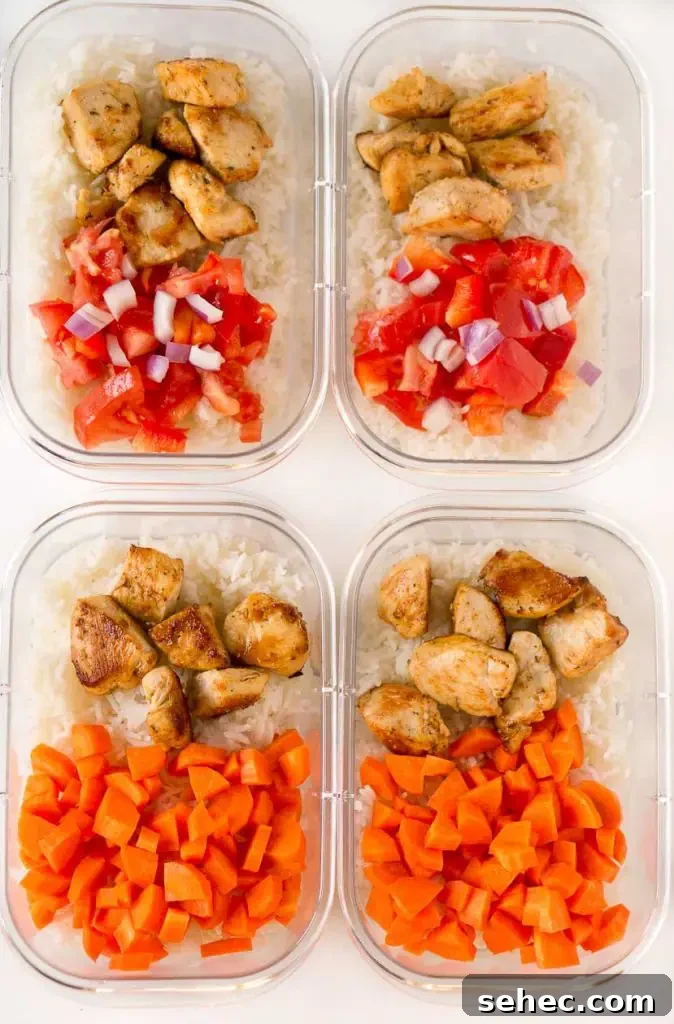
When planning your meals, think about balance and convenience. Choose a protein, a vegetable, and a wholesome side for each main meal whenever possible. You can also plan meals that use similar ingredients in different ways. For example, cooked chicken, rice, and vegetables can be packed into meal prep containers for lunch, served as a quick dinner, or turned into a simple bowl during the week. The easier your plan is to follow, the more likely you are to stay consistent.
2. Buy Good Quality Meal Prep Containers
Good quality food storage containers are essential for successful meal preparation. Once your meals are cooked, you need containers that keep food fresh, organized, and easy to take with you. Reliable meal prep containers make it simple to portion meals in advance, store leftovers properly, and keep your refrigerator neat throughout the week.
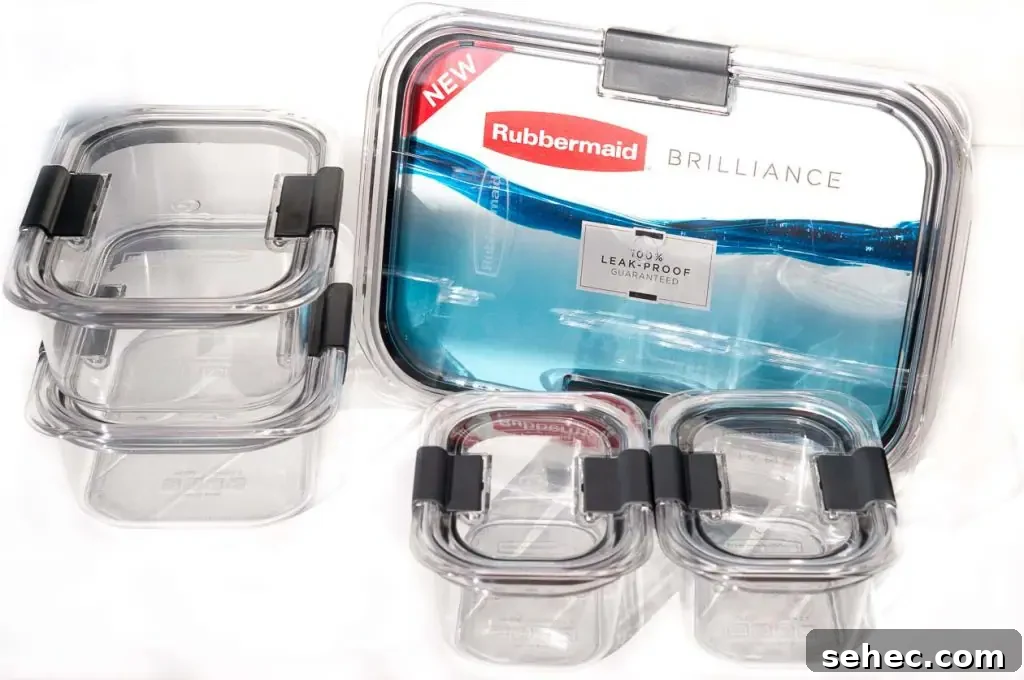
I personally love using the 10-piece Rubbermaid® BRILLIANCE™ line of food storage systems because the containers are practical for everyday meal prep and offer a variety of helpful features. Food storage should make healthy eating easier, not more complicated, and a dependable container can help you move smoothly from cooking to storing to reheating. #OrganizeWithBrilliance
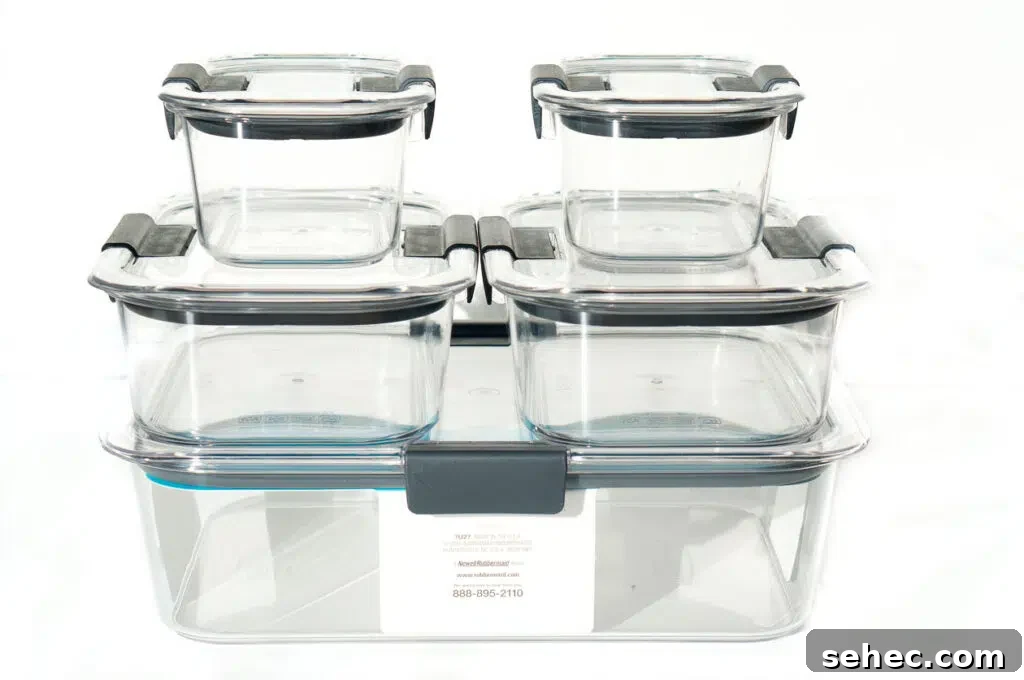
- 100% airtight and leak-proof seal.
- BPA-free design.
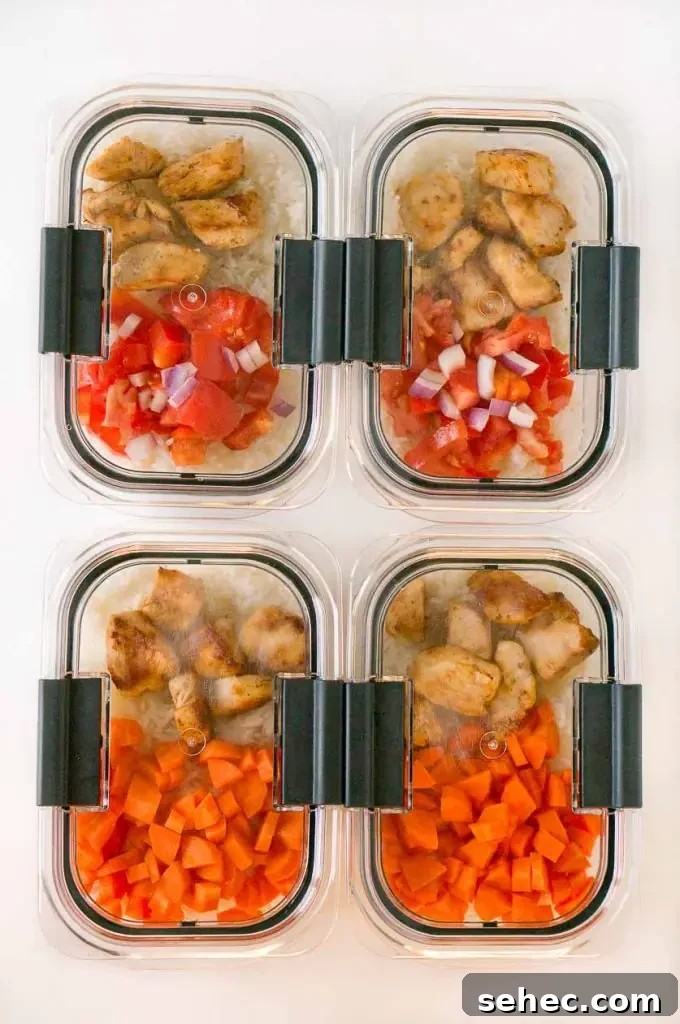
- Airtight and leak-proof lids with two separate latches that lock securely in place.
- Convenient for taking meals to work, school, or on the go.
- Stackable, space-efficient design for better refrigerator organization.
- Splatter-resistant microwaving with innovative vents that allow microwaving with the lid on and latches open.
- Safe to use in the microwave, dishwasher, refrigerator, and freezer.
- High quality material that resists stains and odors.
- Crystal clear design with 360-degree clarity, making it easy to see what is inside.
3. Prep, Portion, and Store Your Meals Wisely
Once you have your meal plan and containers ready, the next step is to prepare food in a way that makes your week easier. Wash and chop vegetables, cook grains, prepare proteins, and portion meals into containers as soon as possible. Having ready-to-eat meals and ingredients in the refrigerator can make healthy choices feel effortless, especially on busy days when you do not have much time to cook.
Portioning meals ahead of time also helps with consistency. You can quickly grab lunch before leaving the house, reheat dinner after work, or pack a balanced meal for the day without searching through the refrigerator. If you prefer variety, keep some ingredients separate so you can mix and match them during the week. This prevents meals from feeling repetitive while still giving you the benefits of meal prep.
To stay organized, place similar meals together and keep older meals toward the front of the refrigerator so they are used first. Clear containers make this much easier because you can immediately see what you have prepared. With a simple plan, reliable storage, and a little time set aside each week, meal planning for healthy eating becomes a realistic habit that can support your goals and make your daily routine much less stressful.
This shop has been compensated by Collective Bias, Inc. and its advertiser. All opinions are mine alone. #OrganizeWithBrilliance #CollectiveBias