
Vitamin B: Benefits, Daily Needs, and the Best Foods to Eat
Getting enough essential vitamins and minerals each day is one of the most important ways to support energy, metabolism, immunity, and overall wellness. Most people can meet their daily nutrient needs through a balanced diet, but in some situations, supplementation may be helpful when food intake is limited or specific needs are higher.
Vitamin B is not just one vitamin. It is a group of water-soluble vitamins often called the vitamin B complex. These nutrients help enzymes in the body work properly, support healthy cells, help break down carbohydrates, fats, and proteins, and assist in moving nutrients throughout the body.
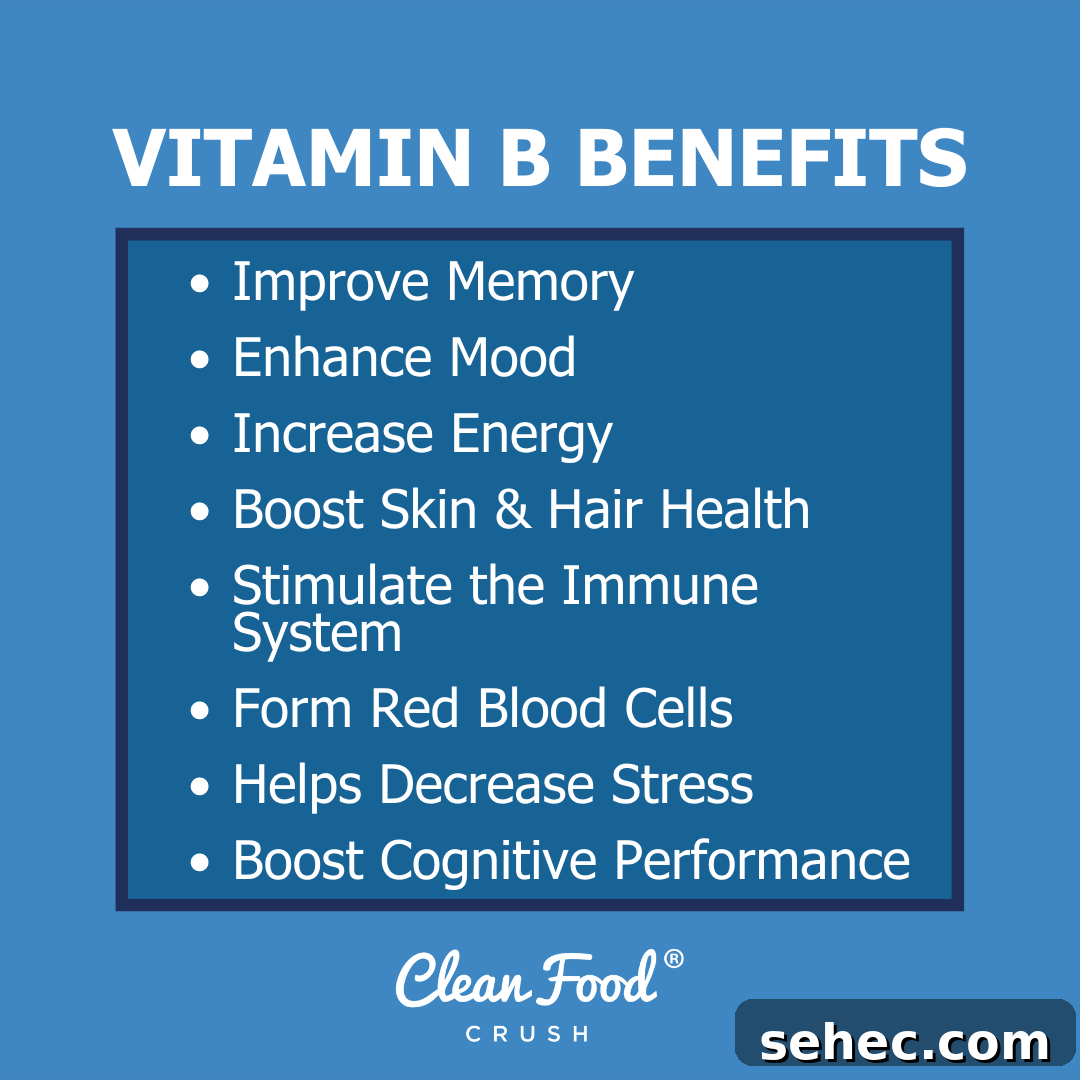
The vitamin B complex may support cell health, red blood cell production, energy levels, vision, digestion, and appetite. B vitamins also play a role in healthy nerve function, hormone production, cholesterol metabolism, cardiovascular health, and muscle tone.
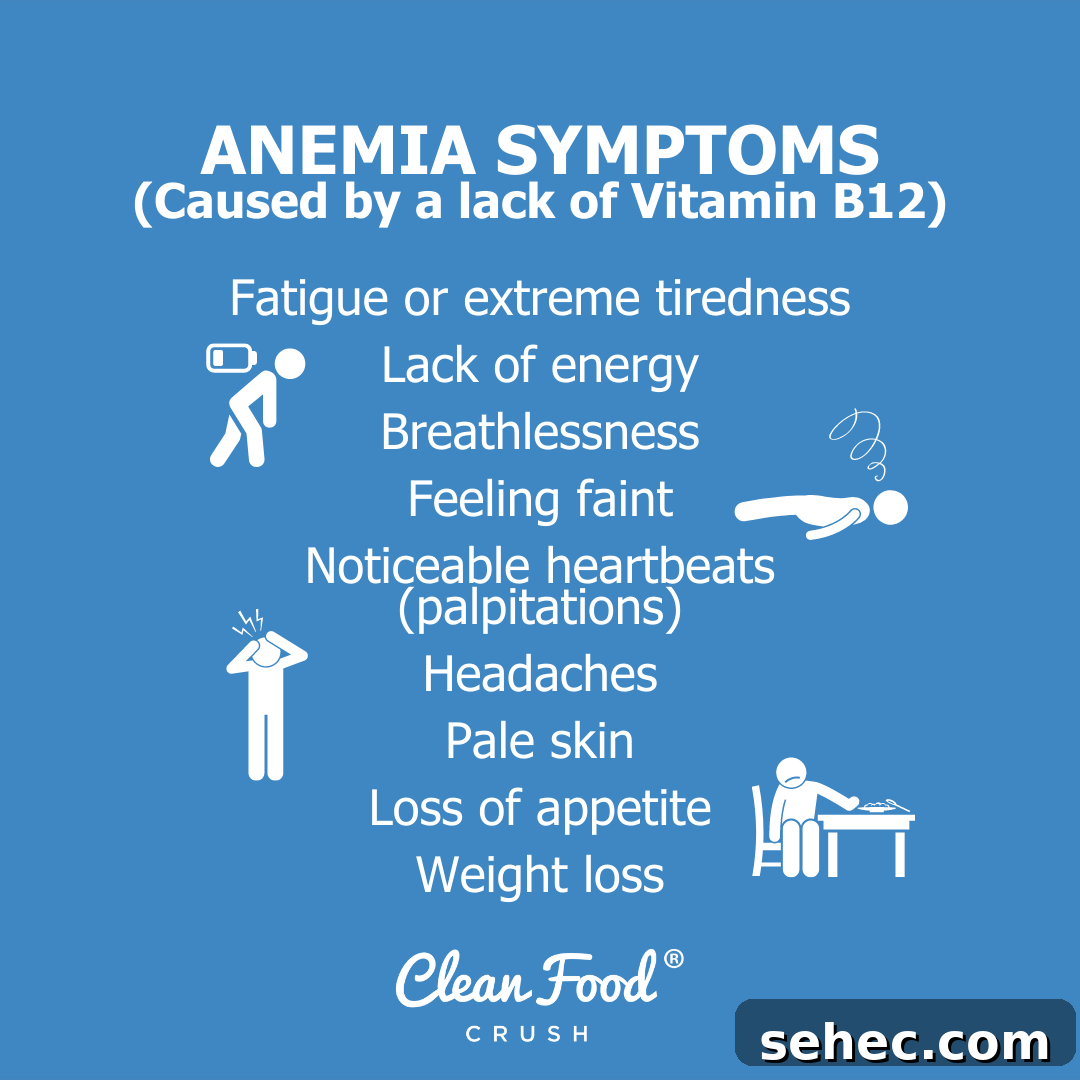
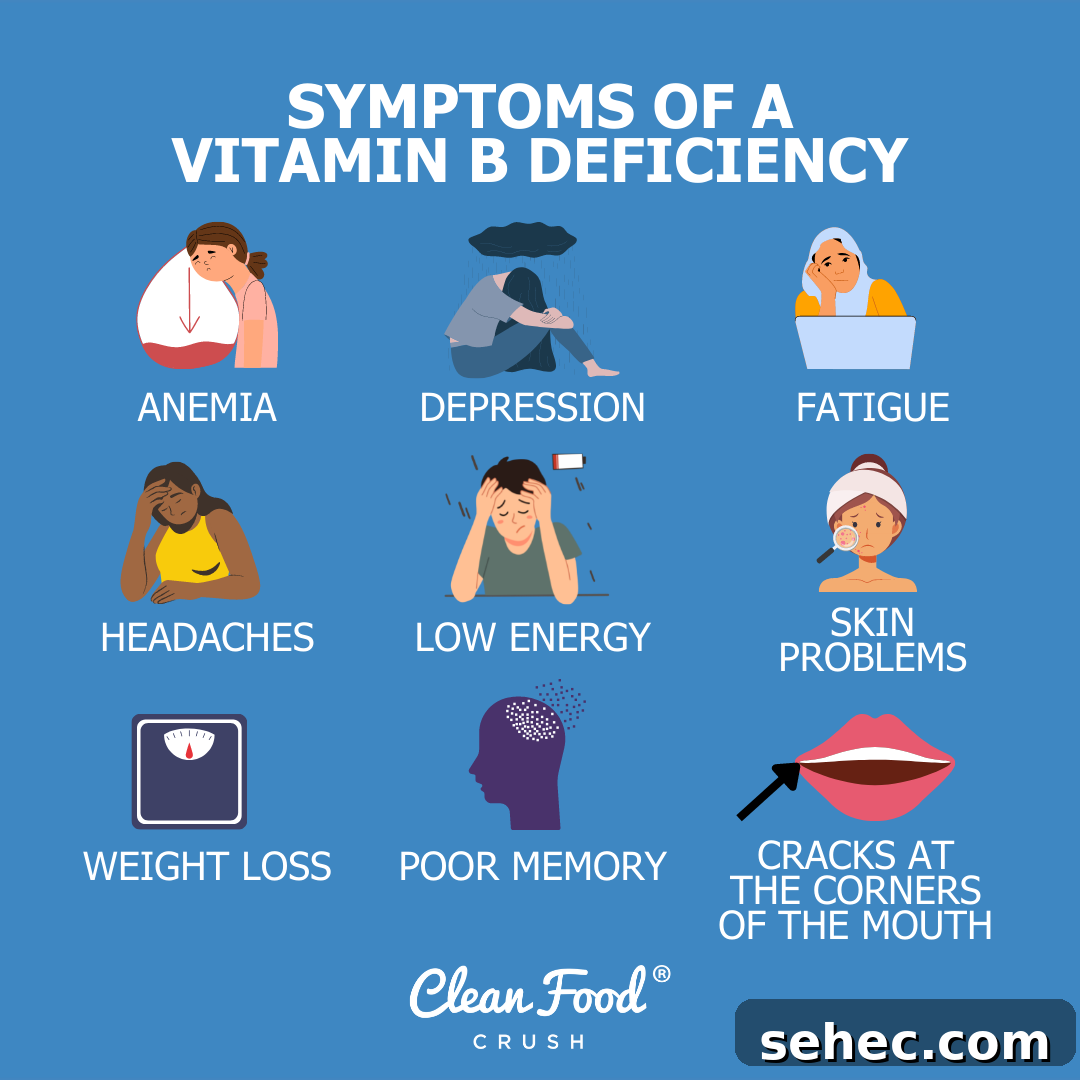
B vitamins are especially important for the brain and nervous system. Adequate intake is necessary for normal physiological and neurological function. Research has explored the role of vitamin B6 in brain health, including its possible connection to Parkinson’s disease risk. Other studies have looked at B vitamins and skin health, including melanoma risk. While no vitamin should be viewed as a cure or guaranteed prevention method, maintaining healthy vitamin B levels is an important part of supporting long-term wellness.
B vitamins are also important during pregnancy and breastfeeding. They support fetal brain development, help the body produce red blood cells, and may help reduce the risk of certain birth defects when consumed in appropriate amounts. Some B vitamins may also help support energy levels and may play a role in managing nausea and lowering the risk of complications such as preeclampsia. Anyone who is pregnant, planning to become pregnant, or breastfeeding should speak with a healthcare professional about the right amount of B vitamins for their needs.
Recommended Daily Intake of B Vitamins
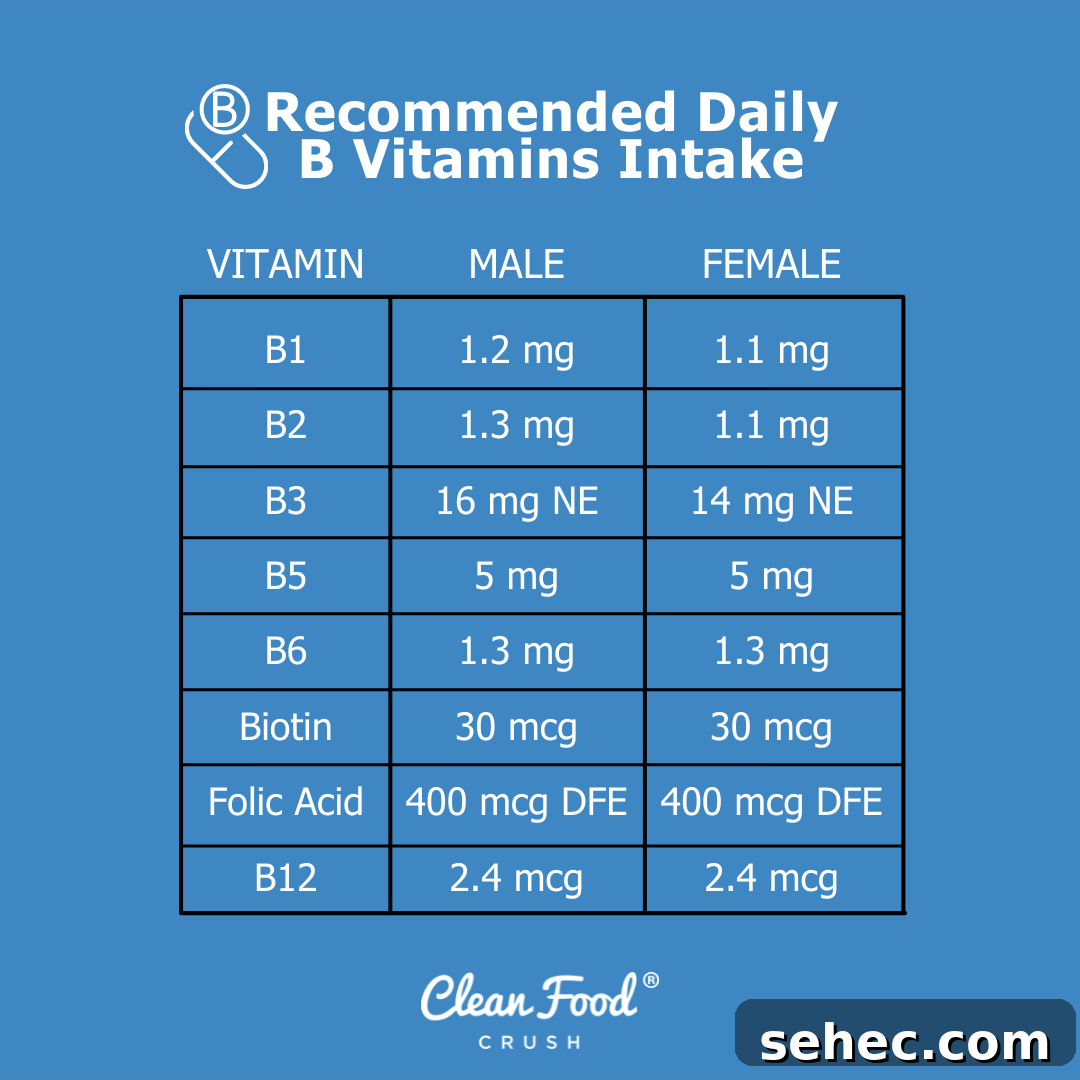
The recommended daily allowance of B complex vitamins varies depending on age, gender, pregnancy, breastfeeding, medical conditions, and overall health. The general recommended daily intakes for adult women and men are listed below.
Women:
B1: 1.1 milligrams (mg)
B2: 1.1 mg
B3: 14 mg NE
B5: 5 mg
B6: 1.3 mg
Biotin: 30 micrograms (mcg)
Folic acid: 400 mcg DFE
B12: 2.4 mcg
Men:
B1: 1.2 mg
B2: 1.3 mg
B3: 16 mg NE
B5: 5 mg
B6: 1.3 mg
Biotin: 30 mcg
Folic acid: 400 mcg DFE
B12: 2.4 mcg
Getting enough vitamin B is important, but taking too much can cause unwanted side effects. High-dose supplementation, especially over long periods, may carry risks. Some research has linked excessive intake of certain B vitamins with health concerns, including an increased risk of lung cancer in specific groups and peripheral neuropathy related to too much vitamin B6. Peripheral neuropathy can cause nerve-related symptoms such as numbness, tingling, weakness, or pain in the arms and legs.
Because B vitamins are often included in multivitamins, energy drinks, fortified foods, and supplements, it is wise to pay attention to how much you consume each day. If you are unsure whether you need a supplement, speak with a qualified healthcare provider.
With a balanced diet, many people can get the B vitamins they need from everyday foods.
Best Foods High in Vitamin B
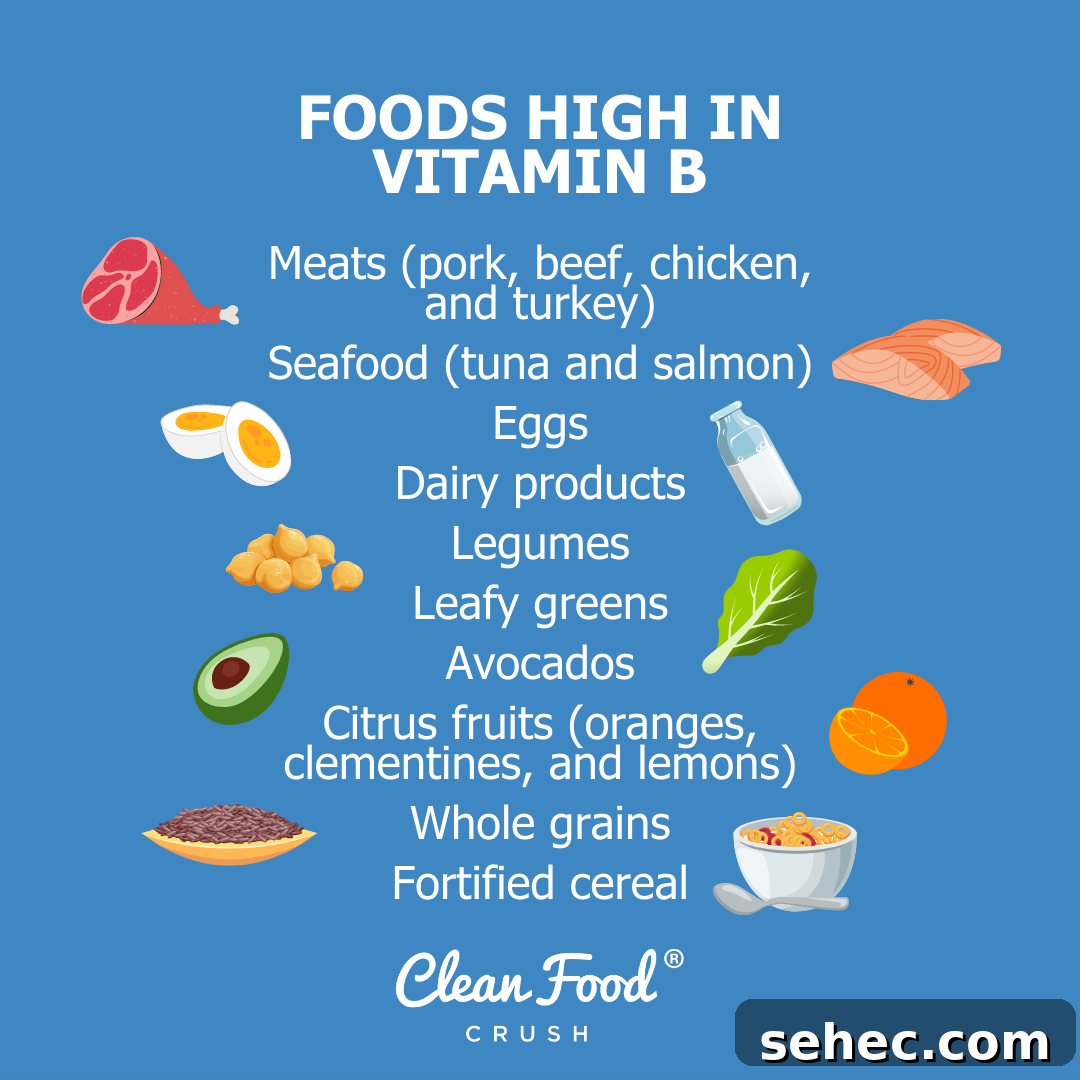
Here are some foods that are naturally rich in B vitamins, along with delicious recipe ideas that include them.
Citrus Fruits
Citrus fruits such as oranges, clementines, and lemons contain several B vitamins. They provide thiamin (B1), riboflavin (B2), niacin (B3), pantothenic acid (B5), pyridoxine (B6), and folate, also known as folic acid or vitamin B9.
Citrus fruits are easy to enjoy in both sweet and savory recipes. For a refreshing treat, try Orange Creamsicle Homemade Ice Cream. It is a bright, flavorful dessert that also adds valuable nutrients to your day. For a quick dinner idea, Easy Orange Chicken Skillet offers a balance of sweetness, tang, and a little kick.
Avocados
Avocados contain nearly 20 vitamins and minerals. One cup of avocado provides about 30% of the daily folate requirement and 23% of vitamin B6 needs. Avocado is creamy, satisfying, and easy to add to breakfast, lunch, or dinner.
One flavorful way to enjoy it is with Taco Stuffed Avocado. This recipe combines healthy fats, protein, and fresh ingredients in a simple meal that feels hearty while still being nutrient-dense.
Meat, Poultry, and Fish
Pork, beef, chicken, turkey, tuna, salmon, and other meats and fish are excellent sources of vitamin B3, vitamin B6, and vitamin B12. They also provide important minerals such as potassium, chromium, iron, selenium, and zinc.
Sweet and Spicy Saucy Orange Salmon is a great option because it includes B vitamins from both salmon and oranges. It can be prepared in under half an hour, making it a practical meal for busy days. Another nutrient-rich option is a Steak and Avocado Salad Bowl, which brings together B vitamins from steak and avocado in one filling dish.
Eggs
Eggs are a convenient source of protein and essential nutrition. Two large eggs provide about 46% of the daily value for vitamin B12 and 39% of the daily value for vitamin B2. They are also versatile, affordable, and easy to prepare in many different ways.
Artichoke Egg Casserole is a helpful breakfast option because it can be assembled at night and baked the next morning. It is warm, satisfying, and ideal for a quick meal that still supports your nutrition goals.
Legumes
Legumes such as beans, lentils, and garbanzo beans are rich in B vitamins. They may also support healthier blood sugar and cholesterol levels as part of a balanced diet. They are filling, budget-friendly, and easy to add to soups, salads, bowls, and snacks.
Roasted BBQ Chickpeas make a crunchy snack and can also be sprinkled over salads for extra texture and flavor.
Whole Grains
Whole grains such as brown rice and barley are also good sources of B vitamins. Choosing whole grains more often can help increase fiber intake while adding important nutrients to your meals.
Herbed Mushroom Brown Rice is a flavorful side dish that adds both nutrition and comfort to the plate.
Spinach
Spinach is packed with several vitamins and minerals, including B vitamins. It is easy to add to smoothies, eggs, soups, salads, and sautés. Even people who do not usually love spinach may enjoy it when it is prepared with bright flavors.
Sautéed Fresh Lemony Spinach is a simple way to make spinach taste fresh, light, and delicious.
Final Thoughts on Vitamin B
Vitamin B supports many important functions in the body, including energy production, brain health, nerve function, red blood cell formation, digestion, and metabolism. The good news is that many nutritious foods contain B vitamins, including citrus fruits, avocados, eggs, fish, meat, legumes, whole grains, and leafy greens.
For most people, eating a variety of whole foods is the best way to meet daily vitamin B needs. Supplements can be useful in certain situations, but they should be taken carefully and in appropriate amounts. Paying attention to both deficiency and excess can help you support your health in a safe and balanced way.
What are your favorite vitamin B-rich recipes? Share your ideas in the comments below.