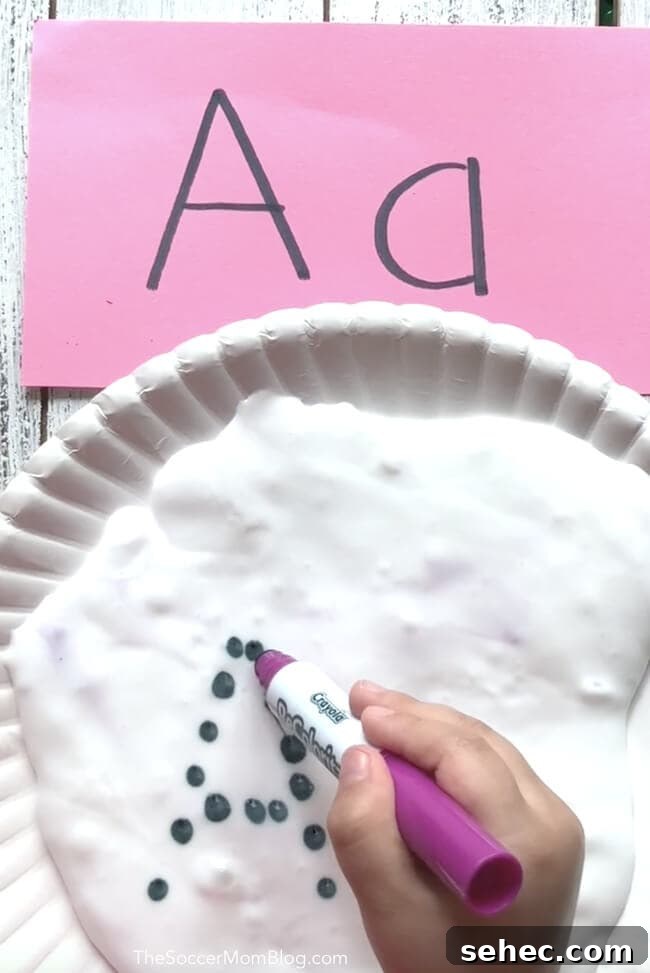
Learning the alphabet can be playful, hands-on, and wonderfully messy. Kids will love tracing letters with slime while building early writing confidence.
Writing Letters with Slime
Slime is always a favorite sensory play activity in our house. It is stretchy, squishy, calming, and fun to manipulate, which makes it especially appealing for young children. My daughters can spend a long time stretching slime, folding it, pressing it flat, and simply enjoying the texture.
Because slime is already something kids enjoy, it can also be a useful tool for home learning. When an activity feels like play, children are often more willing to practice important early skills, such as letter recognition, hand control, and beginning writing movements.
My youngest daughter is three years old and getting ready for Pre-K, so we have been working on recognizing letters and practicing simple writing strokes at home. Instead of using only paper and pencil, I decided to turn her favorite sensory material into a preschool alphabet activity.
For this letter tracing activity, we used a batch of basic white glue slime as our writing surface and washable kids markers as our writing tools. The smooth, light-colored slime works a bit like a soft reusable “paper.” Children can draw on it, trace letters, fold it up to erase, and spread it out again for the next letter.
This simple slime activity is a fun way to practice uppercase letters, lowercase letters, name writing, or even early sight words, depending on your child’s age and ability level.
Supply List
- 1 batch white liquid starch slime
- Paper plate
- Washable markers
- Alphabet flash cards
How to Practice Tracing Letters with Slime
Begin by preparing a batch of simple white liquid starch slime. A white or very light-colored slime works best because marker lines are easier to see on the surface. Once the slime is ready, knead it until it is smooth, stretchy, and easy for little hands to press flat.

TIP: If the slime sticks to hands, add a little more liquid starch, about one tablespoon at a time, and continue kneading until the slime is no longer sticky.
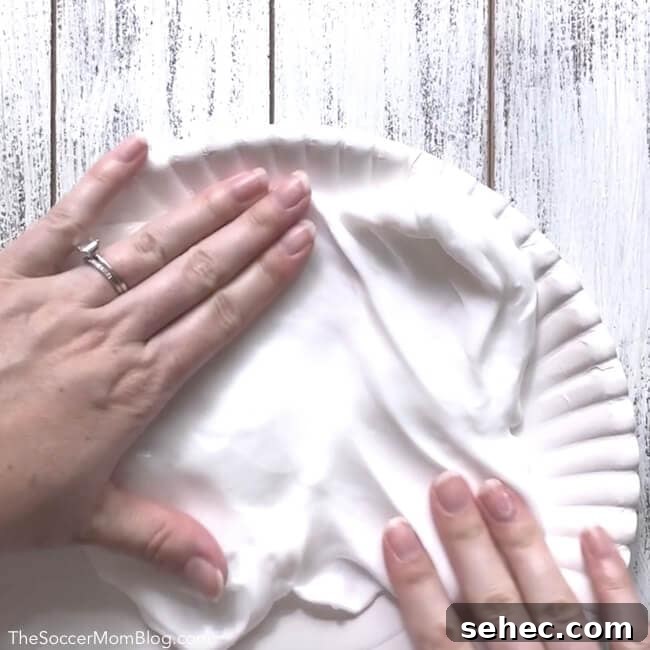
Place a handful of slime on a paper plate. Have your child press, pat, and stretch the slime until it forms a smooth, flat surface. This part of the activity is excellent for sensory play and fine motor practice before the writing even begins.
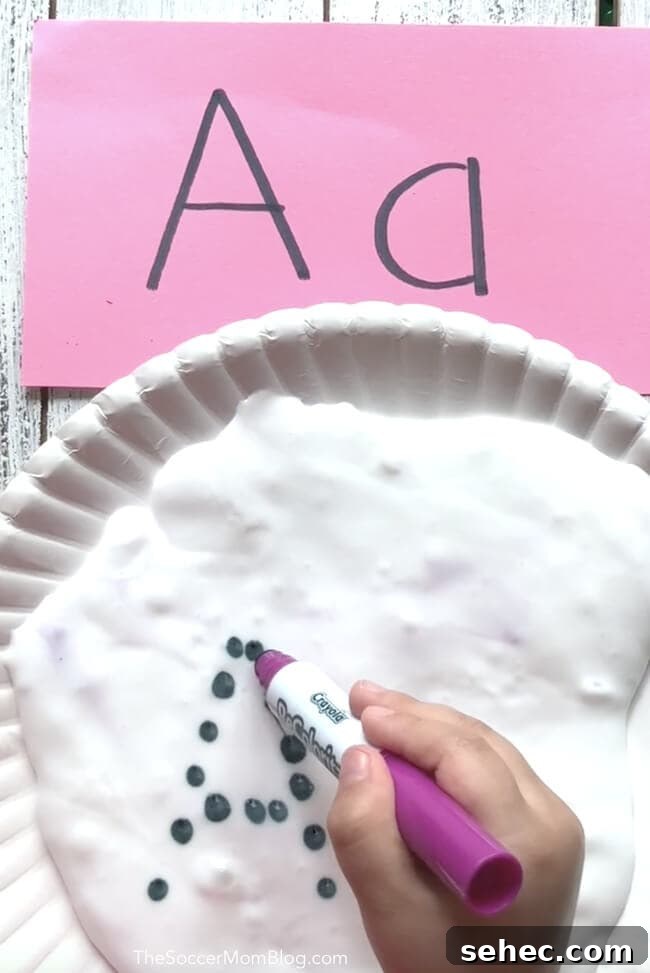
Since my daughter is still very young and just beginning to learn how letters are formed, I started by making dotted letter outlines directly on the slime. The dots created a simple template for her to follow. She could then connect the dots with a marker, just like a traditional tracing worksheet, but with a much more exciting surface.
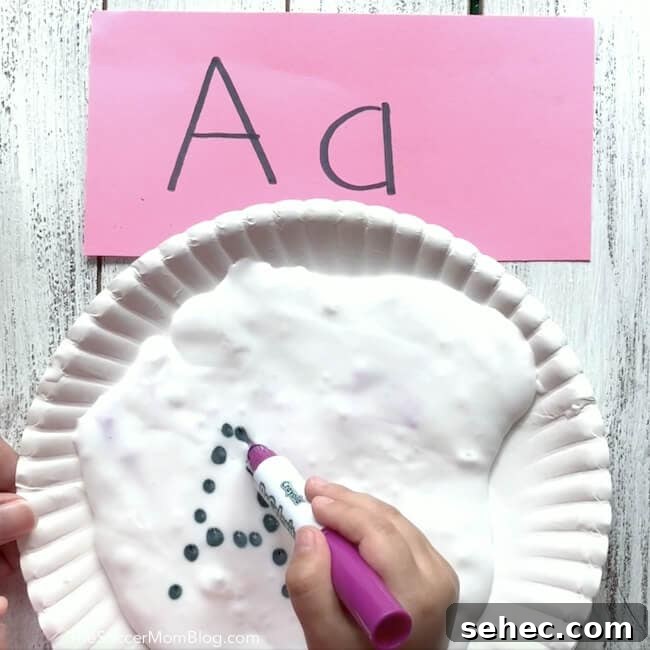
For younger preschoolers, start with one letter at a time. You can begin with the letters in your child’s name, common uppercase letters, or letters they already recognize. Say the letter out loud, talk about the sound it makes, and encourage your child to trace slowly from top to bottom or left to right when appropriate.
Older children may not need dotted lines. They can look at alphabet flash cards and copy each letter onto the blank slime surface. This turns the activity into a fun alphabet practice game and helps children connect the printed letter on the card with the movement of writing it by hand.
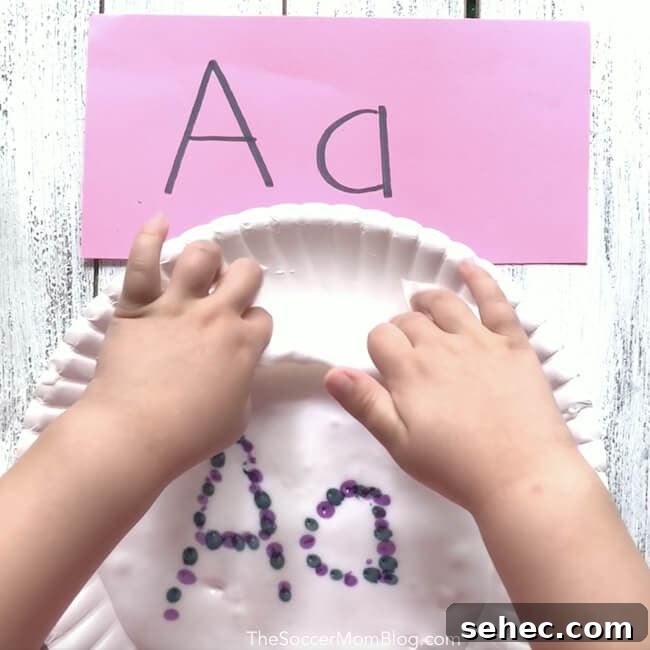
When it is time to practice a new letter, simply fold the slime over itself to mix in the marker marks. Then press it flat again on the plate. The writing will disappear enough for children to keep practicing without needing a new sheet of paper each time.
After several rounds of writing, the slime may begin to take on a soft pastel or tie-dye color from the markers. That is part of the fun. As long as the slime is still easy to handle and the letters are visible, children can continue practicing.
This activity is especially helpful for children who enjoy tactile learning. They get to feel the slime, watch the letters appear, move their hands in a controlled way, and repeat the process as many times as they like. It is simple, low-prep, and engaging for preschool alphabet practice at home.
Learn to Master Slime
There are a few basic slime recipes that can be used as the foundation for many different slime activities. The white liquid starch slime used in this alphabet tracing activity is one simple option because it spreads easily and creates a bright surface for marker writing.
Once you become comfortable making a basic slime recipe, you can use it for sensory bins, themed play, color mixing, fine motor activities, and more hands-on learning ideas. For this activity, keep the slime plain and light in color so the letters remain easy for kids to see.

Slime Safety Tips
Slime can be a wonderful sensory experience for kids, but it should always be used safely. Follow basic slime safety recommendations every time children make or play with slime.
- Always supervise children during slime play and slime-making activities.
- This slime is not taste-safe and should not be placed in the mouth.
- Many slime recipes involve a chemical reaction, and some ingredients may irritate sensitive skin.
- Wash hands thoroughly after playing with slime.
- Stop the activity if your child shows any signs of skin irritation or discomfort.
If you prefer glue-free options, choose a slime recipe that is specifically designed without glue or borax and follow all safety instructions carefully.
Can’t Get Enough Slime?
If your children enjoy sensory play, slime can be used in many creative ways beyond simple stretching and squishing. You can turn slime into a learning tool for letter recognition, number practice, color exploration, and fine motor development.
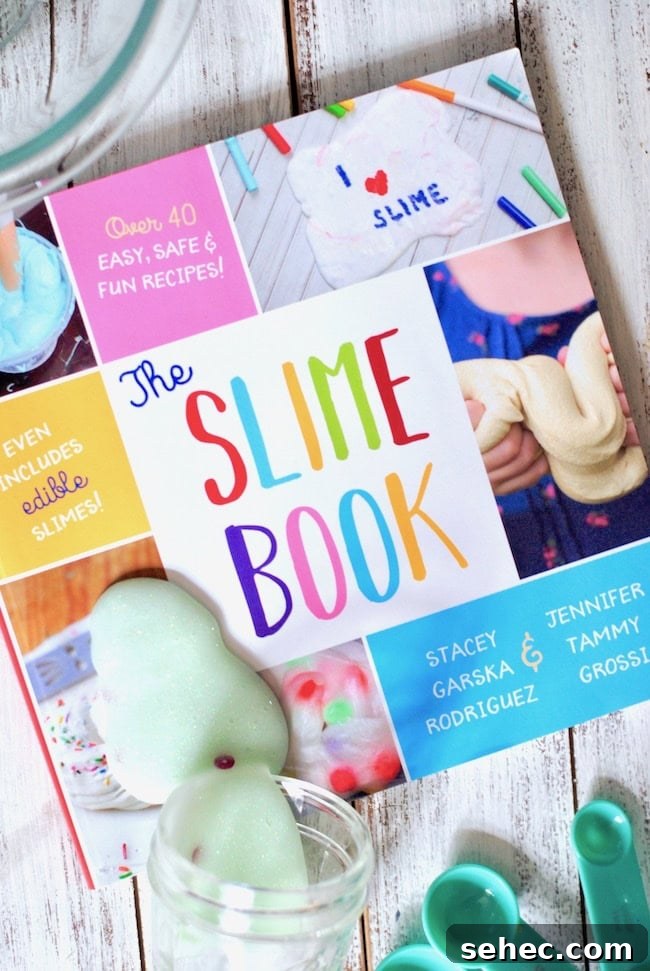
From seasonal slime ideas to glow-in-the-dark slime and other creative variations, there are many ways to keep sensory play fresh and exciting. For alphabet learning, however, a simple white slime recipe is one of the easiest choices because it gives children a clear surface for tracing and writing.
More of our Favorite Slime Recipes
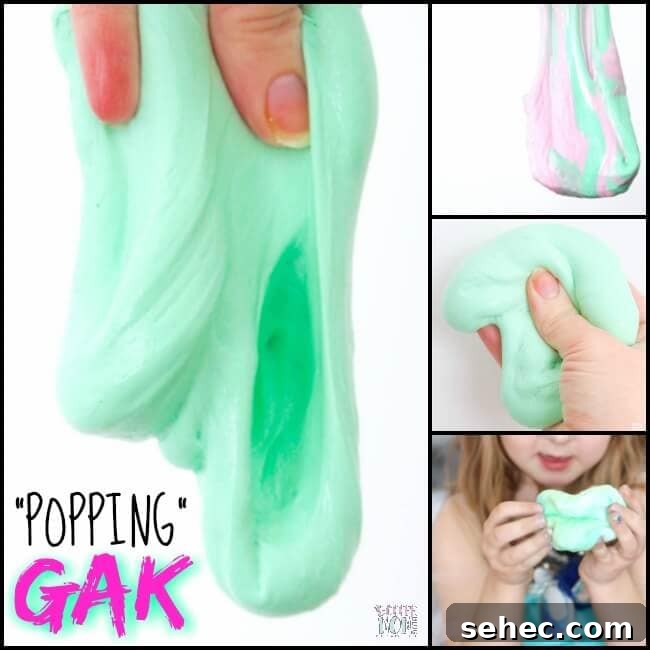
Nickelodeon Gak Slime Copycat Recipe
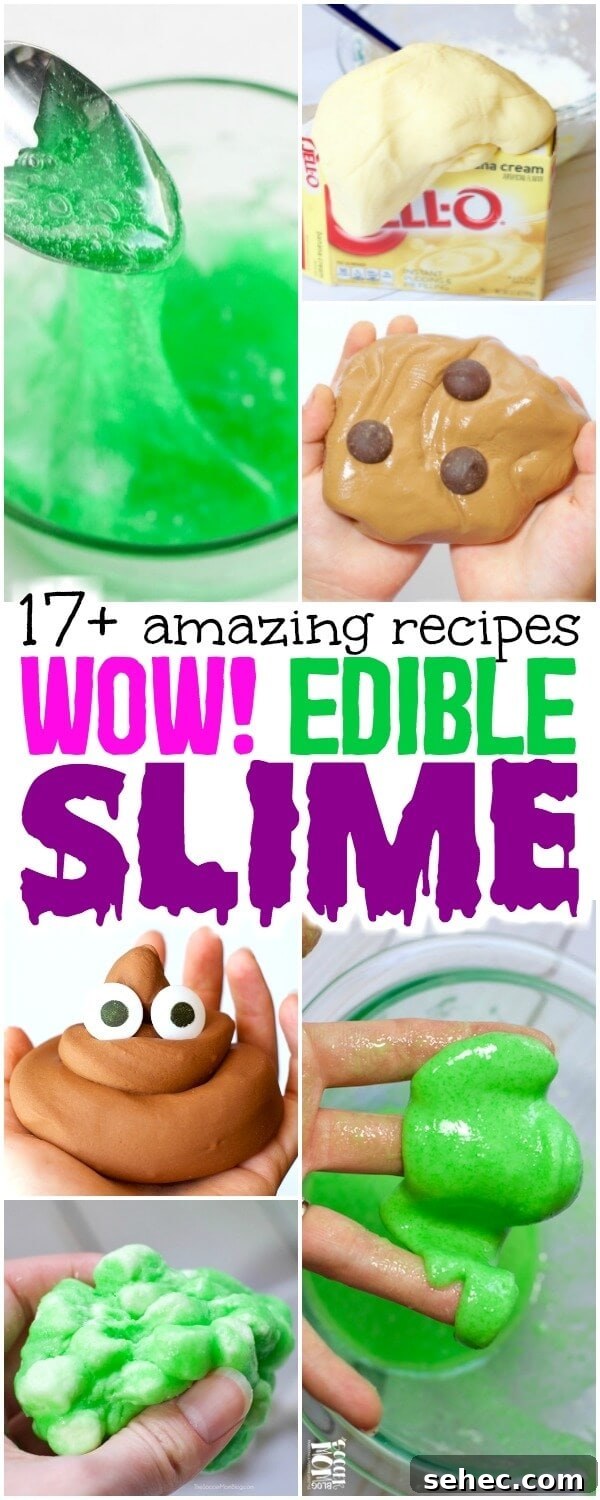
Edible slime recipes made with simple kitchen ingredients