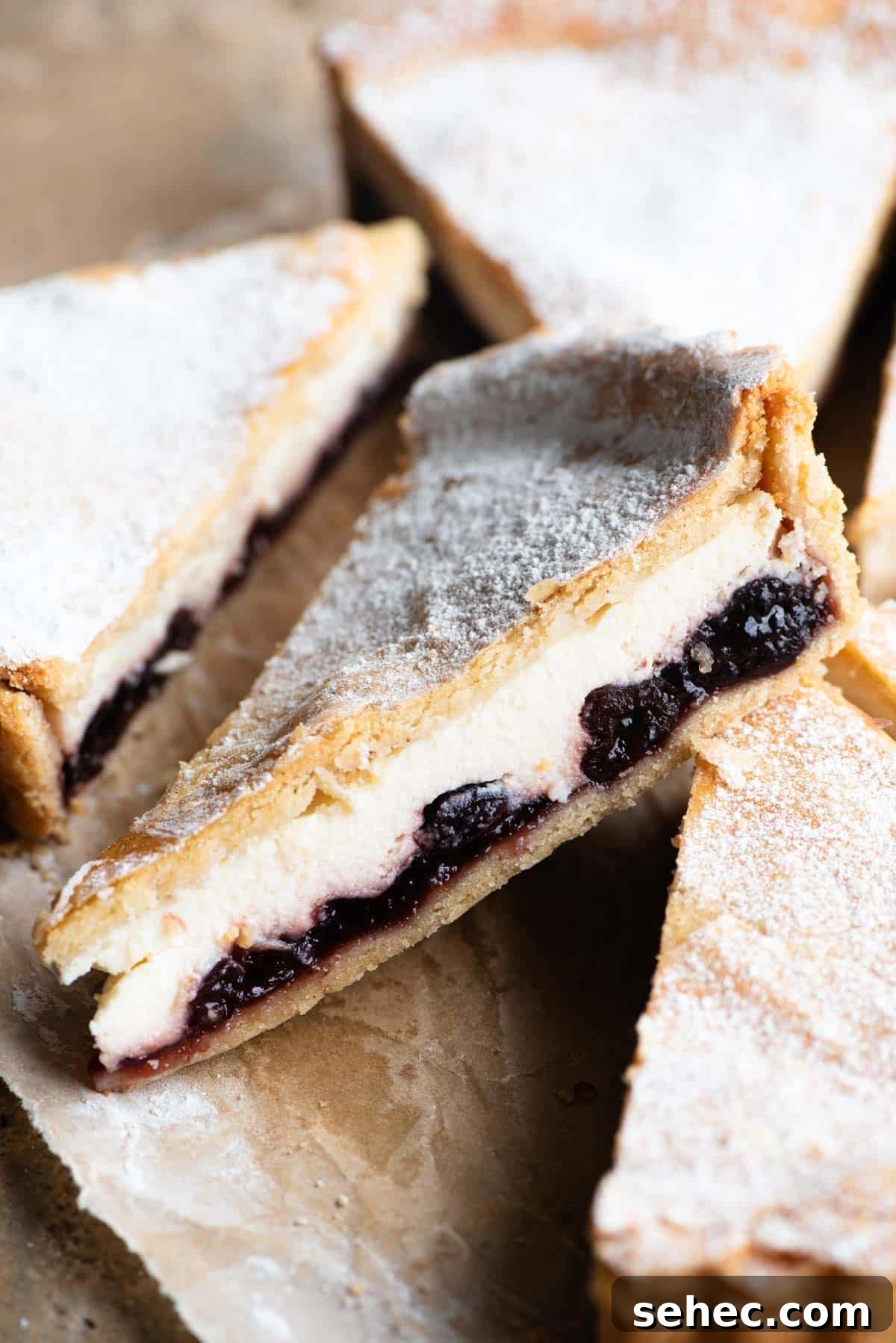
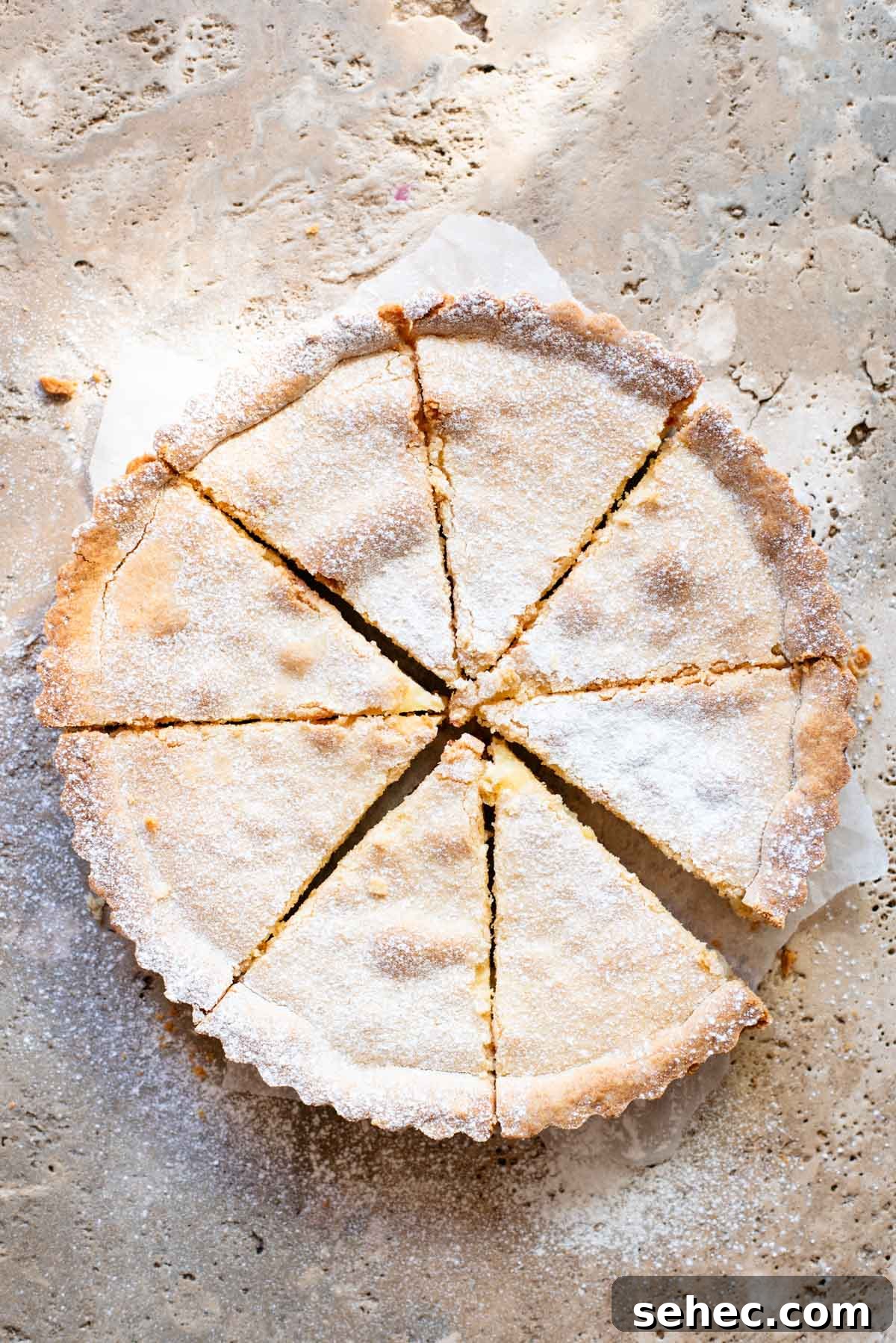
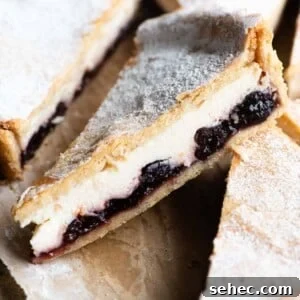
Crostata Ricotta e Visciole is a traditional Roman tart built on a buttery pasta frolla (sweet shortcrust pastry) and filled with a smooth ricotta mixture and sour cherry jam. Simple to make yet elegant in flavour, this crostata works beautifully at breakfast with a cappuccino or as a light dessert after dinner.
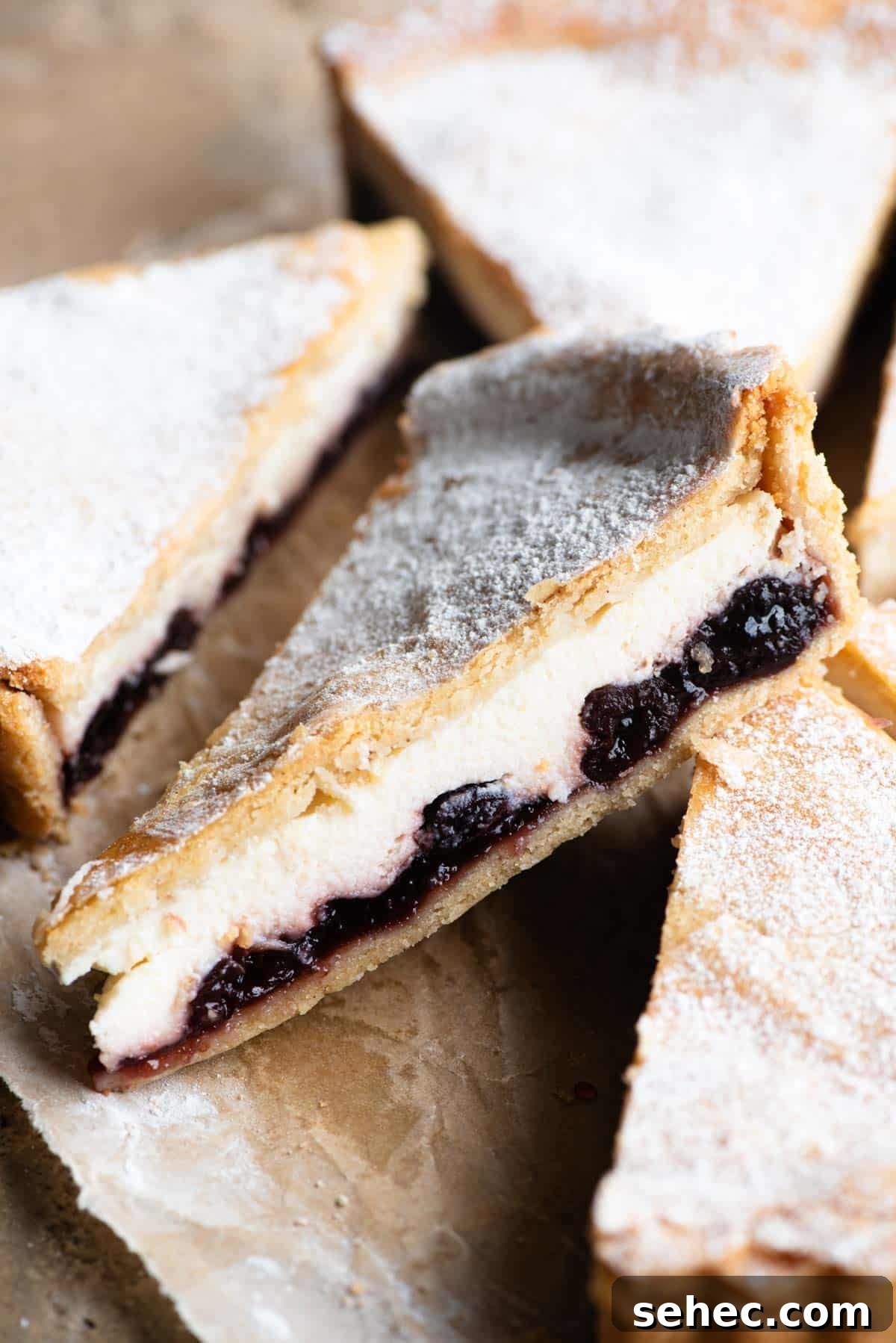
The crostata ricotta e visciole is one of Rome’s most iconic desserts, with roots reaching back to the 1800s in the Jewish Ghetto. A single historic bakery is often credited with the original version, and its exact recipe remains a closely guarded secret.
The base is a classic pasta frolla — a rich, crumbly pastry. In modern kitchens it’s common to add a little lemon zest and a pinch of cinnamon to the dough; these enhance the aroma without overpowering the simple flavours. Visciole are wild sour cherries, and their preserve gives the tart its distinctive tang. If you can’t find visciole jam, a jar of sour cherry preserves or even a good-quality sweet cherry jam will work well and still produce a delicious crostata.
I often slice a piece for breakfast or enjoy it as a modest dessert. It’s not overly sweet and has a lovely balance between the buttery pastry, creamy ricotta and bright cherry filling.
Table of Contents
- Ingredient notes
- Visual walk-through of the recipe
- Recipe tips and variations
- More Italian crostata recipes to try
- Full Recipe
Ingredient notes
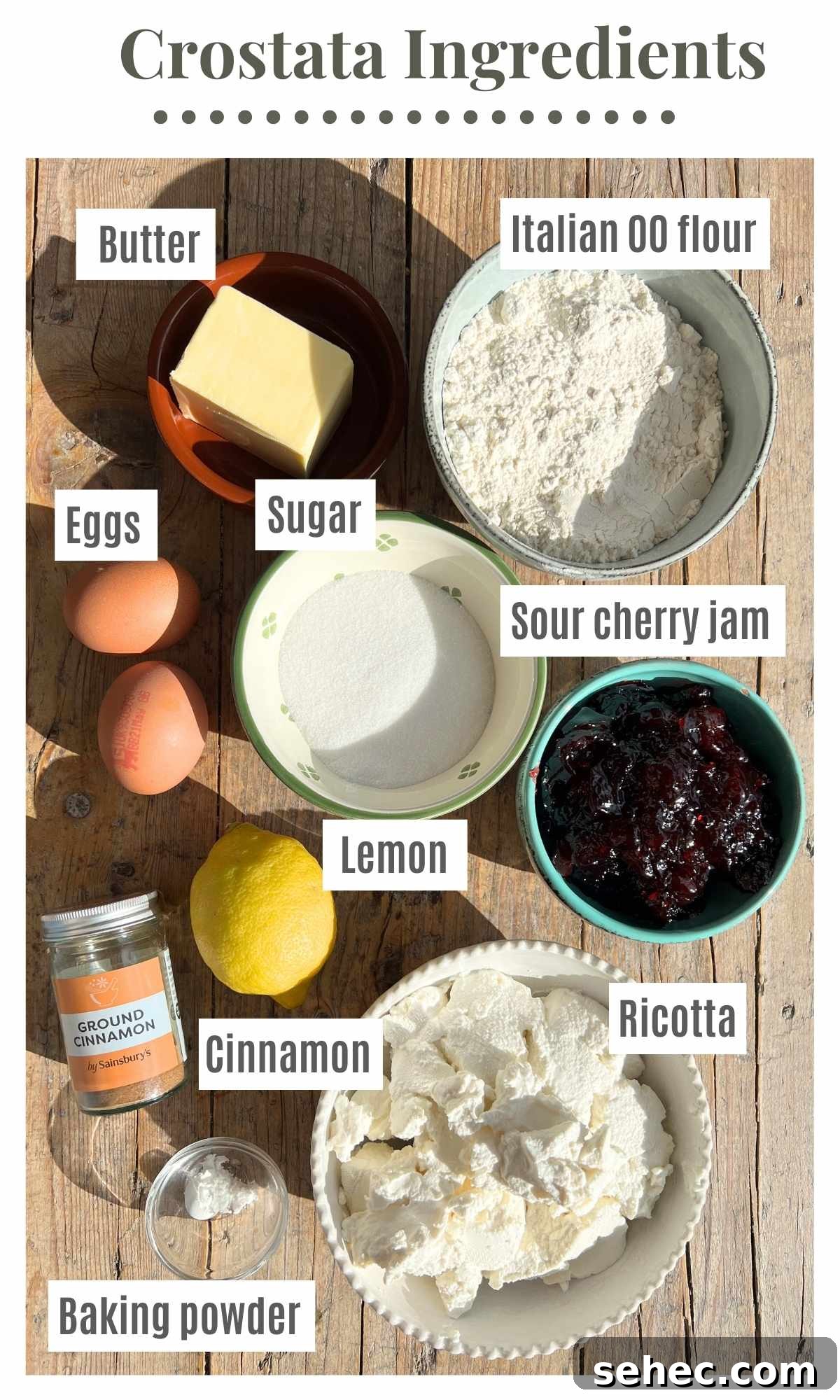
- Pasta frolla – a simple sweet shortcrust pastry is used here. A teaspoon of lemon zest and a pinch of cinnamon are optional but recommended for a subtle lift.
- Ricotta – traditional recipes often call for sheep’s ricotta, but whole-milk cow’s ricotta works well and is easier to find. Be sure to drain the ricotta thoroughly before using so the filling is creamy, not watery.
- Cherry jam – visciole (sour cherry) jam gives the most authentic flavour. If you can’t source it, any good-quality cherry jam—sour or sweet—will still make a very tasty tart.
Visual walk-through of the recipe
Step 1 – Combine the pasta frolla ingredients in a food processor and pulse until a coarse dough forms. Turn the dough out and knead briefly into a smooth ball. Flatten into a disc, wrap and chill in the refrigerator for at least 1 hour.
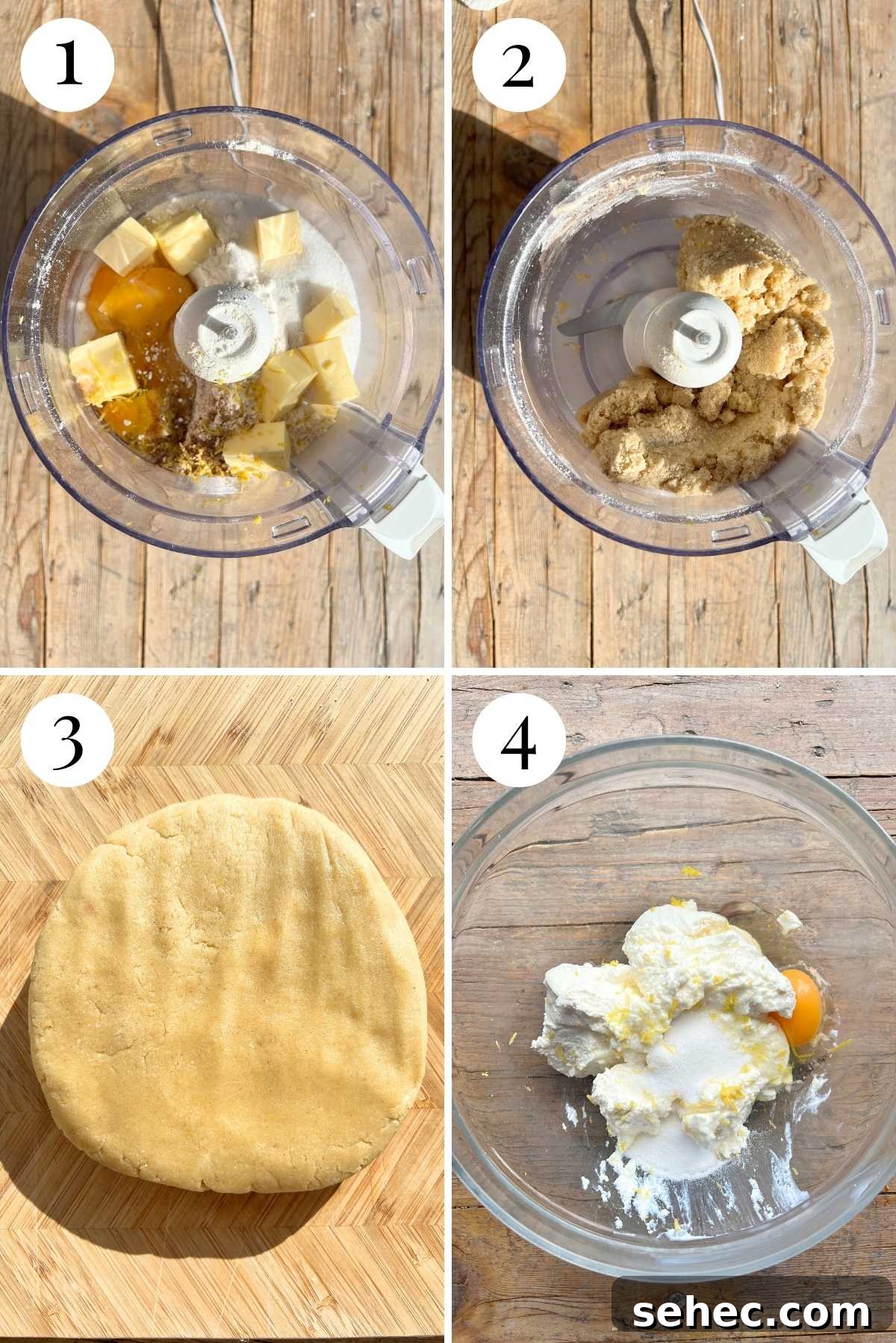
Step 2 – For the ricotta filling, whisk drained ricotta with the sugar, an egg and lemon zest until smooth and creamy, then set aside.
Step 3 – Reserve a little more than half the dough for the base. Lightly flour your work surface and rolling pin and roll the dough to about 1/4 inch (1/2 cm) thick. If the pastry cracks, briefly knead to bring it together and roll again.
Step 4 – Drape the pastry over a tart tin and gently press it into the sides. Trim the excess by rolling the pin across the top.
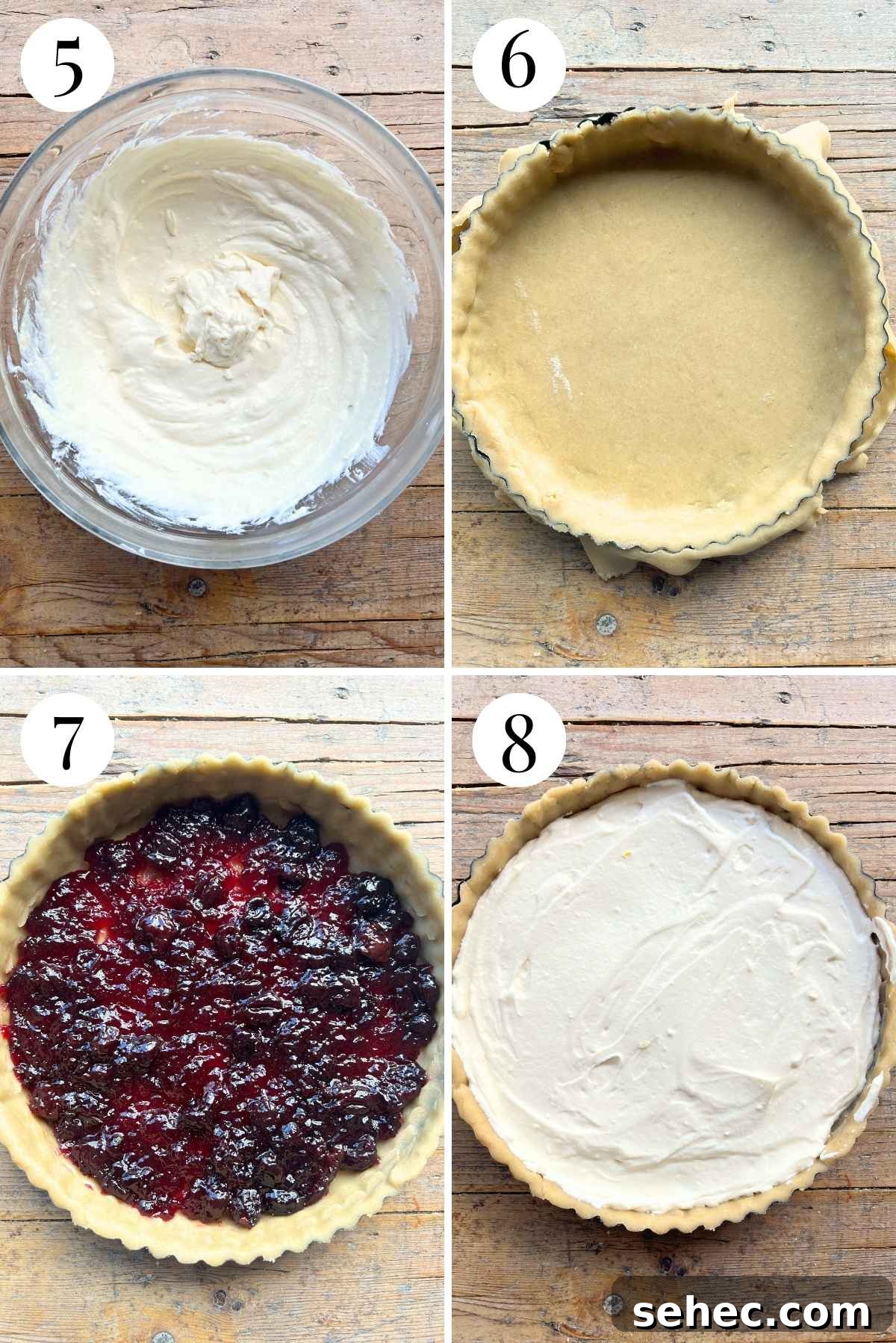
Step 5 – Spread the cherry jam evenly over the pastry base. Spoon the ricotta mixture on top and spread it into a smooth layer.
Recipe tips and variations
- Drain the ricotta – For best texture drain the ricotta in the fridge overnight, or at least 1–2 hours before assembling.
- Chill before baking – After assembling, chill the tart for 30 minutes so the butter in the pastry firms up; this helps the pastry keep its shape while baking.
- Jam alternatives – If visciole isn’t available, use sour cherry, black cherry or another fruit jam you enjoy. Apricot or mixed berry will also work if you prefer.
If the pastry cracks while rolling, patch it together—any joins are hard to notice after baking. Alternatively, gather the dough back into a ball, knead for a few seconds to warm it slightly, then roll it out again. A light dusting of flour helps prevent sticking.
More Italian crostata recipes to try
Italian Desserts
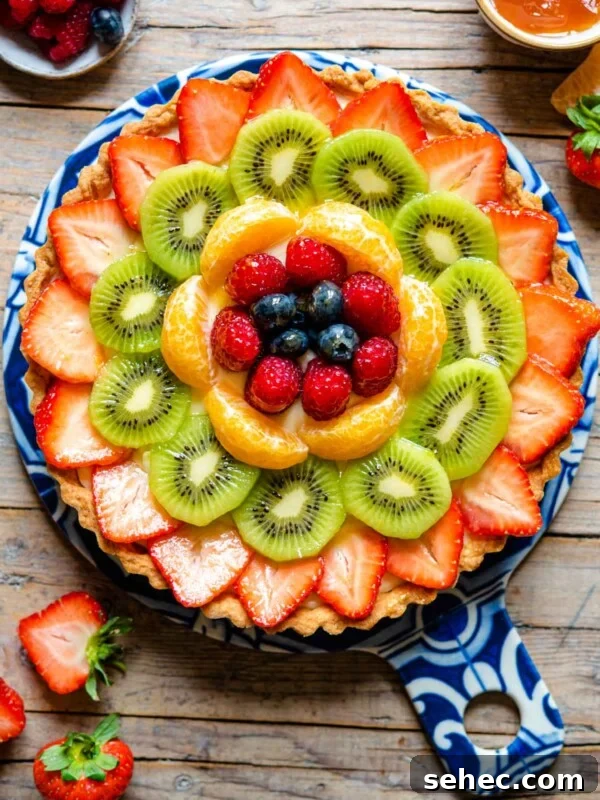
Crostata di Frutta (Italian Fruit Tart)
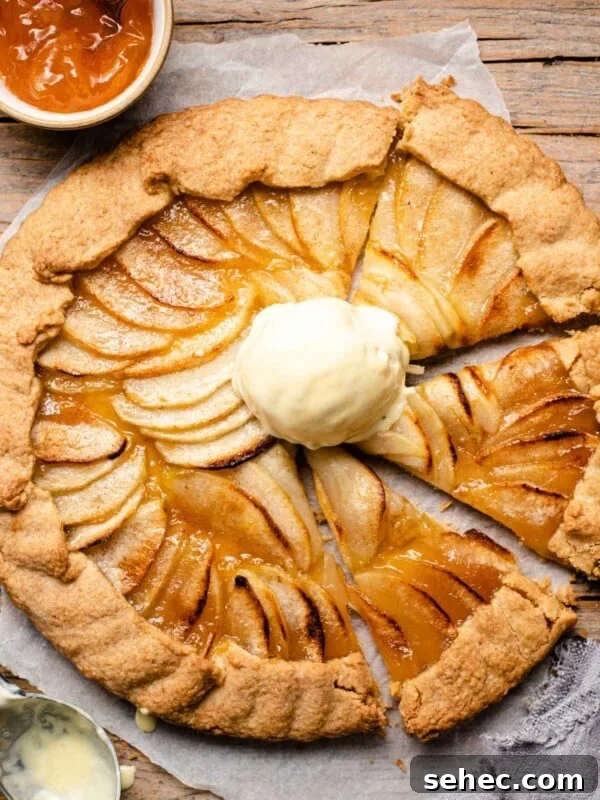
Italian Desserts
Apple Crostata with Apricot Jam
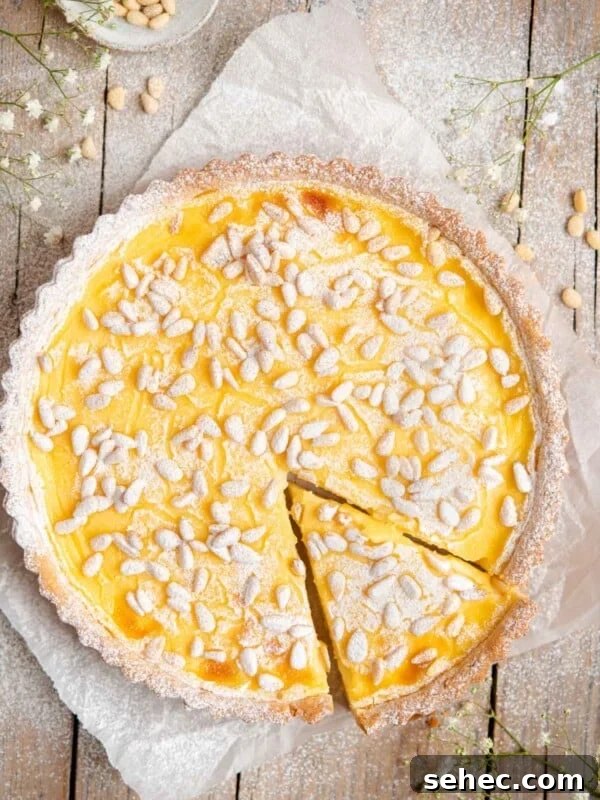
Italian Desserts
Torta della Nonna: Italian Custard Tart
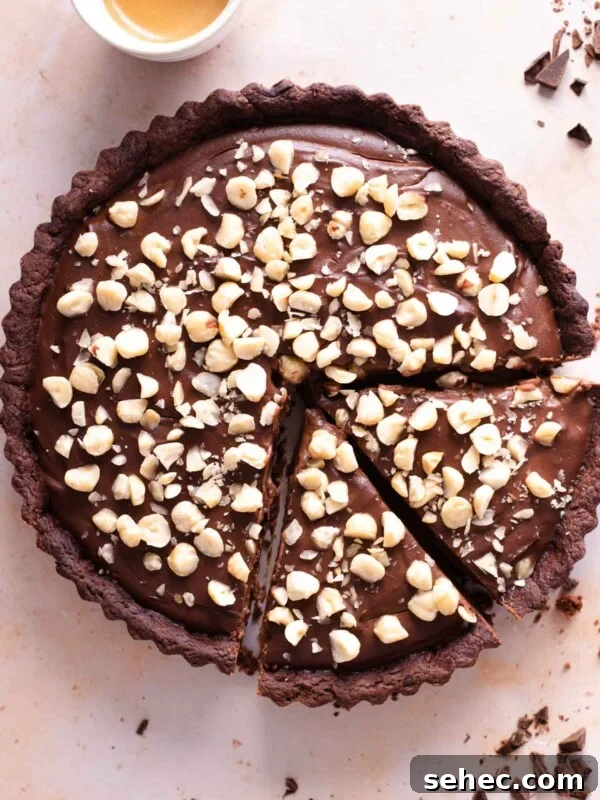
Italian Desserts
Rich Chocolate Tart with Hazelnuts
If you make this Crostata Ricotta e Visciole, please leave a rating or comment below to share how it turned out. Feedback helps refine recipes and inspires others to try them.
Step By Step Photos Above
Step-by-step photos and tips are included in the post to guide you through the process and help achieve reliable results.
Crostata Ricotta e Visciole
By Emily
Equipment
-
Food processor
-
Rolling pin
-
9 inch loose-bottom non-stick tart pan
Ingredients
For the pasta frolla
- 250 g (2 cups) Italian 00 or all-purpose flour
- 80 g (1/2 cup) sugar
- 1 large egg
- 120 g (8.5 tbsp) cold butter, cubed
- ¼ teaspoon baking powder
- ¼ teaspoon cinnamon (optional)
- Zest of half a lemon
- 1 pinch salt
For the filling
- 500 g (2 cups) ricotta (well drained)
- 2 tablespoons sugar
- Zest of half a lemon
- 340 g (1 cup) cherry jam (preferably sour)
- 1 large egg
Topping
- 1 beaten egg, for brushing
- powdered sugar, for dusting
Instructions
-
Put all pasta frolla ingredients into a food processor and pulse until a coarse dough forms. Turn out onto a surface and knead briefly into a smooth ball. Flatten into a disc, wrap and chill for 1 hour (or up to 1–2 days in advance).
-
Combine the drained ricotta with the egg, sugar and lemon zest in a bowl and whisk until smooth and creamy. Set aside.
-
Remove the pastry from the fridge and cut slightly more than half for the base.
-
Lightly flour the surface and rolling pin. Roll the dough to about 1/4 inch (1/2 cm) thick and large enough to fit the tart tin. If the pastry cracks, knead briefly to warm it and roll again.
-
Lift the pastry with the rolling pin and drape it over the tart tin. Tuck it into the sides and roll the pin across the top to trim the excess.
-
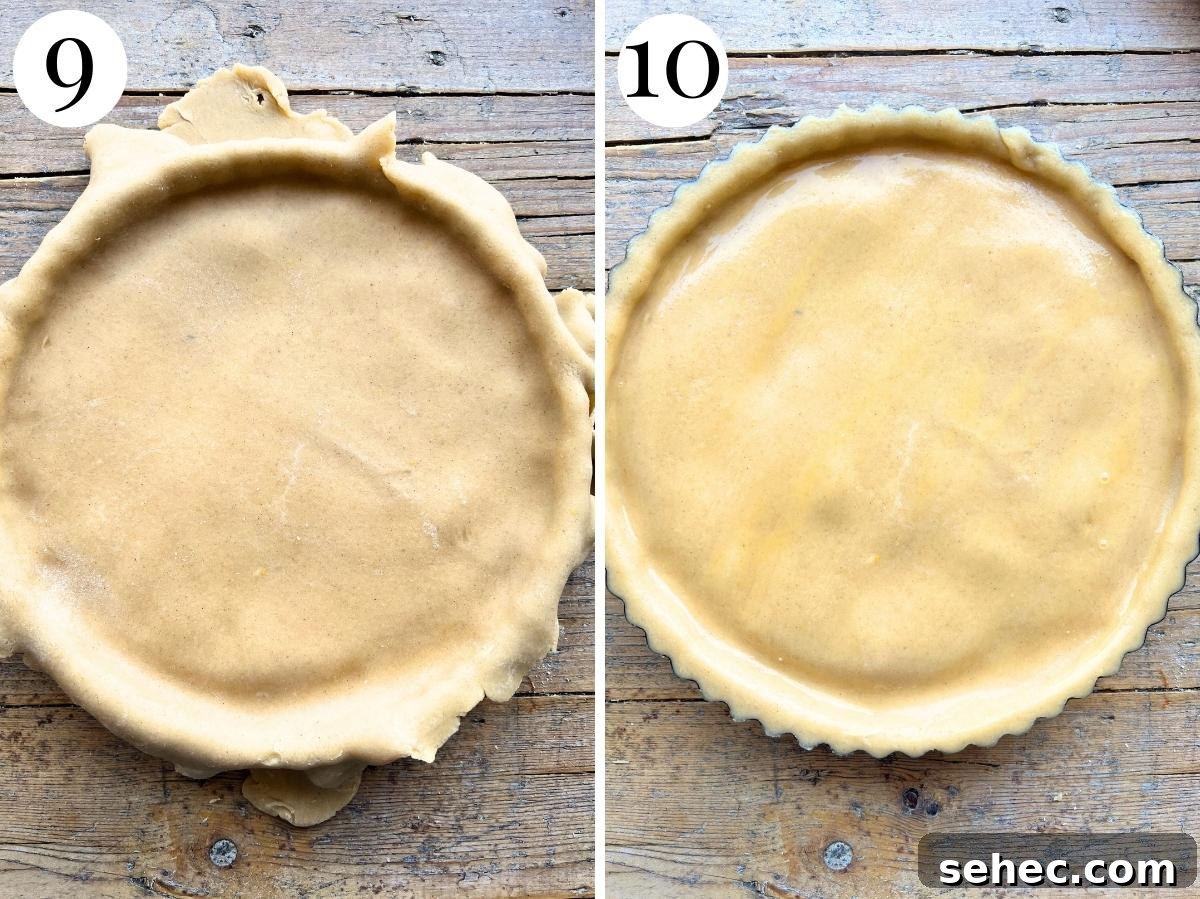
Spread cherry jam over the base, then dollop and spread the ricotta mixture into an even layer.
-
Roll out the remaining dough and place it over the tart to cover. Roll the pin once across the top to seal the edges, then chill the assembled crostata in the fridge for 30 minutes.
-
Preheat the oven to 180°C (350°F).
-
Brush the top with beaten egg and bake for 45–50 minutes, until golden and set. Allow to cool completely before slicing. Dust with powdered sugar if desired.
Notes
- Prep ahead – The assembled crostata can be kept in the fridge for up to 24 hours before baking. Any longer and the pastry may become soggy from the filling.
- Storage – Store leftovers in the refrigerator for 4–5 days. Bring slices to room temperature before serving for best texture.
Helpful Info for All Recipes
- Recipes are tested and developed using a fan (convection) oven unless stated otherwise.
- Vegetable sizes are assumed to be medium unless noted.
- Nutrition values are automatically calculated and should be used as an approximation.
Nutrition
Nutrition information is automatically calculated, so should only be used as an approximation.