Raised Bed Gardening 101
Raised bed gardening has become a popular choice for home gardeners, and for good reason. Whether you have a large backyard, a small patio, poor native soil, or simply want a garden that is easier to manage, raised garden beds can be a practical and attractive solution. Instead of planting directly into the ground, you grow vegetables, herbs, flowers, and other plants in a contained bed filled with quality soil. This gives you more control over growing conditions and can make the entire gardening process simpler from the very beginning.
If you are planning a garden this season, raised beds are worth considering. They are especially helpful for beginners because they create a defined growing space, reduce some common garden problems, and make planting, watering, and harvesting more convenient. This raised bed gardening guide will walk you through the basics so you can decide whether a raised garden bed is right for your space and how to get started with confidence.
So what is a raised gardening bed?
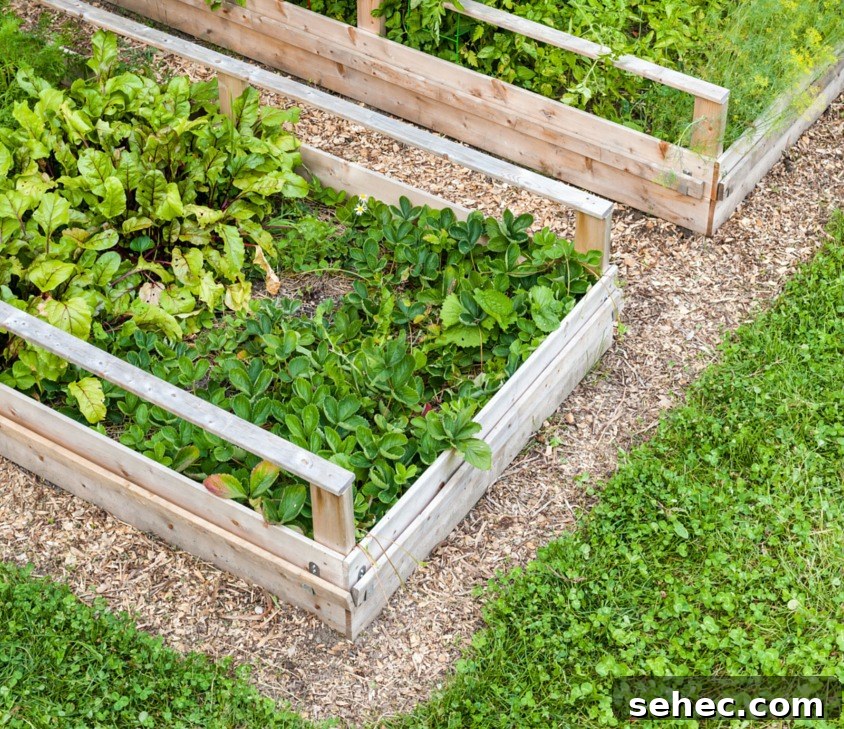
A raised gardening bed is a planting area built above ground level. It is usually framed with wood, although other sturdy materials may be used. The frame is filled with soil, compost, and other growing materials, and plants grow inside the bed rather than directly in the existing ground. Raised beds can be built in many sizes, from small herb boxes to large vegetable garden layouts. The goal is to create a contained, easy-to-maintain growing area with healthy soil and good drainage.
What are the benefits of a raised gardening bed?
One of the biggest advantages of raised bed gardening is improved control over soil quality. If your yard has heavy clay, sandy soil, compacted ground, or poor drainage, a raised bed allows you to fill the space with a better growing mix. This can help plants establish strong roots and grow more consistently. Raised beds may also warm up faster in spring, which can be helpful if you live in a cooler climate and want to begin planting earlier in the season. In warmer areas, they can still be useful because the soil is loose, well-drained, and easier to work with.
Here are some other reasons people love raised garden beds:
1. They can be built in a size that fits your space, whether you have a large yard or only a small corner available.
2. They can be made taller or placed on legs, making them easier to reach without constant bending or kneeling.
3. They are a good option if your existing soil is not ideal for growing vegetables, herbs, or flowers.
4. They make gardening possible in compact spaces, including patios, side yards, and small backyards.
5. They are easier to access for planting, weeding, watering, and harvesting.
6. A raised bed can turn an unused area into a productive garden space.
7. They can be made with simple materials and designed to suit your gardening needs.
How do you build a raised garden bed?
Raised beds can be built in several ways depending on your budget, space, and skill level. Many gardeners use wooden boards to create a simple rectangular frame. The frame is placed in a sunny location, filled with soil and compost, and then planted. Raised bed kits are also available at many garden centers and home improvement stores if you prefer a ready-to-assemble option.
For smaller gardens, you can also use wooden boxes, crates, or other sturdy containers, especially for herbs, lettuce, or compact plants. The most important detail is drainage. Plants need moisture, but they also need excess water to escape so roots do not sit in soggy soil. If you are using a container-style raised bed, make sure it has drainage holes before planting. For a larger bed, choose a level spot that receives the right amount of sunlight for what you want to grow. Most vegetables need plenty of sun, so location matters.
When filling your raised bed, use a good growing mix rather than simply digging up poor soil from the yard. A blend of garden soil and compost can provide nutrients while keeping the bed loose and workable. Avoid packing the soil down too firmly. One of the benefits of raised bed gardening is that the soil stays lighter and easier for roots to move through.
How do you care for a raised bed?
Caring for a raised garden bed is much like caring for any garden, but many gardeners find it easier. Because the bed is contained and filled with quality soil, weeds may be less of a problem than they are in traditional in-ground gardens. Still, you should check regularly and remove weeds while they are small. Watering is also important, as raised beds can drain more quickly than ground soil. Keep an eye on moisture levels, especially during hot weather.
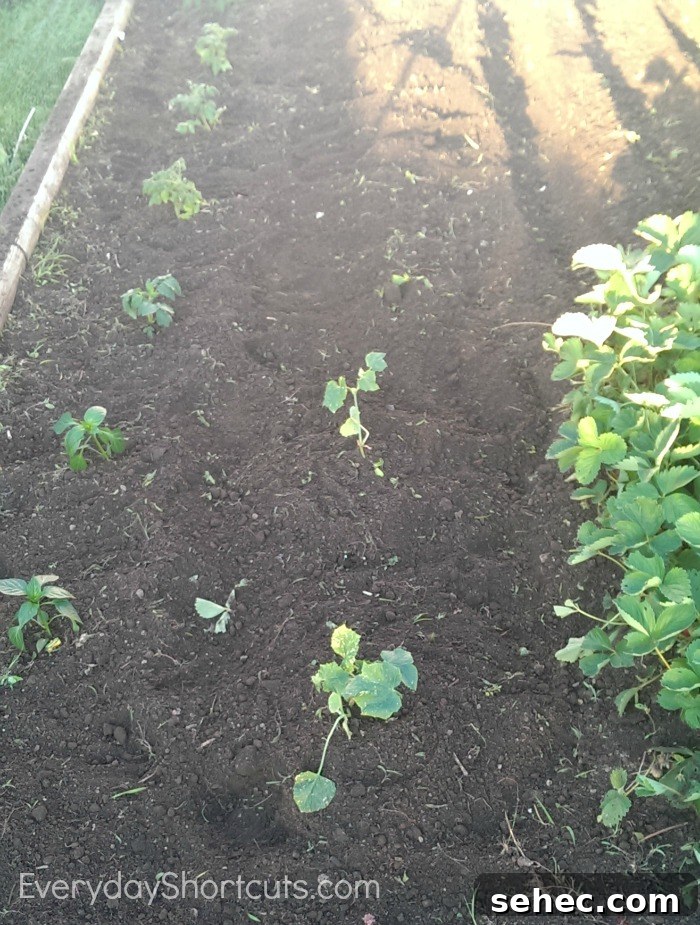
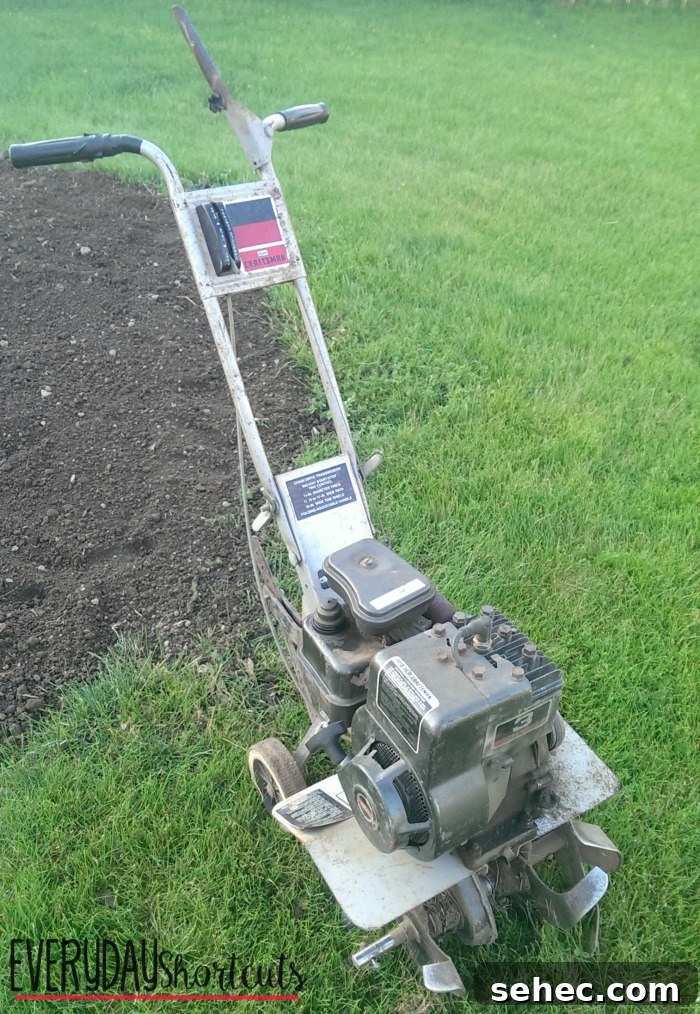
If you already have an existing raised bed, loosen the soil before planting new seeds or seedlings. This helps refresh the bed and gives roots an easier place to grow. Adding compost at the start of the season can also help replenish nutrients. As plants grow, continue normal garden care such as watering, harvesting, pruning when needed, and watching for signs of pests or plant stress.
What do you do with your raised bed at the end of the season?
At the end of the growing season, remove finished plants and clear away debris. You can cover the raised bed with a tarp if you want to protect the soil until the next planting season. Another option is to keep growing cool-season crops, such as kale or cabbage, if your climate allows. A raised bed can stay in place year after year, making it easy to start again when the next season arrives. If you built a temporary bed and need the space, you can disassemble it when necessary.
Anything else I should know about raised garden beds?
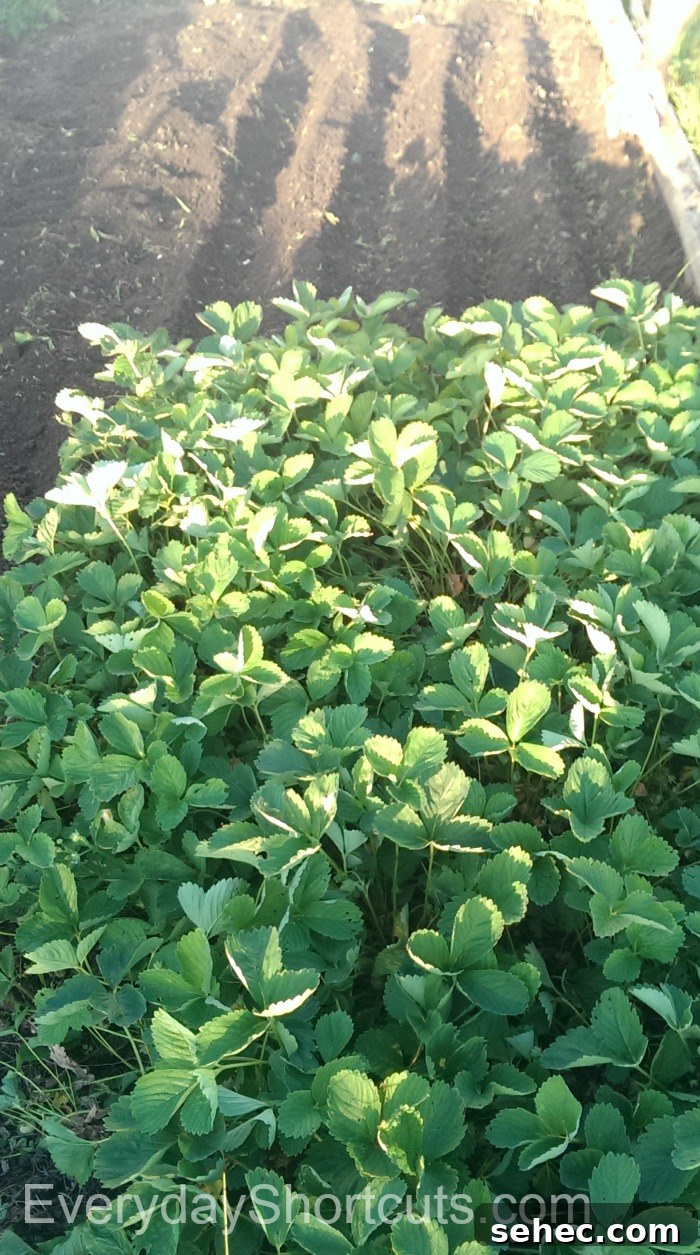
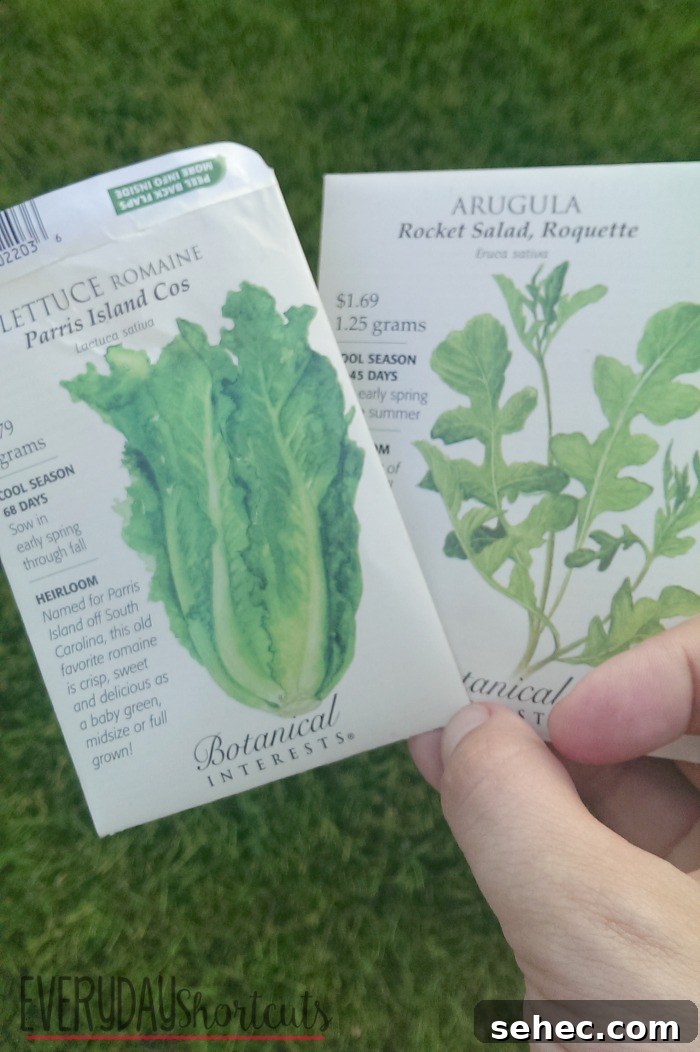
Raised garden beds are versatile. You can grow herbs like chives, vegetables like tomatoes, leafy greens, strawberries, cutting flowers, squash, and many other plants as long as the bed has enough space, sunlight, and proper soil. Taller or spreading plants may need extra room or support, so plan your layout before planting. Group plants with similar water and sunlight needs together to make care easier.
Raised bed gardening is a simple way to make gardening more accessible, organized, and enjoyable. It can help you make the most of limited space, improve growing conditions, and create a garden that is easier to maintain throughout the season. If you have been thinking about starting a vegetable garden, herb garden, or flower bed, these raised bed gardening tips are a great place to begin. Happy planting!