
An epicurean adventure to: South Africa
Meet vetkoek, South Africa’s much-loved deep-fried dough.
There is a special kind of nostalgia and delight that vetkoek brings to many South Africans, alongside favourites like biltong and the national sports teams. It is a staple of home cooking and street food.
Also called amagwinya in Zulu or puff-puff in some regions, the Afrikaans name “vetkoek” literally means “fat cake.” It is a yeasted dough, resembling a doughnut without a hole, and makes an ideal base for many savoury and sweet fillings.
This guide is aimed at anyone making vetkoek for the first time. Read through the steps before you begin to avoid surprises.

Though vetkoek shares resemblances with global counterparts like Caribbean johnny cake, Dutch oliebollen, Mexican sopaipillas and Ghanaian bofrot, it has its own texture and flavour profile that make it unique.
The most popular filling is curried mince — often called a “curry bunny” in parts of Cape Town — but many people enjoy vetkoek with golden syrup, jam and cheese, or simply on its own straight from the fridge.
Fast facts – South Africa

| Location | At the southern tip of Africa, bordered by Namibia, Botswana, Zimbabwe, Mozambique, Eswatini and Lesotho. |
| Capital | Pretoria (administrative capital). |
| Language | South Africa recognises 11 official languages. English is widely used for business; Zulu and Xhosa are among the most commonly spoken African languages. |
| Population | Around 60 million. |
| Trivia | The coastline has a dramatic maritime history, with thousands of shipwrecks dating back centuries along its shores. |
What’s to love about this recipe?
- Uses simple, everyday ingredients you probably already have.
- Making the dough and watching it puff up is satisfying and almost therapeutic.
- Reliable comfort food that pleases crowds.
- Versatile: works with sweet and savoury toppings.
- Easy to scale up or down for any number of guests.
Key ingredient notes and substitutions
See the recipe card below for exact ingredient amounts.
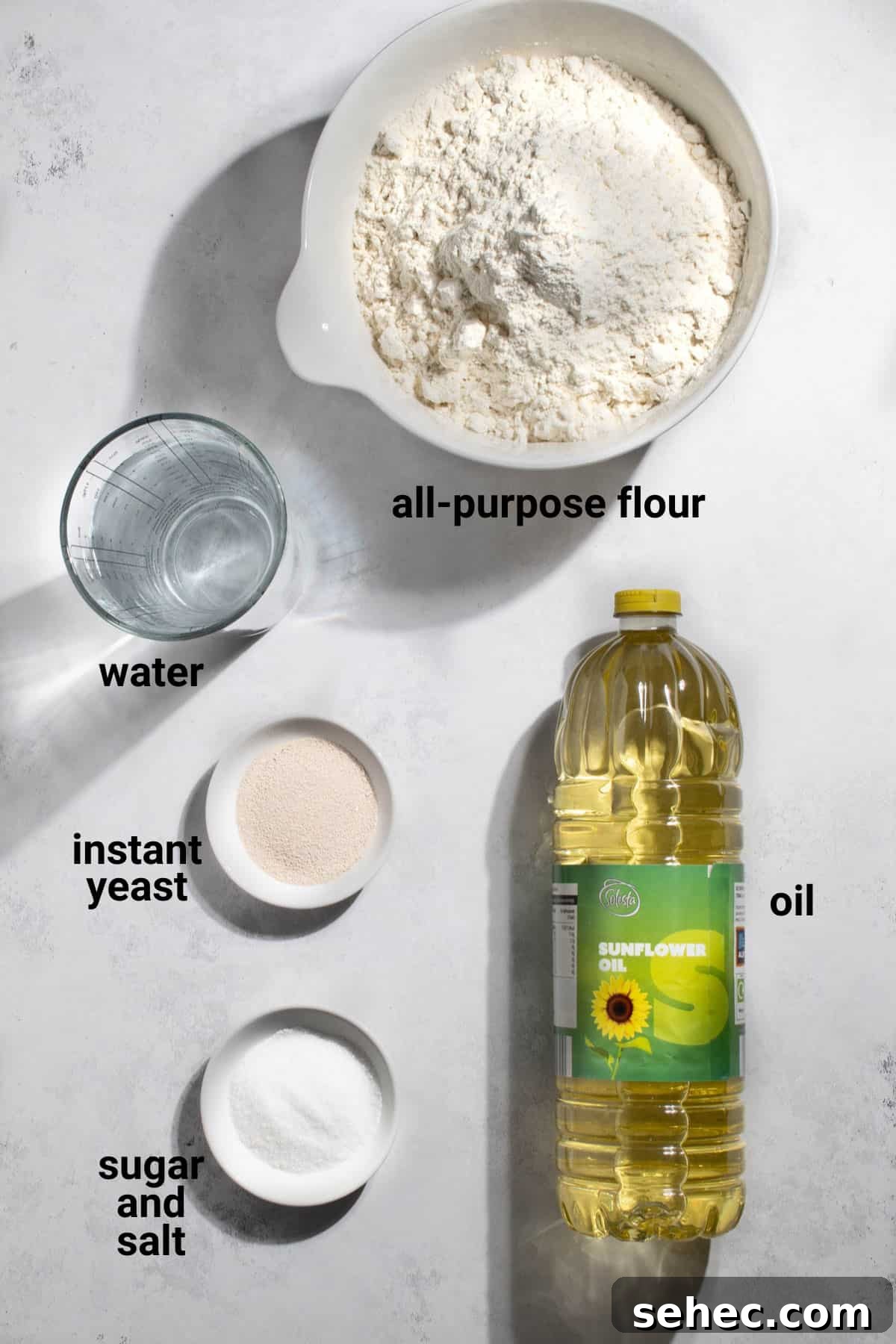
Plain flour
This recipe relies on yeast for rise, so use plain (all-purpose) flour, not self-raising flour.
Sugar
Sugar feeds the yeast and helps the dough rise. Include it in the dry mix.
Instant yeast
Packet sizes vary by country. To avoid confusion, this recipe specifies three level teaspoons of instant yeast (roughly 10–11g).
Lukewarm water
Yeast activates best in lukewarm water (about 36–40°C). Too hot will kill the yeast; too cold and it won’t activate. A simple method: mix one part boiling water with two parts tap water and test with your fingertip.
Oil
Use a neutral, high smoke-point oil (sunflower or vegetable). You need at least 5cm depth in the pot so the vetkoek can float and cook evenly. If oil is limited, use a smaller deep pot and fry fewer pieces at a time.
What you need to know before starting your vetkoek
Treat the recipe as a flexible guideline.
- Flour type, room temperature and humidity will affect the water needed.
- Add water gradually and stop when the dough is soft, slightly sticky, but still workable.
- The dough should be softer and a little wetter than regular bread dough; stiffer dough gives denser vetkoek.
- If the dough becomes too wet, add a little flour; if too dry, add a splash more water. The dough is forgiving.
How to make vetkoek: Step-by-step
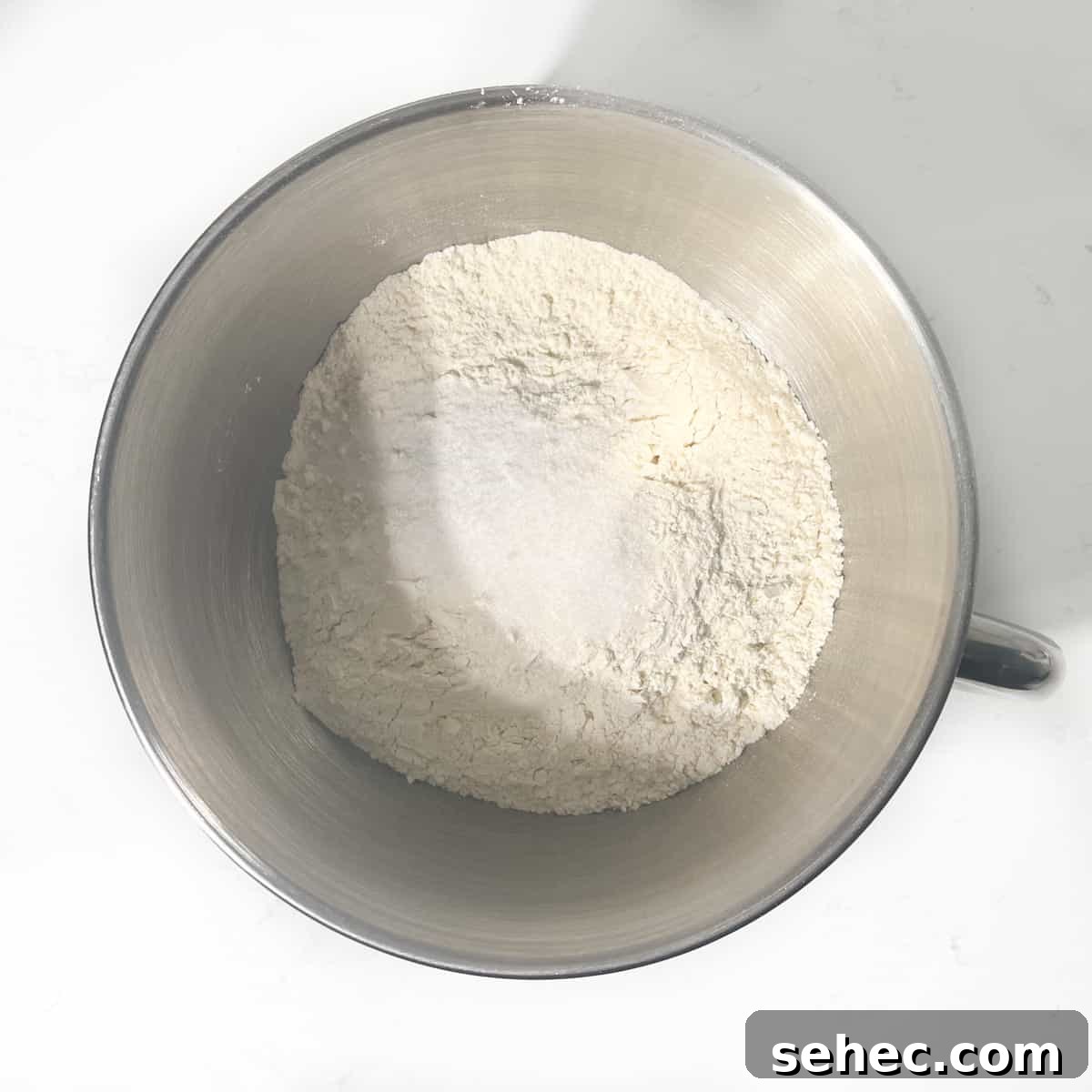
1. Combine the flour, sugar and salt in a large mixing bowl or the bowl of a stand mixer. Stir to distribute the salt evenly so it does not come into direct contact with the yeast.
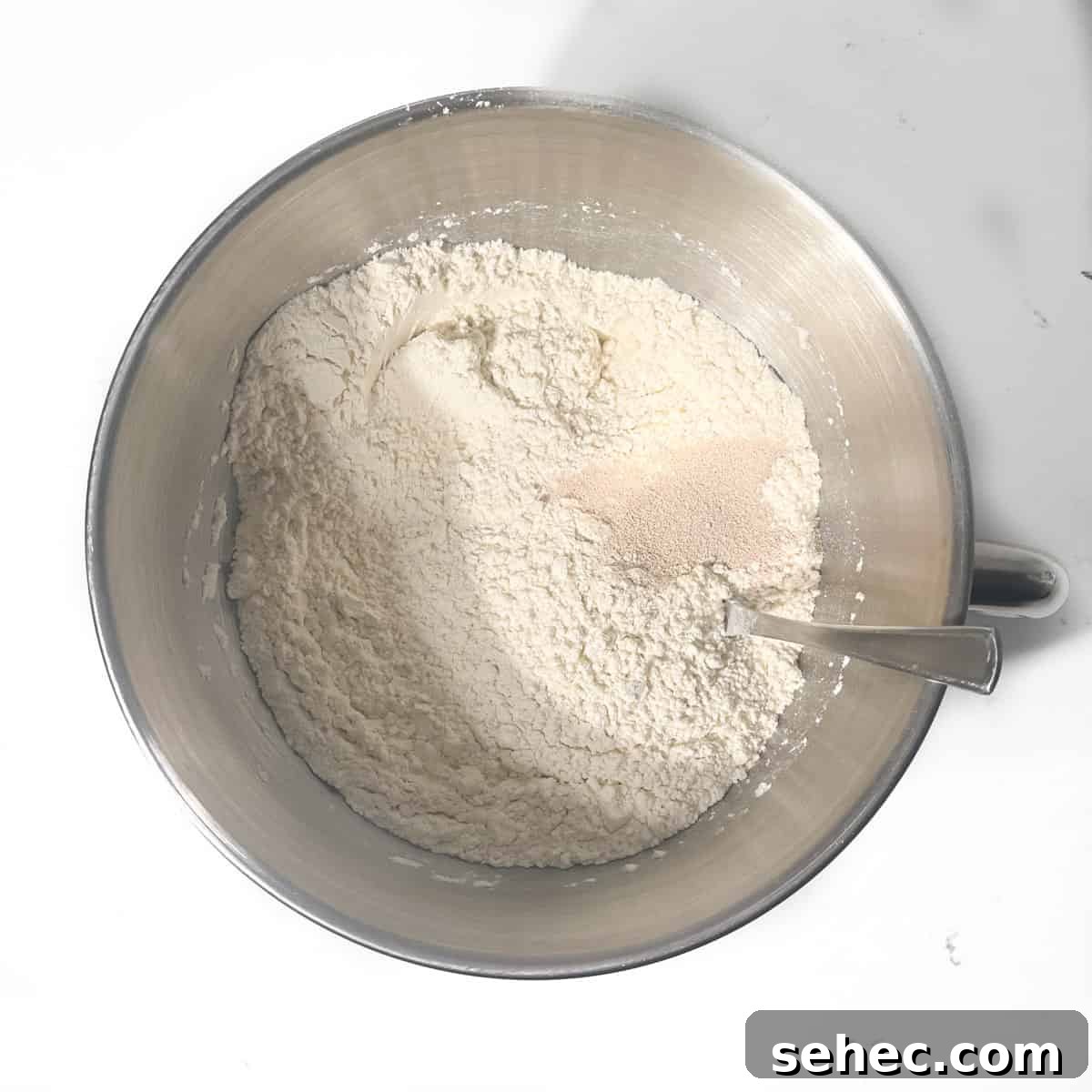
2. Add the instant yeast to the dry mix and blend well.
3. Make a well in the centre of the flour mixture.
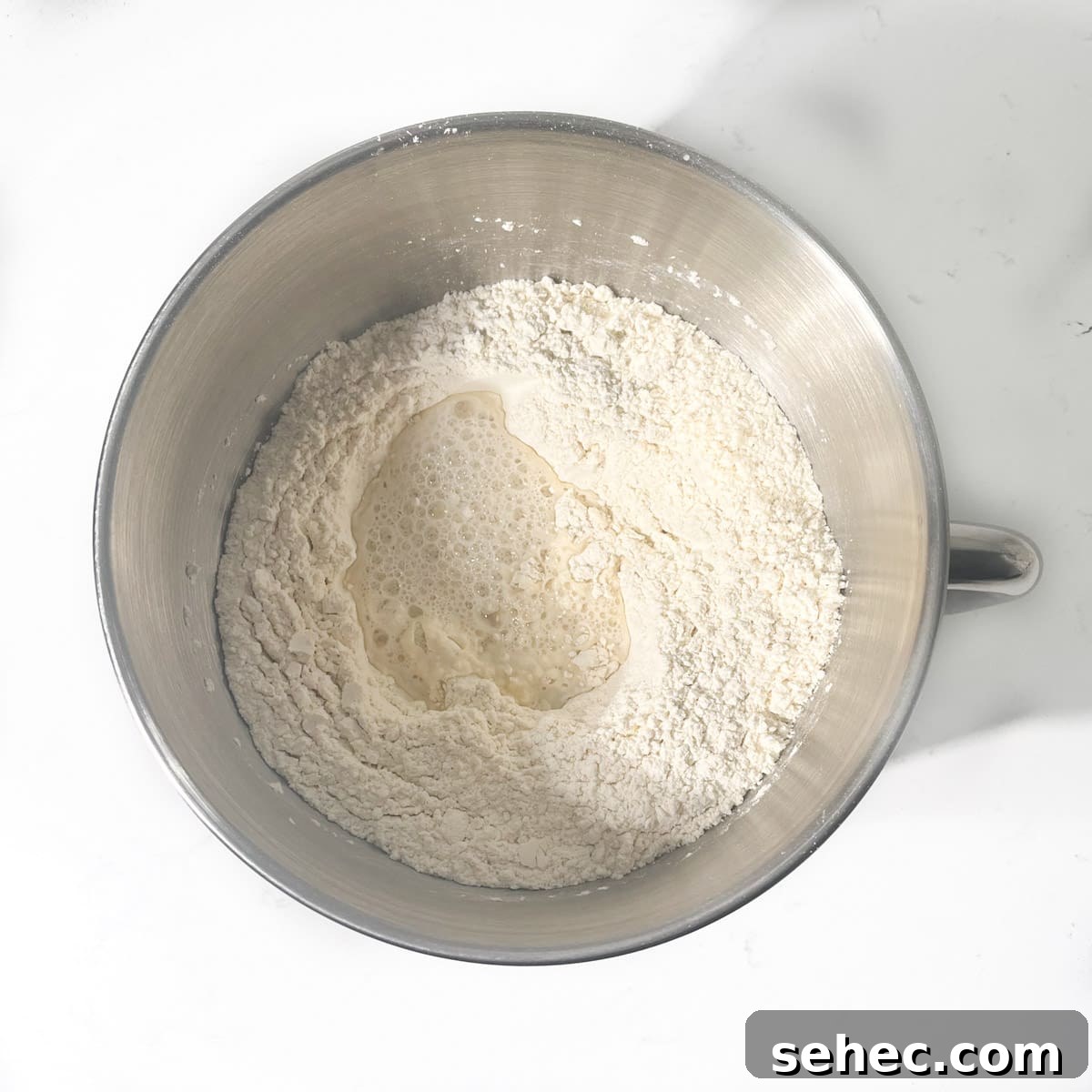
4. Pour in lukewarm water a little at a time, stirring after each addition. Keep going until the dough becomes soft and slightly sticky; you may not need all the water.
5. Knead the dough until smooth and elastic. By hand, this will take about 10–15 minutes; in a stand mixer with a dough hook, knead on low for about 10 minutes.
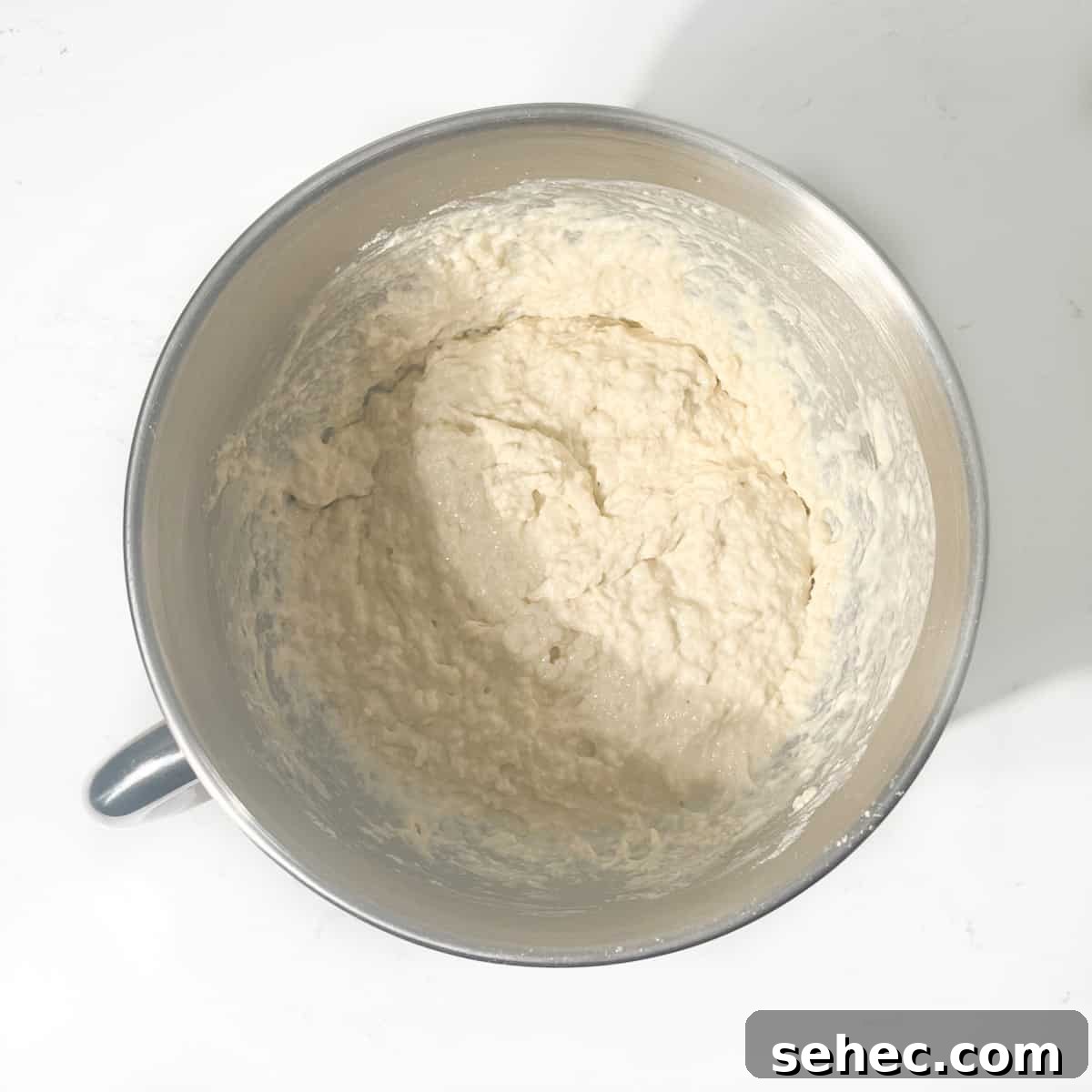
6. Lightly oil a clean bowl, place the dough inside, coat the dough surface with a little oil to prevent drying, and cover with clingfilm or a clean towel.
7. Leave the dough in a warm spot to rise for about 1 hour, until doubled in size.
8. Oil your work surface and hands. Turn the risen dough out, shape into a log and divide into equal portions. For this recipe, 150g portions will make eight good-sized vetkoek.
9. Shape each portion into a smooth ball by rolling and tucking the dough under with your thumb and fingers. Optionally place each ball on a small square of baking paper for easy transfer to the oil.
10. Flatten each ball to about 2.5cm thick, or leave round if preferred. Let them rest briefly while you heat the oil.
11. Prepare a container lined with paper towels to absorb excess oil and keep cooked vetkoek warm under a lid.
12. Pour oil into a deep saucepan so it measures at least 5cm in depth. Heat over medium-high.
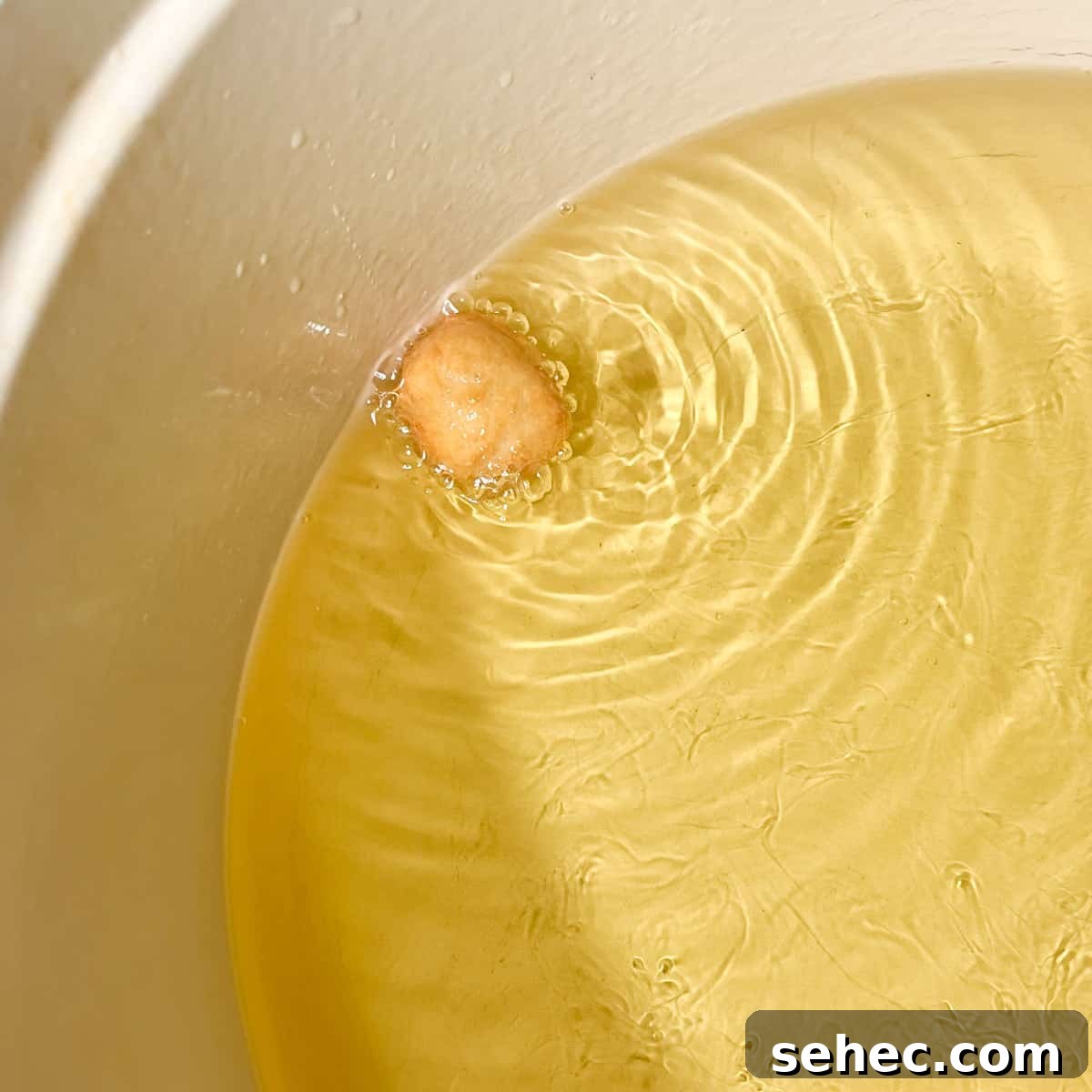
13. Test the oil by frying a small scrap of dough. If it sizzles and rises quickly, reduce the heat to medium — the oil should bubble but not rage.
14. Slide each dough piece (on its paper square if using) gently into the oil, dropping it away from you to avoid splashes. Immediately spoon hot oil over the top to help it puff up.
15. When the top has puffed, flip and fry until each side is a deep golden brown. Adjust the heat if the exterior browns too fast while the interior remains undercooked.
16. Remove cooked vetkoek to the lined container and cover to retain crispness while you finish the batch.
17. Serve warm with curried mince, golden syrup, jam and cheese, or any favourite filling.

Top Tips
Keep salt and yeast separate
Mix salt with the flour first, then add the yeast so it does not come into direct contact with salt which can inhibit its activity.
Check yeast and water temperature
Use fresh instant yeast and lukewarm water. Too hot kills the yeast; too cold prevents activation.
Add water gradually
Stop once the dough is soft and slightly sticky. You likely won’t need all the water called for.
Hand-kneading alternatives
A stand mixer speeds the process, but kneading by hand in a large bowl reduces mess and works perfectly well.
Avoid excess flour when shaping
Use a little oil on your surface and hands rather than flour when portioning. Extra flour on the outside can burn during frying.
Create a warm proofing spot
If your kitchen is cool, preheat the oven to 40°C, then switch it off and place the covered bowl inside to proof the dough.
Puffing trick
Spoon hot oil onto the top of each piece as soon as it enters the pan to encourage a full, even puff.
Keep vetkoek crispy
Store cooked vetkoek in a pot with a lid and paper towels to preserve a crisp exterior and soft interior while serving.
How to serve vetkoek
- Traditional: split and fill with curried mince and a slice of tomato for a classic experience.
- Sweet and savoury pairings: jam with cheddar, golden syrup, or preserved figs.
- Light lunches or snacks: chicken mayo or bacon and egg for a breakfast-style option.
Storage
Keep leftovers in sealed bags for up to 2 days; they will lose crispness over time. For long-term storage, freeze in an airtight container for up to 6 months, layered with kitchen paper to absorb moisture.
Reheat briefly in the microwave for convenience or restore crispiness in a 180°C oven for about 10 minutes.
FAQ
Most commonly the yeast is the issue: it may be old, the water may have been too hot or too cold, or the yeast may have come into direct contact with salt before mixing.
If the outside browns too quickly while the centre is undercooked, the oil is too hot. Reduce the heat so the vetkoek cooks through to an even deep golden brown on both sides.
Yes. The dough freezes well for up to six months. Thaw overnight in the fridge, portion, shape and fry following the recipe steps.
Recipe

Traditional South African Vetkoek
Ingredients
- 5 cups plain flour (250ml cups) — 1250ml total
- 1 tablespoon sugar (15ml)
- 1 teaspoon salt (5ml)
- 3 teaspoons instant yeast (10–11g)
- 2 cups lukewarm water (250ml cups) — 500ml total
- Oil for frying — approximately 1–1.5 litres depending on pot size
Instructions
- Add the flour, sugar and salt to a large mixing bowl and stir to combine. Ensure the salt is evenly mixed into the flour.
- Add the instant yeast to the flour mixture and blend.
- Make a well in the centre of the dry mix.
- Gradually add lukewarm water, stirring after each addition, until a soft, slightly sticky dough forms. You may not need all the water.
- Knead by hand for 10–15 minutes until smooth and elastic, or in a stand mixer with a dough hook on low for about 10 minutes.
- Lightly oil a bowl, place the dough inside, coat the dough surface with a little oil, cover and leave to rise in a warm spot for about 1 hour or until doubled.
- Turn the dough out onto an oiled surface, shape into a log and divide into 150g portions (makes eight). Shape each portion into a smooth ball.
- Optional: place each ball on a small square of baking paper. Flatten each piece to about 2.5cm thickness if desired and let rest while you heat the oil.
- Fill a deep saucepan with at least 5cm of oil and heat to medium-high. Test with a small piece of dough — it should sizzle and rise. Reduce to medium.
- Carefully lower dough pieces into the oil, drop away from you to avoid splashes, and immediately spoon hot oil over the top to encourage puffing.
- When puffed, flip and fry until both sides are a deep golden brown. Remove to a paper-lined container and cover to keep warm and crisp.
- Serve warm with curried mince, golden syrup, jam and cheese, or your preferred fillings.
Notes
Note: The frying oil is not included in the nutritional calculation. Nutritional values are estimates and vary with ingredients and portion sizes.
Practical reminders
Gradually add water to get the right dough consistency. Use fresh yeast and lukewarm water. Maintain sufficient oil depth so the vetkoek floats and cooks evenly. Avoid adding flour when portioning to prevent burning on the outside.
Keeping vetkoek crisp
After frying, store vetkoek in a pot with a lid and paper towels to retain a crisp exterior and soft interior while serving.
Nutritional data disclaimer
The nutritional information provided is calculated by a third party and may not be exact. Values can change based on brands and quantities used. For personalised dietary advice consult a qualified professional.
Nutrition
For food safety guidance and allergy information, consult local official resources.
More recipes from South Africa
Pikkie’s Melkkos
Milk tart with condensed milk
Curry noodle salad
Bunny chow with chicken curry
Bobotie
Yellow rice for bobotie
Peppermint Crisp tart
Rock shandy
Trinchado (Portuguese-inspired beef stew)
Prego steak rolls
Bar-One sauce