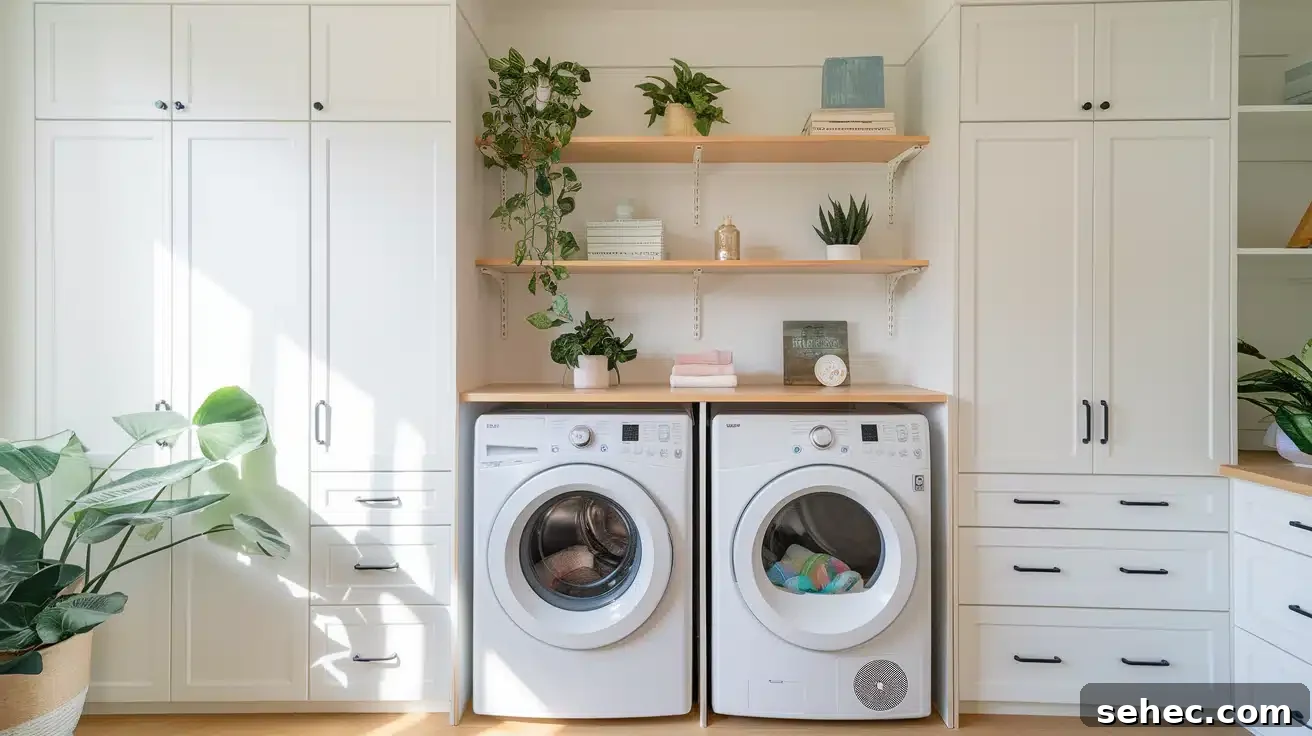
In today’s home, even the smallest spaces are expected to be useful, comfortable, and well designed. A dream laundry room is no longer just a place to wash clothes. With the right layout, storage, lighting, and finishes, it can become one of the most practical and organized areas in your home.
A well-planned laundry room can make daily chores feel easier and less stressful. Instead of dealing with cluttered counters, scattered supplies, and poor lighting, you can create a space that supports your routine from start to finish.
Whether you have a compact laundry closet, a medium-sized utility room, or a large dedicated space, thoughtful laundry room design can help you save time, reduce mess, and enjoy a smoother workflow.
Here’s how to create a laundry room that fits your space, your needs, and the way your household works.
Key Features for a Dream Laundry Room
A well-designed laundry room turns a routine chore into a smoother, more efficient process. It is more than a washing area; it is a functional part of the home that should feel organized, durable, and easy to use.
Every detail matters, from where you place your appliances to how you store detergents, baskets, and cleaning supplies. The best laundry room ideas combine practical features with a clean, welcoming design.
Smart Storage Solutions
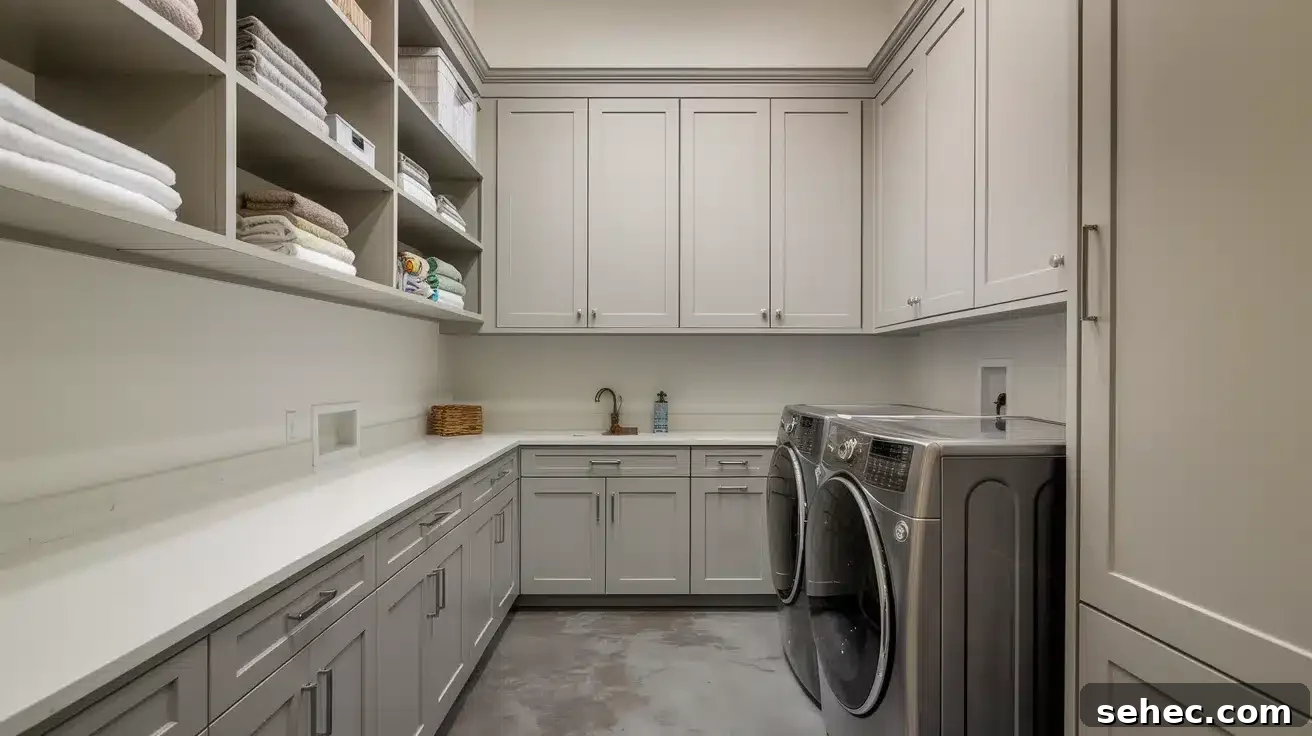
Smart storage is one of the most important parts of any dream laundry room. Cabinets, shelves, drawers, and baskets help keep everyday supplies in order and prevent the room from becoming cluttered.
Custom cabinetry can transform a basic utility area into a clean and organized workspace. Floor-to-ceiling storage makes the most of vertical space, while closed cabinets hide less attractive items such as bulk detergent, stain removers, and cleaning products.
A durable countertop is also useful for folding clothes, sorting laundry, or placing baskets. Materials such as quartz are popular because they are strong, easy to clean, and suitable for daily use.
Innovative Room Features
Modern laundry room features can improve both comfort and efficiency. A deep utility sink with a flexible spray nozzle is helpful for treating stains, rinsing items, and hand-washing delicate fabrics.
Wall-mounted drying racks provide flexible air-drying space without taking up permanent floor area. Pull-out hampers with separate compartments make sorting whites, darks, towels, and delicates much easier.
Lighting also plays a major role. A mix of general ceiling lighting and task lighting above counters or sinks helps you see stains, read labels, and work comfortably. Hidden outlets, appliance-friendly layouts, and easy-to-reach storage can make the space even more convenient.
Designing for Comfort and Efficiency
The best laundry room design balances practicality with comfort. Choose moisture-resistant materials, easy-to-clean surfaces, and a layout that reduces unnecessary bending, lifting, and walking back and forth.
Soft-close drawers, accessible shelves, and clear zones for washing, drying, folding, and storage can turn laundry into a more manageable task. Your ideal laundry room should be organized, functional, and designed around the way you actually use the space.
Popular Styles to Inspire You
Choosing a style for your laundry room helps bring the whole design together. The right look can make the room feel connected to the rest of your home while still keeping it practical and easy to maintain.
Modern And Minimal
A modern and minimal laundry room focuses on simplicity, clean lines, and order. This style often includes flat-front cabinets, neutral colors, smooth surfaces, and clutter-free counters.
Everything has a place, and most supplies are kept behind closed doors or inside drawers. The result is a calm, polished room that feels easy to clean and pleasant to use.
This style is ideal if you prefer a neat, low-maintenance laundry space with a streamlined look.
Farmhouse and Rustic
Farmhouse and rustic laundry rooms bring warmth, texture, and charm into the space. Common features include open shelving, wood accents, shiplap walls, apron-style sinks, and vintage-inspired fixtures.
Natural materials and warm tones create a cozy, lived-in feeling. This style works well for homeowners who want their laundry room to feel welcoming rather than purely utilitarian.
Vintage Charm
A vintage-inspired laundry room adds character with classic details and soft finishes. Patterned tiles, muted colors, antique-style hardware, and traditional fixtures can create a gentle, nostalgic atmosphere.
Open shelving, aged finishes, and decorative storage pieces help blend old-world charm with everyday function. This style is practical while still feeling personal and distinctive.
Coastal and Bright
A coastal laundry room feels fresh, airy, and relaxed. Light colors such as white, sandy beige, pale gray, and soft blue can make the space feel larger and brighter.
Open shelving, uncluttered surfaces, natural light, and simple finishes help create a breezy look. This is a great option if you want a clean, calm laundry room that feels easygoing and inviting.
Industrial Chic
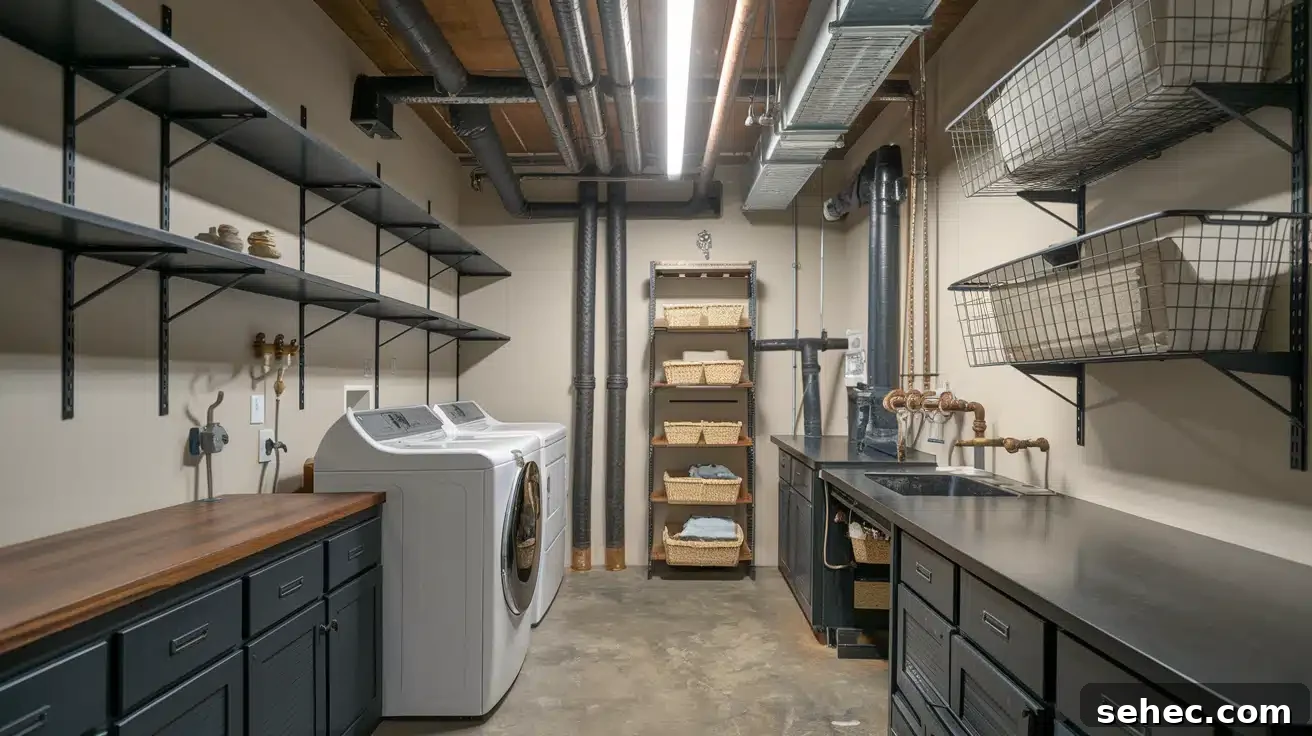
Industrial chic laundry rooms combine metal, wood, and strong finishes for a bold, practical look. This style may include open shelving, wire baskets, exposed piping, darker colors, and matte black hardware.
Industrial lighting and sturdy materials add durability while keeping the design stylish. It is a good choice for anyone who prefers a simple, no-fuss room with a confident, modern edge.
Step-by-Step Guide to Your Dream Laundry
A laundry room is not just a place for chores. When planned well, it can become one of the most useful spaces in the home. A clear design process helps you avoid wasted space, awkward layouts, and storage problems.
Use these steps to create a laundry room that supports your daily routine and keeps everything organized.
Step 1: Define Your Goals and Needs
Start by deciding what you need most from the space. Do you need more storage, a larger folding area, a hanging rod, a utility sink, or better lighting?
Think about your typical laundry routine. Consider how often you wash clothes, how many people use the room, and whether you need space for cleaning supplies, linens, or household items. Separating must-have features from nice-to-have extras will help guide your design choices.
Step 2: Measure and Assess the Space
Before buying cabinets, appliances, or shelving, take careful measurements. Measure wall lengths, ceiling height, door swings, appliance clearances, and available floor space.
Also note the locations of windows, vents, water lines, drains, and electrical outlets. These details will influence your layout and may determine whether changes require professional help.
Step 3: Choose the Right Layout
Select a layout that fits your space and workflow. Side-by-side appliances work well when you want a folding counter above them. Stacked machines are useful in small laundry rooms because they save floor space.
For larger rooms, L-shaped and U-shaped layouts can create separate zones for washing, drying, folding, and storage. Make sure there is enough room to open appliance doors, move baskets, and walk comfortably through the space.
Step 4: Plan Effective Storage Solutions
Good storage keeps a laundry room clean and efficient. Plan space for detergents, fabric softeners, stain removers, dryer sheets, baskets, hangers, cleaning supplies, and extra linens.
Use a mix of closed cabinets and open shelves. Closed storage keeps clutter hidden, while open shelves make frequently used items easy to reach. Pull-out drawers and baskets can improve access to items stored at the back of cabinets.
Step 5: Consider Lighting and Ventilation
Lighting and ventilation are essential in any laundry room. Bright lighting makes it easier to sort clothes, treat stains, and fold laundry accurately.
Use ceiling fixtures for general light and task lighting above counters, sinks, or work areas. Proper ventilation is also important because laundry rooms can collect heat and moisture. Windows, vents, or fans can help reduce humidity and keep the room fresher.
Step 6: Select Practical Finishes
Choose finishes that can handle moisture, splashes, and frequent cleaning. Ceramic tile, vinyl, and sealed concrete are practical flooring options for laundry areas.
For walls, use moisture-resistant paint. For counters and cabinets, select materials that are durable and easy to wipe down. Practical finishes will help your laundry room look better for longer.
Step 7: Add Functional Extras
If space allows, add features that make laundry easier. A drying rod is useful for delicate clothing, while a pull-out hamper can simplify sorting. A utility sink is helpful for hand-washing, soaking, and stain treatment.
A fold-away ironing board or a dedicated steamer area can also improve convenience. In larger rooms, a small seating area may be useful if you spend a lot of time sorting, folding, or waiting between loads.
These thoughtful additions can turn an ordinary laundry room into a more comfortable, efficient, and enjoyable space.
Layout & Design Tips by Space Size
Designing a laundry room starts with understanding the size of your space. With the right layout, even a small area can become a practical and efficient laundry zone.
Small-Space Solutions
Small laundry rooms and laundry closets require smart planning. In apartments, narrow rooms, or compact corners, vertical storage is especially important.
Wall-mounted shelves, fold-away drying racks, and stackable washer-dryer units can help you use the space efficiently without making it feel crowded.
Sliding cabinet doors can save room, while compact rolling carts provide flexible storage that can be tucked away when not in use. Over-the-door organizers and fold-down ironing boards can also help turn a small space into a complete laundry area.
Medium-Sized Laundry Room Layouts
Medium-sized laundry rooms offer more flexibility. With enough room for counters, cabinets, and possibly a sink, you can create a layout that supports each part of your routine.
An L-shaped or U-shaped design works well because it creates natural zones for washing, drying, folding, and storage. A sturdy countertop provides a convenient folding surface, while upper and lower cabinets keep supplies organized.
A utility sink adds convenience for treating stains and hand-washing items. A hanging rod is useful for air-drying delicate clothing, and pull-out hampers help keep dirty laundry sorted and off the floor.
Good lighting is important in a medium-sized laundry room. Combine ceiling lights with task lighting to keep the room bright and functional.
Large and Luxury Laundry Setups
Large laundry rooms provide the opportunity to go beyond basic function. With more square footage, you can create clear zones for washing, drying, folding, ironing, and storage.
You may have room for multiple appliances, a larger sink, a built-in ironing station, or extended counters. Custom cabinets can store cleaning supplies, linens, baskets, and other household items while keeping the room tidy.
Large spaces also allow for personal touches. Comfortable flooring, decorative finishes, and carefully chosen fixtures can help the laundry room feel like a natural extension of the home rather than a purely practical space.
Universal Design Principles
No matter the size of the room, successful laundry room design focuses on a few key principles:
- Efficient workflow
- Smart storage solutions
- Comfortable working height
- Moisture-resistant, easy-to-clean materials
The goal is to create a space that simplifies your routine, reduces clutter, and makes laundry tasks easier to manage.
Laundry and Mudroom Combos
Combining a laundry room with a mudroom can create a highly practical space for busy households. This setup allows dirty clothes, shoes, bags, and outdoor gear to be handled in one organized area.
Design Strategy
A successful laundry and mudroom combo needs clear zones and smooth traffic flow. Divide the area into sections for entry, laundry, cleaning, and storage.
Place laundry appliances where they are easy to access, especially if the room is near an exterior door. This makes it easier to handle dirty clothing, towels, and outdoor items before they spread through the house.
Smart Storage Solutions
Built-in storage is especially helpful in a combined laundry and mudroom. Use hooks at different heights, deep cubbies, closed cabinets, and adjustable shelving to make the most of vertical space.
Create a logical workflow so dirty items can enter the room, be sorted, washed, dried, and stored without creating clutter. Durable flooring, easy-clean surfaces, and strong storage systems are especially useful in this type of high-traffic space.
Common Mistakes to Avoid
Even a beautiful laundry room can become frustrating if the layout or storage is not planned well. Avoid these common mistakes to keep the space functional, organized, and easy to use.
1. Poor Lighting Troubles
Dark laundry rooms make it harder to sort clothing, treat stains, and keep the space clean. Shadows can also make a small room feel even smaller.
Add strong ceiling lighting and consider task lighting near counters, sinks, and cabinets. Under-cabinet lighting can be especially helpful in rooms with built-in storage.
2. Counter Space Limitations
Not having enough counter space can make folding and sorting laundry difficult. Even compact rooms can benefit from a small work surface.
Consider a counter above side-by-side appliances, a fold-down table attached to the wall, or a slim rolling cart with a usable top. Flexible surfaces can make a big difference in daily use.
3. Moisture and Airflow Issues
Laundry rooms often deal with heat, humidity, and damp clothing. Without proper airflow, moisture can affect cabinets, walls, stored items, and the overall freshness of the room.
Use moisture-resistant materials, keep vents clear, and make sure the room has adequate ventilation. Fans, windows, or proper exhaust systems can help reduce humidity and support long-term durability.
Conclusion
A dream laundry room is practical, organized, and comfortable to use. With the right design choices, you can turn a basic chore area into a space that supports your routine and makes laundry feel less stressful.
Smart laundry room design is not only about appearance. It is about how the room works every day. Functional storage, good lighting, durable finishes, and thoughtful extras can help you save time and keep the space under control.
Whether your laundry area is small, medium, or large, careful planning can make it more efficient and enjoyable. A well-designed laundry room does more than clean clothes; it helps your home feel more organized and easier to manage.
Frequently Asked Questions
How much space do I need for a laundry room?
The amount of space depends on your layout and appliances. A compact laundry area may fit into a narrow space with stackable machines, while a full laundry room usually needs more room for side-by-side appliances, storage, and a folding area.
What are the best materials for laundry room countertops?
Quartz, laminate, and butcher block are common choices for laundry room countertops. They are practical, easy to clean, and can work well with different design styles.
Can I combine my laundry room with a mudroom?
Yes, combining a laundry room with a mudroom can save space and improve organization. To make it work well, divide the area into clear zones for entry items, laundry tasks, and storage.