With only a few days left before the start of our month of eating no processed foods, many people have been asking the same important question: what does “unprocessed” actually mean? They also want to know whether specific foods are allowed during the challenge.
Before getting into the details, it is important to say this clearly: you should do what is right for you. No one is standing in your kitchen checking every decision you make. Food is personal, and this unprocessed food challenge is personal too.
If you need to make exceptions, that is completely your choice. The goal is not to create guilt or perfectionism. The goal is to make thoughtful decisions. Whenever possible, make those exceptions deliberately, not automatically.
My definition of unprocessed food may not be exactly the same as yours, and that is perfectly fine. In fact, thoughtful disagreement can be useful. It encourages conversation, helps us look more closely at our food, and makes the challenge more meaningful.
I also know that my definition is not flawless. The purpose is not to create a perfect rulebook. The purpose is to increase awareness about how food is made, what ingredients we are putting into our bodies, and how our daily food choices affect the way we eat. I am also hoping to make a little personal progress toward my own health goals, but that is another story.
With that in mind, here is my working definition of unprocessed food. I call it The Kitchen Test:
Unprocessed food is any food that could be made by a person with reasonable skill in a home kitchen using readily available, whole-food ingredients.
This does not mean that you personally must know how to make the food. It simply means that the food could be made in a home kitchen by someone with the right knowledge and basic tools. If a food requires industrial equipment, highly specialized processing, or a laboratory-style production method, it does not pass the test.
Here is a useful example. Consider the ingredient list for a typical chocolate peanut butter protein bar:
CORN SYRUP, SOY CRISPS (SOY PROTEIN ISOLATE, RICE FLOUR, ALKALIZED COCOA), CHOCOLATEY COATING (SUGAR, FRACTIONATED PALM KERNEL OIL, COCOA, WHEY, NONFAT MILK, SOY LECITHIN, NATURAL VANILLA FLAVOR), WHOLE OATS, DRY ROASTED PEANUTS, SOY PROTEIN ISOLATE, INULIN FROM CHICORY, NATURAL FLAVORS, RICE CRISPS (MILLED RICE, SUGAR, SALT, BARLEY MALT), SALTED PEANUT BUTTER, VEGETABLE GLYCERIN, PEANUT FLOUR, ALMOND BUTTER, SALT, SOY LECITHIN, MINERALS: CALCIUM PHOSPHATE, POTASSIUM PHOSPHATE, FERROUS FUMARATE, VITAMINS: ASCORBIC ACID, VITAMIN B6 HYDROCHLORIDE, RIBOFLAVIN, THIAMINE MONONITRATE.
The bold ingredients are items that would be difficult, if not impossible, to make in a normal home kitchen without industrial processing. Now compare that with a very simple fruit-and-nut bar:
CASHEWS, DATES.
A home cook with ordinary skills could make something very similar to the cashew-and-date bar. The protein bar with isolated proteins, refined syrups, added vitamins, emulsifiers, and flavoring compounds is a very different story.
Here are some common foods people ask about, along with how I would apply the Kitchen Test to each one:
Chocolate. Chocolate can pass the test because it is possible to make chocolate at home. However, store-bought chocolate often includes emulsifiers, artificial or vague flavorings, and other additives. If the ingredient list includes things you would not use in a home kitchen, it is probably best to skip it during an unprocessed food challenge.
Coffee. Coffee is acceptable. Coffee beans can be roasted at home, and the basic process does not require industrial additives. The key is to avoid the extras that clearly do not pass the test, such as artificial sweetener packets, powdered creamers, and flavored products with questionable ingredients.
Beer. Beer can pass the Kitchen Test because people can and do make beer at home. As always, the ingredients matter. A simple beer made from recognizable ingredients is very different from a product loaded with artificial flavors or unusual additives.
Wine. Wine can also be made at home. The one issue to consider is sulfites. Some winemakers add sulfites, and you will need to decide whether that fits your own version of the challenge. If you want to be stricter, you may choose to look for wines without added sulfites.
[Wine Update: Please read Dave’s clarification in the comments.]
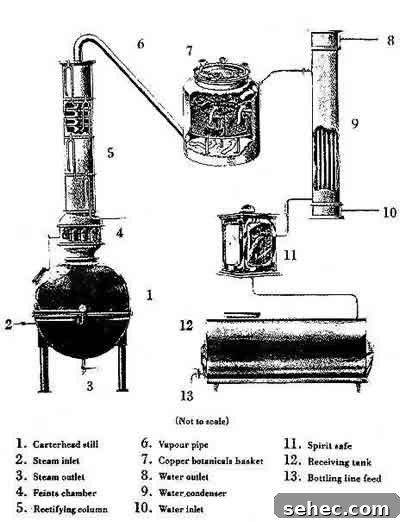
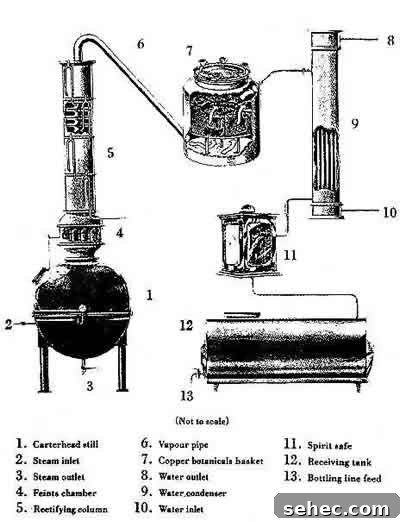
Vodka, Gin, and Other Spirits. Distilling spirits at home is not recommended and may be illegal depending on where you live, but the process itself is possible outside an industrial setting. If you choose to include spirits, avoid gimmicky flavored versions and check whether the ingredients and production style fit your standards.
Bacon and Sausage. These may be acceptable if they are high-quality products made without additives, artificial flavorings, nitrates, or fillers. This is a good opportunity to read labels carefully or talk with a local butcher about what is actually in the product.
Veggie Burgers and Fake Meats. Many commercial veggie burgers and meat substitutes do not pass the Kitchen Test because they often rely on textured vegetable protein, isolated proteins, stabilizers, and other highly processed ingredients. If you need a convenient option, read the ingredient list closely. A veggie burger made from vegetables, grains, beans, and spices is much more likely to fit the challenge than one built from industrial ingredients.
Cooking Oils. It is possible to press oils at home, although it is not always practical. Nut oils and seed oils may be easier to imagine in a home-kitchen setting than highly refined industrial oils. For the challenge, choose simple, minimally processed oils and avoid products that are heavily refined or blended with questionable additives.
Salt. Salt depends on how refined it is. Natural, minimally processed salts are a better fit for unprocessed eating. Highly refined salt with anti-caking agents or added ingredients may not meet your personal standard.
Sugar. Regular white table sugar is highly refined and usually does not fit well within the Kitchen Test. It is typically processed far beyond what most people could reasonably do at home, and it is best avoided during a strict unprocessed food challenge.
Turbinado Sugar or “Raw” Sugar. Turbinado sugar is less refined than white sugar, and it has not gone through the same bleaching process. It may be possible to make something similar from sugar cane with enough time and patience. Whether you include it depends on how strict you want to be.
[Sugar Update: Please read MrJackHonky’s thoughts on sugar in the comments.]
Honey. Honey is a good choice and may be one of the most straightforward sweeteners available. It requires very little processing and fits naturally into an unprocessed food approach.
Agave Nectar. Agave nectar is more complicated. Some versions are heated at relatively low temperatures, while others may involve enzymatic processing. If you choose to use it, look carefully at how it was made and decide whether it matches your personal definition of unprocessed.
Corn Syrup and High Fructose Corn Syrup. These do not pass the Kitchen Test. They are too highly processed and too complicated to make in a normal home kitchen, so they should be left off the list.
Flour. Whole grain flour is acceptable because whole grains can be ground at home. Refined flour is more complicated because the bran and germ have been removed, and many refined flours are bleached, brominated, or enriched. For the cleanest choice, use 100% whole grain flour.
[Flour Update: Refined flour may pass the Kitchen Test if it is unbleached and unenriched, but whole grain flour remains the simpler and more nutritious choice for most people.]
Corn Meal and Masa. These are acceptable if they are made from the whole grain and do not include unnecessary additives. As always, the ingredient list is the best place to start.
Butter. Real butter passes the test. It can be made at home from cream, and the ingredient list should be short and recognizable.
Cheese. Real cheese can pass the Kitchen Test because cheese can be made at home. Avoid processed cheese, pasteurized processed cheese products, and anything labeled as “cheese food.” Those products usually contain ingredients and methods that do not fit an unprocessed food challenge.
Nut Butters. Nut butters are fine when the ingredients are simple. Ideally, the label should say only nuts, or nuts and salt. If it contains stabilizers, added oils, sweeteners, or other unnecessary ingredients, choose a cleaner option.
Spices. Spices are acceptable. They can be grown, dried, and ground at home. Be careful with spice blends, however, because some contain added sugar, anti-caking agents, artificial flavors, or preservatives.
Breads. Bread depends entirely on the ingredient list. The best option is homemade bread made from whole grain flour and simple ingredients. If you buy bread, look for whole grains and avoid fillers, preservatives, artificial sweeteners, and ingredients that would not belong in your kitchen. Even breads marketed as whole wheat can contain additives, so read carefully.
That covers many of the most common questions about unprocessed foods and the Kitchen Test. If you are unsure about a particular item, read the ingredient list, ask whether it could reasonably be made in a home kitchen, and make the choice that feels right for your version of the challenge.
—
If you have not taken the October: Unprocessed pledge yet, now is a great time to join.
Image from homedistiller.org.