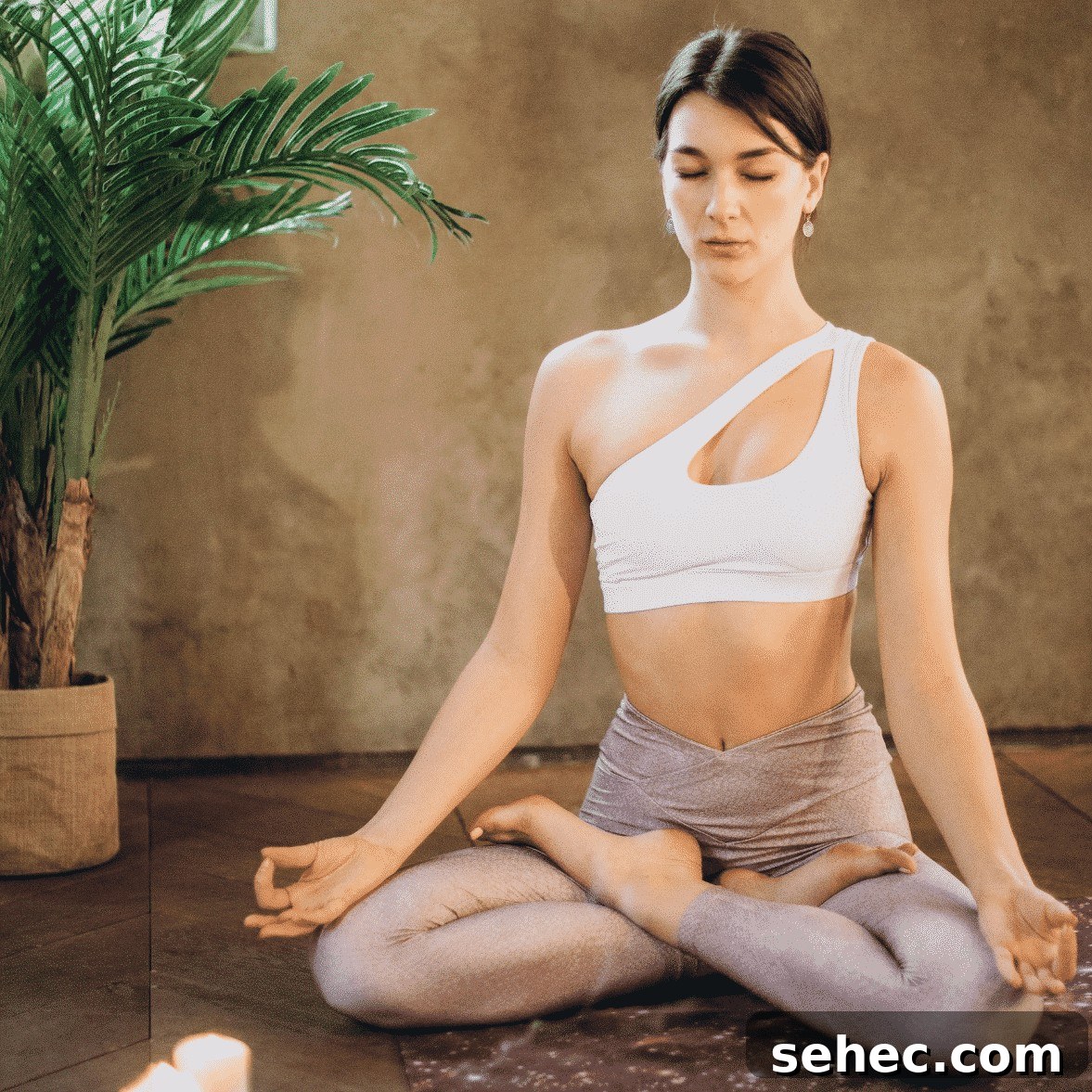
Do you need a simple way to find calm in the middle of a busy, over-scheduled life? Guided meditation can help you slow down, reconnect with your breath, and become more present in the moment you are actually living.
If you have never meditated before, this beginner-friendly guide is a gentle place to start. You do not need special equipment, advanced experience, or a perfect quiet room. All you need is a few minutes, a comfortable place to sit, and a willingness to try something new. With practice, meditation can become a meaningful part of your daily routine and a supportive tool for your health, happiness, and inner balance.
What Is Meditation?
Meditation is often misunderstood. It is not limited to any specific religion, belief system, or spiritual tradition. At its heart, meditation is a practice of quieting the mind, observing your thoughts, and returning your attention to the present moment.
People sometimes use the phrase “meditate on something” to mean thinking deeply about a subject. In this guide, meditation means something different. It is the practice of noticing your breath, softening mental noise, and allowing thoughts to pass without chasing them. Instead of becoming tangled in every worry, plan, memory, or distraction, you learn to sit with awareness and simply be.
This ability to pause and become present is powerful. When you learn to observe your thoughts, you create space between what happens around you and how you respond. You may still face traffic, deadlines, difficult conversations, and long to-do lists, but meditation can help you meet those moments with more steadiness and less reactivity.
A regular meditation practice may also support better sleep, stress relief, emotional balance, and a deeper sense of peace. If rest is something you are working on, you may also find these tips for a better night’s sleep helpful.
Meditation does not have to feel mysterious or complicated. There are many forms of meditation, including breath awareness, body scans, mantra meditation, loving-kindness meditation, and visualization. For beginners, one of the easiest ways to start is by focusing on the simple rhythm of breathing in and breathing out.
As you practice, thoughts will come. That is normal. The goal is not to force your mind to become completely blank. Instead, notice the thought, let it pass, and gently return your attention to your breath. Each return is part of the meditation.
Now, let’s begin a guided meditation designed to calm your senses, relax your body, and help you reconnect with yourself.
Labyrinth Visualization Meditation
Step 1:
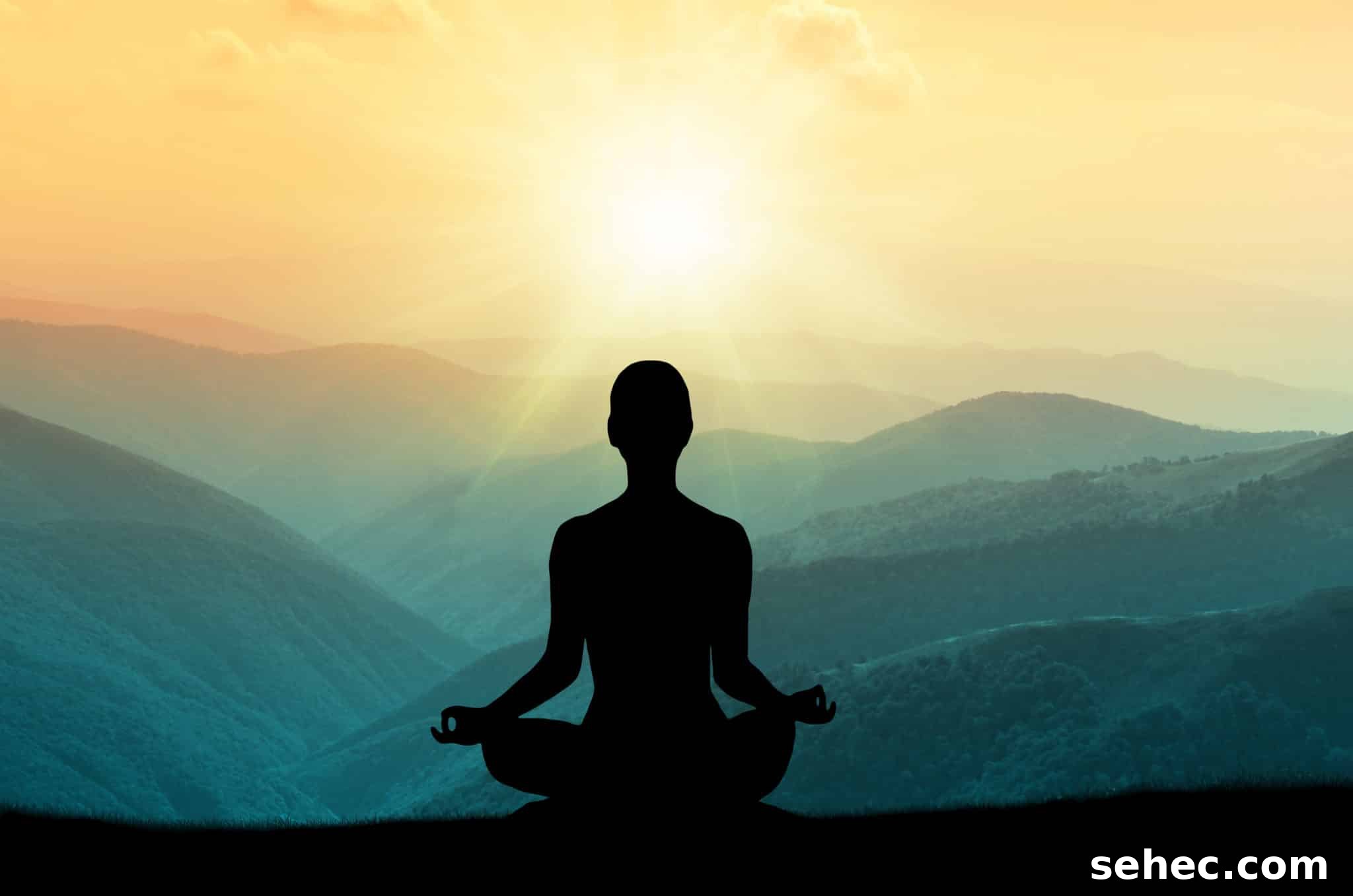
Sit in a comfortable position and close your eyes. Allow your hands to rest naturally in your lap or on your knees. Begin by listening to your breath. Is it shallow or deep? Is it rough, smooth, fast, or slow? There is no need to change anything at first. Simply notice.
Let your breath bring you into the present moment. Not the past. Not the future. Just here. Just now. Feel the support beneath your body and allow yourself to settle.
Step 2:
Take three deep, conscious breaths in and out through your nose. Inhale slowly for a count of six, then exhale slowly for a count of six. Repeat this breathing pattern three times, or more if it feels comfortable.
With each inhale, imagine you are drawing in calm. With each exhale, imagine you are releasing tension. Feel the movement of the breath in your chest, ribs, belly, and back. Let your breathing become steady, gentle, and intentional.
Step 3:
As you continue breathing, visualize yourself standing at the entrance of a peaceful labyrinth. This labyrinth may be made of sand and stone, tall green trees, garden flowers, soft light, or anything else that feels safe and welcoming to you.
This is your personal sacred space. It exists within your imagination, but it also reflects a quiet place inside your heart. Begin walking slowly through the labyrinth, one step at a time. There is no rush and no wrong direction. Each step brings you deeper into stillness.
Step 4:
As you make each turn in the labyrinth, imagine that you are releasing the weight of the outside world. Let go of old thoughts, unfinished tasks, worries, and expectations. One by one, allow them to fall away.
With every breath, feel lighter. With every step, feel more present. As you reach the center of the labyrinth, pause. Sense a feeling of renewal, as if you have arrived at a quiet inner sanctuary.
With a calm heart and a clear mind, listen to your breath. Notice the spaciousness you have created. Sit down in the center of your labyrinth and stay for a while. Let this be a moment of balance, compassion, and simple awareness.
Step 5:
Stay silent for at least one minute and allow yourself to notice what is happening in your body and mind.
Feel the ground supporting and holding you.
Notice the sensations between your clothing and your skin.
Feel your chest rise and fall with each breath.
Let your shoulders soften as you release unnecessary tension.
Notice the space around your thoughts as your mind becomes quieter.
Allow your tongue, jaw, and teeth to relax.
Let your eyebrows soften and your facial expression become peaceful.
Sense the mindfulness in your heart.
Experience the steady, positive feeling of being fully present.
Step 6:
When you are ready, begin to retrace your steps and return from the center of the labyrinth. Visualize yourself walking slowly back along the path. You do not need to carry back what you released. Let the calm remain with you.
As you move toward the entrance, imagine every cell in your body becoming peaceful and aware. You are returning to your day with more clarity, more softness, and more space inside.
Step 7:
Begin to wiggle your fingers and toes. Feel the room around you. Keep your eyes closed for a moment longer and bring your hands in front of your chest. Rub your palms together briskly to create warmth.
Place your warm hands gently over your eyes. Take one more deep breath. Then slowly open your eyes and lower your hands into your lap. Notice the light, the air, and the quiet presence of this moment.
Remember that you can return to this centered, mindful space at any time by pausing, breathing, and allowing yourself to simply be. Your breath is always available. Your inner calm is always within reach.
Do you feel more refreshed, grounded, or recharged? As you continue with your day, try to carry this sense of balance with you. Let your calm influence the way you speak, listen, work, drive, and connect with others.
Share your peaceful energy wherever you go. Namaste.