I spent a long time chasing the kind of homemade yeast doughnuts that taste like they came from a real bakery: tall, soft, airy, lightly chewy, and shiny with glaze. After several test batches, plenty of oil, and a lot of note-taking, this recipe became the one I come back to. These perfect yeast doughnuts are made with an enriched dough, given a cold rest for better flavor, fried until golden, and finished with a double glaze for that classic bakery-style look.
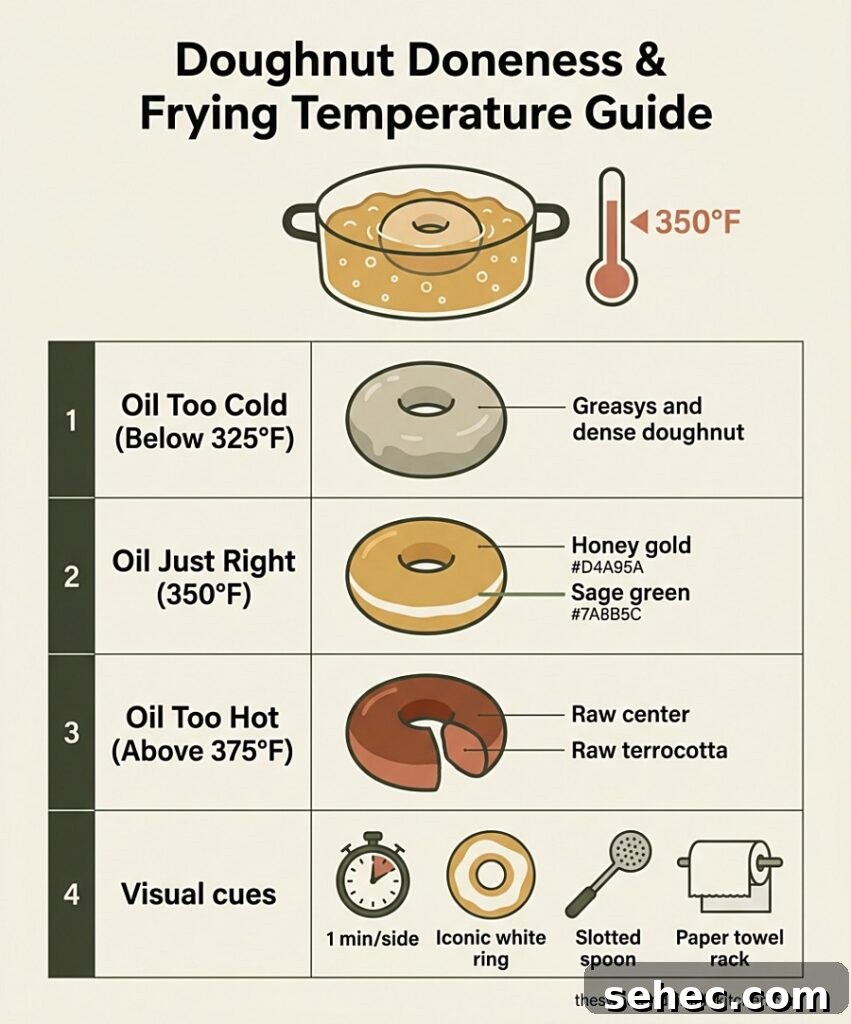
Perfect yeast doughnuts start with a soft, lightly sweetened dough that rises twice: first in the refrigerator, then at room temperature after cutting. Fry them at 350°F for about 1 minute per side, then glaze while they are still slightly warm so the coating sets smooth and glossy.
Table of Contents
Perfect Yeast Doughnuts Recipe At a Glance
| Detail | Info |
|---|---|
| Prep Time | 30 minutes |
| Rising Time | 1 hr 30 min, or overnight |
| Cook Time | 15 minutes |
| Total Time | About 2 hr 15 min active time |
| Servings | 10–12 large doughnuts plus holes |
| Difficulty | Intermediate |
| Calories (approx) | 380 per glazed doughnut |
| Cuisine | American |
Why This Recipe Works
A good homemade doughnut should not feel heavy, oily, or overly sweet. This yeast doughnut recipe works because it focuses on dough structure, proper fermentation, and careful frying temperature. The result is a fluffy homemade doughnut with a golden exterior, soft center, and glossy glaze.
- The sponge gives the dough better flavor. Two packets of yeast are mixed with warm milk, sugar, and flour before the rest of the dough is added. This short pre-ferment becomes bubbly and active, helping the finished doughnuts rise well and develop a gentle yeasty aroma.
- The cold rest improves texture. Refrigerating the dough for at least 1 hour, or up to 12 hours, slows fermentation and relaxes the gluten. This makes the dough easier to roll and gives the finished doughnuts a softer, more developed flavor.
- Bread flour creates height and structure. Bread flour helps the doughnuts puff beautifully in the oil while still staying tender inside. It gives them that bakery-style chew without making them dense.
The double glaze is simple but worth it. A thin vanilla coating seals the doughnut, and the chocolate glaze on top adds a rich, smooth finish.
Ingredients (with my honest notes)
For the Doughnut Dough
- 3 packets (¼ oz each) active dry yeast — active dry yeast works well with the sponge method and gives the dough strong lift during proofing.
- 2 tbsp honey — helps feed the yeast and adds a gentle sweetness to the dough.
- 1 tbsp granulated sugar — used in the sponge to help the yeast activate.
- 1 cup whole milk, warmed to 110°F — whole milk gives the dough richness and tenderness.
- 1 large egg, room temperature — a room-temperature egg blends smoothly into the dough and helps keep the rise steady.
- ¼ cup unsalted butter, melted and cooled slightly — adds flavor and softness without making the dough too heavy.
- 1 tsp pure vanilla extract — gives the dough a warm bakery-style aroma.
- ⅛ tsp ground cinnamon — adds subtle warmth without making the doughnuts taste strongly of cinnamon.
- ⅛ tsp freshly grated nutmeg — a small amount gives the dough that familiar classic doughnut flavor.
- ½ tsp fine salt — balances the sweetness of the dough and glaze.
- 2 ¼ – 2 ½ cups bread flour — start with the smaller amount and add more only as needed. The dough should be soft and slightly tacky.
- Canola or vegetable oil, for frying — use enough to fill your pot with about 2 inches of oil.
For the Vanilla Glaze
- 1 ½ cups icing sugar or powdered sugar
- 2–3 tbsp warm water
- 1 tsp vanilla extract
For the Chocolate Glaze
- 1 ½ cups icing sugar or powdered sugar
- 4 tbsp unsweetened cocoa powder, Dutch-process if available
- 3–4 tbsp warm water
- 1 tsp vanilla extract
Equipment You’ll Need
A stand mixer with a paddle attachment and dough hook makes this recipe much easier, though the dough can also be mixed and kneaded by hand. Because these are fried yeast doughnuts, accurate oil temperature is essential.
- A heavy-bottomed pot or Dutch oven, at least 4 quarts
- A clip-on candy or oil thermometer
- A 3-inch round cutter and a 1-inch round cutter for the centers
- A slotted spoon or spider strainer
- Two parchment-lined baking sheets
- A wire cooling rack set over a sheet pan
Step-by-Step Instructions
Step 1 — Build the Sponge
In the bowl of a stand mixer, whisk together 2 of the 3 packets of yeast, the granulated sugar, ¾ cup of the warm milk, and ¾ cup of the bread flour. The mixture should look like a thick batter. Cover the bowl with plastic wrap and let it sit in a warm place for 30 minutes, until the surface looks foamy and active.
Pro tip: If your kitchen is cool, warm the oven briefly, turn it off, crack the door, and place the covered bowl inside. The goal is a warm, draft-free spot, not a hot one.
Step 2 — Build the Dough
Once the sponge is bubbly, attach the paddle to the mixer. Add the remaining yeast packet, the rest of the milk, honey, egg, melted butter, vanilla, cinnamon, nutmeg, and salt. Mix on medium speed for about 1 minute, or until smooth.
Switch to the dough hook. Add the remaining bread flour a little at a time, mixing until the dough begins to pull away from the sides of the bowl. Knead on medium-high speed for 5 minutes, until the dough becomes smooth, elastic, and slightly tacky.
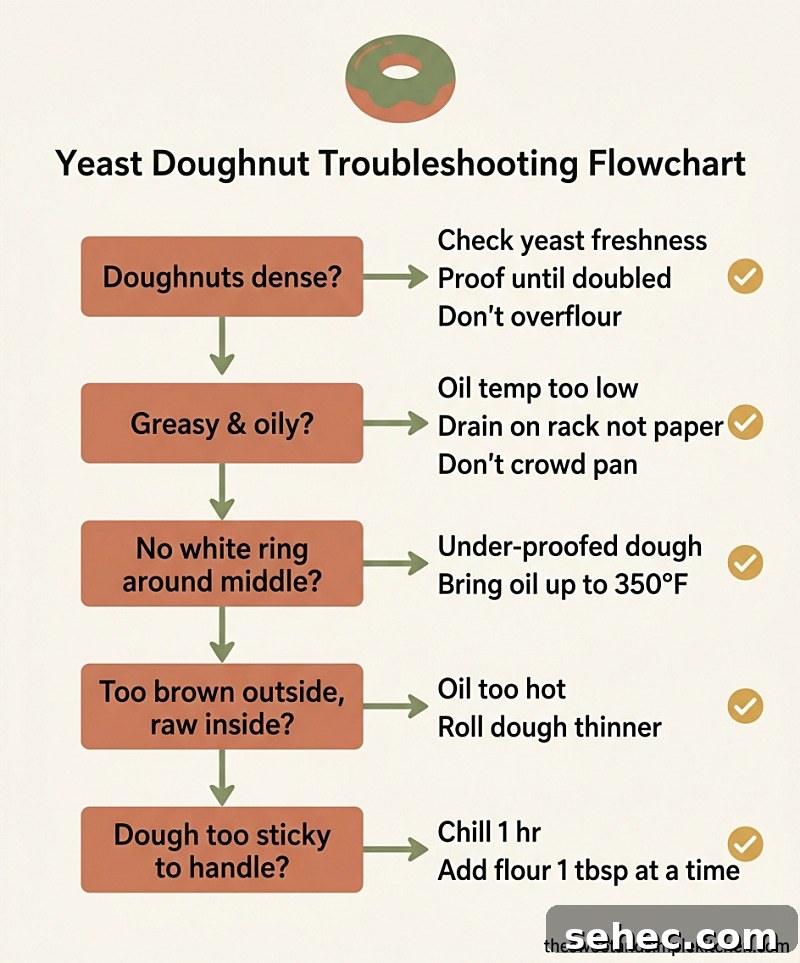
If the dough is very sticky after several minutes, add flour 1 tablespoon at a time. If it looks dry or tears instead of stretching, add a teaspoon of milk. Avoid adding too much flour, since a dry dough can produce heavy doughnuts.
Step 3 — First Rise (Cold)
Turn the dough out of the bowl and shape it into a ball. Place it in a lightly greased bowl, cover tightly with plastic wrap, and refrigerate for at least 1 hour and up to 12 hours. An overnight rest gives the best flavor and makes the dough easier to handle.
Step 4 — Roll, Cut, and Second Rise
Heat 2 inches of canola or vegetable oil in a heavy pot to 350°F. While the oil heats, punch down the chilled dough and turn it onto a lightly floured surface. Roll it to about ¾-inch thickness. This thickness helps the doughnuts puff properly while still cooking through.
Cut the dough with a 3-inch round cutter, then cut out the centers with a 1-inch cutter. Place the doughnuts and doughnut holes on parchment-lined baking sheets. Re-roll the scraps gently and cut more doughnuts if needed.
Cover the cut doughnuts loosely with plastic wrap and let them rise in a warm place for 20–25 minutes, or until they look puffy and nearly doubled. When lightly pressed, the dough should spring back slowly and leave a faint dent.
Step 5 — Fry
Carefully lower 2–3 doughnuts into the hot oil. Do not overcrowd the pot, as too many doughnuts will drop the oil temperature. Fry for about 1 minute per side, or until deep golden brown.
Use a slotted spoon or spider strainer to transfer the fried doughnuts to a wire rack. Let them cool for about 10 minutes before glazing. Fry the doughnut holes for 30–45 seconds total, turning as needed.
Step 6 — Double Glaze
Vanilla glaze: Whisk together the icing sugar, vanilla, and 2 tablespoons of warm water. Add the remaining tablespoon only if needed. The glaze should be smooth and pourable, but not watery.
Dip each doughnut in the vanilla glaze, coating both the top and bottom. Let the excess drip off, then place the doughnuts back on the wire rack for 10 minutes to set.
Chocolate glaze: Whisk together the icing sugar, cocoa powder, vanilla, and 3 tablespoons of warm water. Add the final tablespoon only if the glaze is too thick. It should be glossy and thick enough to cling to the doughnut.
Once the vanilla glaze has set, dip only the top half of each doughnut into the chocolate glaze. Return the doughnuts to the rack and let them set for another 10 minutes.
My 5 Pro Tips After 6 Test Batches
- Measure the flour carefully. Too much flour is one of the fastest ways to make dense doughnuts. If possible, weigh the flour. About 2 ¼ cups bread flour is roughly 280g.
- Use a thermometer for the oil. Oil that is too cool makes greasy doughnuts. Oil that is too hot browns the outside before the center cooks. Keep the oil as close to 350°F as possible.
- Do not skip the cold rest. The cold rise improves flavor and makes the dough easier to roll and cut.
- Glaze the doughnuts while slightly warm. If they are too hot, the glaze melts and slides off. If they are completely cold, the glaze may not settle as smoothly.
- Fry the doughnut holes first. They are small and forgiving, which makes them a good test for oil temperature before frying the full-size doughnuts.
Variations
Once you are comfortable with the basic yeast doughnut dough, you can change the finish to suit the occasion. The dough itself is soft, lightly sweet, and flexible enough for several classic doughnut styles.
- Cinnamon sugar: Skip the glazes and toss the warm doughnuts in 1 cup granulated sugar mixed with 2 tablespoons cinnamon.
- Filled doughnuts: Cut the dough into solid rounds without a center hole. After frying, make a small opening in the side and pipe in pastry cream, lemon curd, or jam.
- Maple bacon: Replace the chocolate glaze with a maple glaze made from icing sugar, maple syrup, and a small amount of water. Sprinkle with cooked, crumbled bacon.
- Cardamom-orange: Add ½ teaspoon ground cardamom and 1 tablespoon orange zest to the dough. Finish with a thin vanilla glaze and a little extra orange zest.
- Apple cider: Replace half of the milk with reduced apple cider for a fall-inspired version with a deeper flavor.
Make-Ahead, Storage & Freezer Notes
Make-ahead: Prepare the dough the night before and let it rise slowly in the refrigerator. In the morning, roll, cut, proof, fry, and glaze. Fresh-fried doughnuts always have the best texture.
Storage: Glazed doughnuts are best the day they are made. After several hours, they begin to soften and the glaze may lose its smooth finish. Store leftovers in a single layer in an airtight container at room temperature for up to 24 hours. Do not refrigerate them, as the cold can dry them out.
Freezing: Freeze unglazed doughnuts only. Cool them completely, freeze in a single layer on a sheet pan, then transfer to a freezer bag for up to 1 month. Thaw at room temperature, warm briefly in a 300°F oven, and glaze fresh.
Reheating: A very short microwave warm-up can soften a day-old doughnut. Heat for only a few seconds so the glaze does not completely melt.
Serving Suggestions
These homemade yeast doughnuts are rich enough to stand on their own, especially when served warm with a fresh glaze. For brunch, dessert, or a weekend breakfast spread, they pair well with simple drinks and lighter sides.
- Strong hot coffee
- Cold whole milk
- Fresh berries
- Simple cookies for a dessert table
- Banana bread and fresh fruit for a larger breakfast spread
If serving these for guests, glaze them shortly before serving so the surface stays smooth and glossy.
Common Mistakes & How to Fix Them
- Doughnuts came out dense and bready. The yeast may have been inactive, the dough may have too much flour, or the second rise may have been too short. The cut doughnuts should look puffy before frying.
- Doughnuts tasted greasy. The oil was likely too cool. Let the oil return to 350°F between batches before adding more doughnuts.
- No pale ring formed around the middle. This usually means the doughnuts were under-proofed, the oil was too cool, or both. Properly proofed doughnuts should float high in the oil.
- Doughnuts puffed and then collapsed. They may have over-proofed. Watch the second rise carefully and fry when the dough is airy but still strong enough to hold its shape.
- Glaze ran off the doughnuts. The doughnuts were probably too hot. Let them cool for about 10 minutes before dipping.
- Doughnuts were tough or chewy. The dough may have been over-kneaded or over-floured. Stop kneading when it is smooth, elastic, and slightly springy.
FAQ
Can I make these doughnuts without a stand mixer?
Yes. Mix the sponge in a large bowl, then add the remaining ingredients and stir with a wooden spoon until a shaggy dough forms. Turn the dough onto a lightly floured surface and knead by hand for 10–12 minutes, or until smooth and elastic.
Can I bake these instead of frying?
You can bake them, but the texture will be different. Fried doughnuts have a crisp outer layer and a soft, airy interior. Baked doughnuts made from this dough will be closer to a soft roll. To try it, bake at 375°F for 8–10 minutes, brush with melted butter, and glaze.
Can I use instant yeast instead of active dry?
Yes. Use the same amount of instant yeast and mix it directly into the dough ingredients. You can skip the 30-minute sponge step, though the flavor may be slightly less developed.
How long do homemade yeast doughnuts last?
They are best within 6 hours of frying. They can be stored at room temperature in an airtight container for up to 24 hours, but the texture and glaze are best when fresh.
Why did my doughnuts come out dense and not fluffy?
Dense doughnuts are usually caused by inactive yeast, too much flour, or not enough proofing time. Make sure the yeast foams during the sponge stage, keep the dough soft, and let the cut doughnuts rise until visibly puffy.
Can I freeze the dough instead of finished doughnuts?
Yes. After the cold rise, punch down the dough, wrap it tightly in plastic, and freeze for up to 1 month. Thaw overnight in the refrigerator, let it sit at room temperature for about 30 minutes, then roll, cut, proof, and fry.
What’s the ideal oil temperature for frying doughnuts?
350°F. If the oil is too cool, the doughnuts absorb more oil. If it is too hot, the outsides brown before the centers cook. Check the temperature often and adjust the heat between batches.
Can I use all-purpose flour instead of bread flour?
Yes. All-purpose flour will produce a slightly more tender doughnut with a little less height. Bread flour gives a taller, chewier, bakery-style result.
The Bottom Line
If you want a reliable homemade yeast doughnuts recipe, this one delivers soft centers, golden edges, and a beautiful double glaze. The sponge builds flavor, the cold rest improves the dough, and careful frying at 350°F gives the best texture. Make the dough ahead, fry the doughnuts fresh, and glaze them while they are still slightly warm for the best result.
These perfect yeast doughnuts are ideal for a weekend baking project, a brunch table, or any morning that deserves something special. Choose vanilla glaze, chocolate glaze, or both for a classic bakery-style finish.
Happy frying.