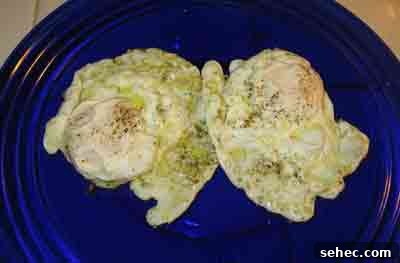
Greek Fried Eggs with Runny Yolks and Perfectly Set Whites
For the longest time, I could make a beautiful omelet, but frying an egg properly felt almost impossible. The yolk would break, the whites would stay too loose, or I would try to flip the egg and ruin the whole thing. Thankfully, Zoe showed me how to fry eggs the way her mama does, and it changed everything. This simple Greek-style method makes fried eggs with tender, fully cooked whites and rich, runny yolks, without the stress of flipping them.
The secret is basting. Instead of turning the eggs over, you spoon hot oil over the top while they cook. The heat from the oil gently sets the whites, including the delicate white around the yolk, while the yolk stays soft and runny. If you love fried eggs but hate the risk of breaking the yolk, this is the technique you want. It is simple, practical, and perfect when served with bread for dipping.
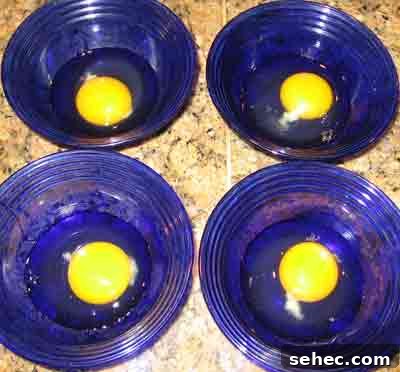
Start by heating oil in a frying pan until it is very hot. Do not use just a tiny film of oil for this method. You need enough hot oil to spoon over the eggs as they cook. That hot oil is what finishes the top of the eggs without requiring you to flip or turn them. If you are worried about breaking the yolks, crack each egg into a small bowl first. Then gently slide the eggs from the bowls into the hot oil. This extra step gives you more control and helps keep the yolks whole.
If the oil is hot enough, the eggs should begin to sizzle and bubble as soon as they touch the pan. That immediate sound is a good sign. The edges will begin to cook quickly, and the whites will start turning opaque. Keep the heat steady and stay close to the pan, because fried eggs cook quickly.
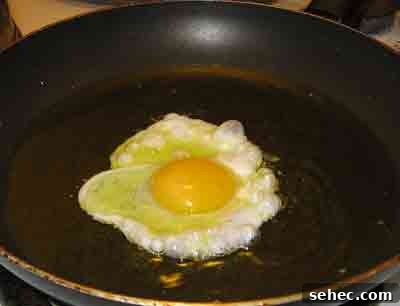
Once the eggs are in the pan, begin spooning the hot oil over them. Use a spoon to gather oil from the pan and carefully drizzle it over the whites and around the yolks. This is the most important part of the recipe. The hot oil cooks the top layer of the egg while the bottom continues to fry. There is no need to flip the egg, which means there is much less chance of breaking the yolk.
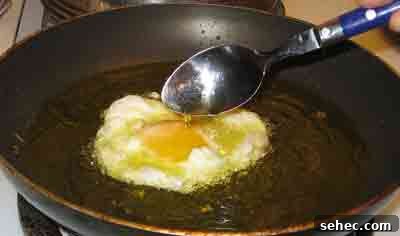
For my taste, the ideal fried egg has whites that are set but not overcooked, with a yolk that stays beautifully runny. As soon as the whites look firm enough and the top of the egg is lightly cooked, I remove it from the pan. This gives me the kind of fried egg I love: soft in the center, rich, and perfect for dragging a piece of bread through the yolk.
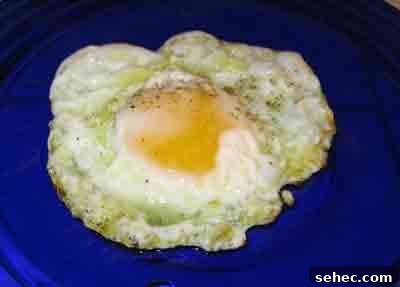
Mama and Zoe prefer their eggs cooked a little longer. They still want the yolks to be runny, but their main concern is that the whites are completely firm and set, including the white on top of the yolk. To get that result, simply continue basting for a few extra seconds. Keep spooning the hot oil over the eggs until the whites no longer look loose or translucent.
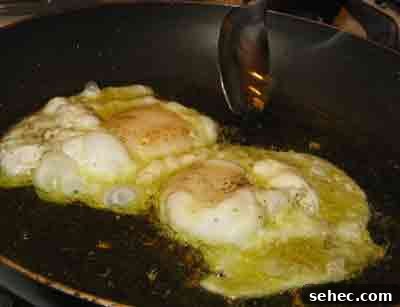
This is where the method really shines. A few seconds can make the difference between a softer egg and one with fully set whites. Watch closely and adjust the timing to your preference. If you like a very soft fried egg, remove it sooner. If you want the whites firmer, keep basting a little longer. Either way, the yolk can remain unbroken and runny because the egg never has to be turned over.
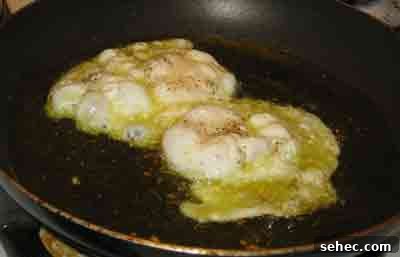
When the eggs are done, lift them carefully from the pan and serve them right away. These Greek fried eggs are best eaten hot, while the yolks are still soft and the whites are freshly cooked. Bread is essential, because the runny yolk and hot oil make the simplest, most satisfying combination. The result is a humble but delicious fried egg: crisp at the edges, set on top, and soft in the middle.