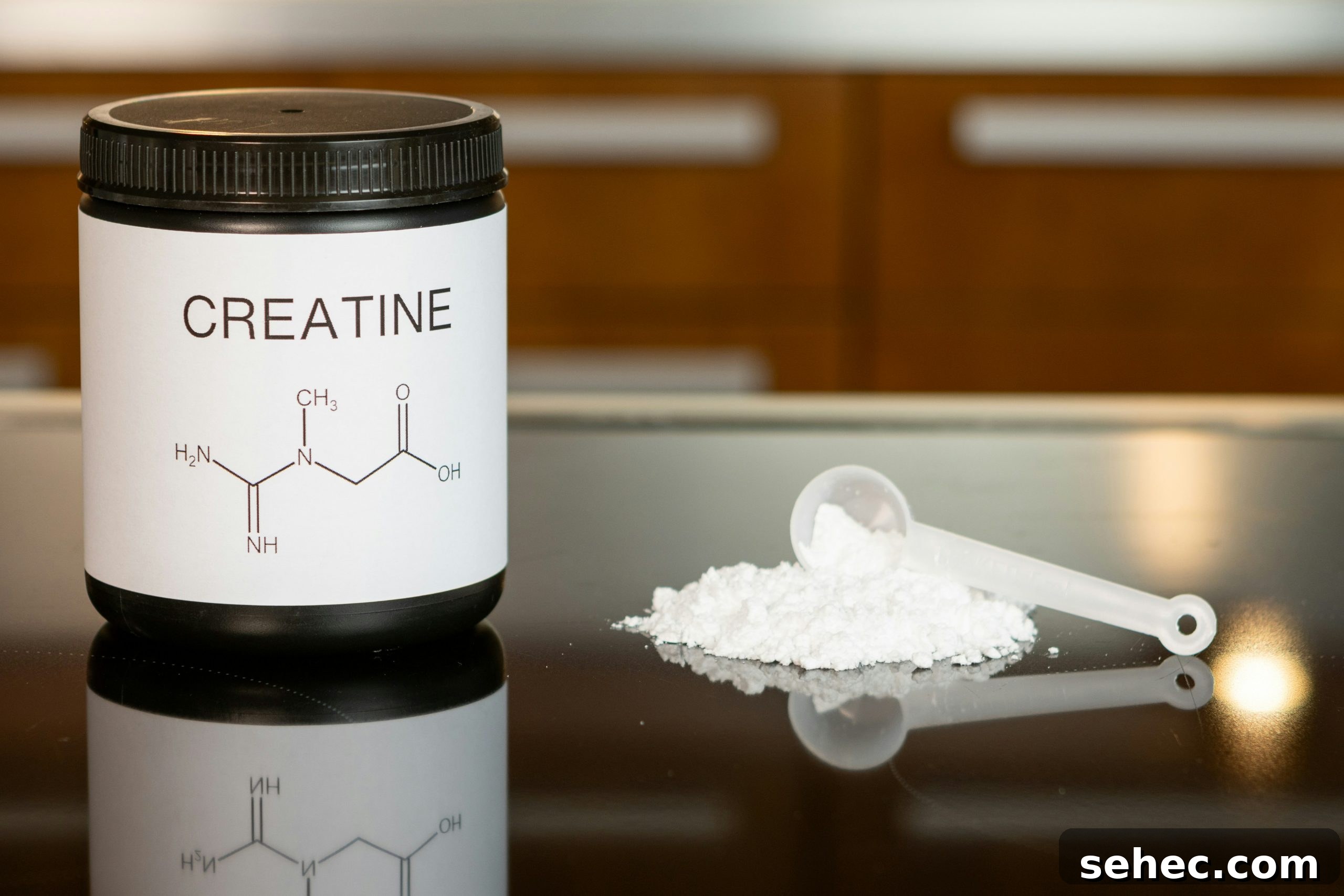
Creatine Is Not Just for Athletes: Why Women in Their 30s, 40s, Menopause, and Beyond Are Talking About It
Creatine has become one of the most talked-about supplements for women, and for good reason. It is no longer being viewed only as something for bodybuilders, competitive athletes, or people trying to gain serious muscle. More women are now asking whether creatine can support energy, strength, brain health, mood, metabolism, and healthy aging.
The questions usually sound the same: Is creatine safe for women? Do you need to work out to take it? Will it make you bulky? Does creatine cause bloating or water retention? Is it useful during perimenopause or menopause? These are fair questions, especially because creatine has been surrounded by outdated myths for years.
The truth is that creatine is one of the most researched supplements available, and the evidence behind it goes far beyond gym performance. It may be especially helpful for women as they move through different life stages, including the years when muscle mass, metabolism, sleep, mood, and mental clarity can begin to shift.
What Is Creatine?
Creatine is a natural compound made by the body from amino acids. It is stored mostly in the muscles, where it helps produce quick energy in the form of ATP, often described as the body’s energy currency. Your body makes some creatine on its own, and you can also get small amounts from foods such as meat and fish.
However, the amount found in food is usually not enough to fully saturate your body’s creatine stores or provide the benefits seen in many studies. Supplementing with creatine helps top up those natural stores, allowing your muscles, brain, and recovery systems to work more efficiently.
Creatine does not automatically make women bulky. That is one of the biggest misconceptions about it. Building significant muscle size requires specific training, nutrition, hormones, and consistency over time. Creatine supports strength and energy, but it does not suddenly change your body into that of a bodybuilder.
Why Creatine Matters for Women in Midlife
Creatine is getting more attention from women because its benefits are relevant to everyday health, not just athletic performance. This is especially true after 40, when changes in muscle mass, metabolism, hormones, and cognition become more noticeable for many women.
- Muscle and metabolism support. As women age, they naturally begin to lose muscle mass, a process known as sarcopenia. This can also affect metabolic rate, strength, posture, and overall function. Creatine supports muscle performance and may help women maintain strength and lean tissue over time, especially when paired with regular movement or resistance training.
- Brain health and mental clarity. The brain uses a large amount of energy, and creatine plays a role in cellular energy production. Research suggests creatine may support memory, focus, and cognitive function. This is particularly interesting for women in perimenopause and menopause, when brain fog is commonly reported.
- Mood and stress resilience. Creatine is involved in brain energy metabolism and may influence systems connected to mood regulation. Some research has explored links between creatine status, mood, and anxiety. For women managing hormonal shifts, stress, and busy daily life, this is an area worth paying attention to.
- Recovery and fatigue. For women who exercise, creatine may support better recovery, reduced soreness, and improved training output. Even for those who are not following a structured workout plan, creatine may help support general energy and reduce feelings of fatigue.
- Sleep-related recovery. Emerging research suggests creatine may help the brain cope with periods of insufficient or disrupted sleep. Since sleep challenges are common during stressful seasons, postpartum periods, perimenopause, and menopause, this benefit is especially relevant.
Creatine Across Different Life Stages
One reason creatine is so interesting for women is that it may be useful across multiple life stages. Women in their menstrual years may benefit from creatine for energy, exercise performance, strength, and mood support around the cycle. Women under 40 can also benefit, especially if they want to support muscle, recovery, and cognitive performance.
During pregnancy, some research has explored creatine in relation to fetal development, but this is not a reason to start supplementing without medical guidance. If you are pregnant, trying to conceive, or breastfeeding, always speak with your healthcare provider before taking any supplement.
After pregnancy, creatine may support the process of rebuilding strength and muscle. In perimenopause and menopause, it becomes particularly relevant because women are more likely to experience changes in body composition, reduced muscle mass, lower energy, brain fog, and slower recovery. Creatine is not a cure-all, but it can be a steady form of support for muscles, metabolism, and mental clarity.
Do You Need to Work Out to Take Creatine?
No, you do not have to be working out intensely to benefit from creatine. It is best known for improving exercise performance and strength, but its potential benefits for brain health, energy, and mood are not limited to athletes.
That said, creatine works especially well alongside movement. If taking it helps you feel a little stronger, more energetic, or more motivated to exercise, that is a meaningful bonus. Resistance training, walking, mobility work, and other forms of regular movement can all complement the benefits of creatine.
How Much Creatine Should Women Take?
The most recommended form is creatine monohydrate. It is the most studied form, widely available, effective, and usually more affordable than specialty blends. There is generally no need for complicated formulas or expensive versions.
For general health, strength, and muscle support, a common daily dose is 3–5 grams per day. For women focusing more specifically on brain health and mental clarity, some research has looked at slightly higher intakes, such as 5–8 grams per day. The best approach is consistency. Creatine works by gradually building up your body’s stores over time.
You do not need to do a loading phase. Older advice often recommended taking large doses, such as 20 grams or more per day for the first week. That approach may increase the chance of digestive discomfort and is not necessary for most people. Taking a moderate daily dose consistently will still increase creatine stores over a few weeks.
Timing is flexible. You can take creatine in the morning, with a meal, after a workout, or mixed into a smoothie. It has very little taste and is easy to add to a daily routine.
Does Creatine Cause Bloating or Water Retention?
This is one of the most common concerns women have about creatine. The answer is more nuanced than a simple yes or no.
Creatine does pull water into muscle cells. This is part of how it works. Hydrated muscle cells are stronger, more resilient, and better able to recover. Because of this, some women may notice a small increase on the scale during the first week or two, often around 1–3 pounds. This can feel alarming, but it is usually water stored inside the muscles, not fat gain.
This is different from the kind of bloating or puffiness that makes you feel swollen around the belly, face, or hands. That type of water retention is usually related to other factors, such as sodium intake, hormonal fluctuations, digestion, inflammation, or gut health. Creatine is often blamed for bloating, but true puffiness from creatine is less common than many people think.
Some women may experience mild digestive discomfort when they first start, especially if they take too much at once or take it on an empty stomach. If that happens, try starting with 2–3 grams per day, take it with food, and make sure you are drinking enough water. Most digestive sensitivity settles as the body adjusts.
My Take on Creatine for Women
Creatine is one of the most well-researched supplements available, with a strong safety profile for many people and benefits that are especially relevant for women. It is not a quick fix, and it will not create dramatic overnight changes. Instead, it works quietly and consistently to support muscle function, energy production, recovery, and potentially cognitive health.
If you are in your 40s or beyond, creatine is worth considering as part of a healthy aging routine. If you are younger, it may still be useful for energy, performance, mood, and long-term muscle support. And if you have avoided it because you thought it was only for gym-focused men, it may be time to reconsider.
As always, if you take medication, have kidney disease, are pregnant or breastfeeding, or have any underlying health condition, speak with your healthcare provider before starting a new supplement.
Creatine is easy to mix into smoothies, and it blends well without changing the flavor. Here are two smoothie ideas that pair well with a daily creatine routine.

Arabian Morning Smoothie
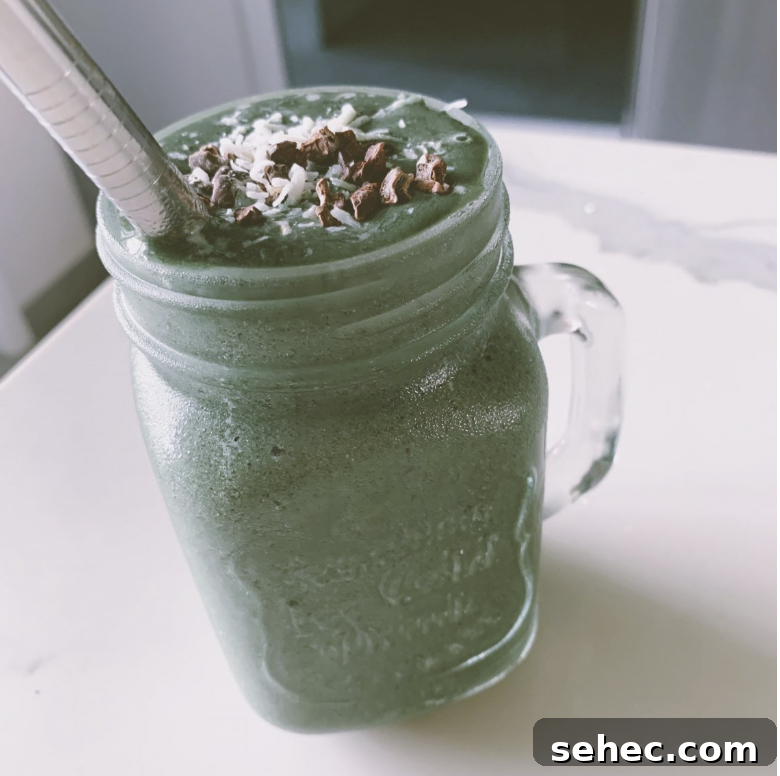
Chocolate Covered Strawberries Smoothie