
Are green smoothies good for you, or can green smoothies be bad for your health? Here is a clear look at the benefits, possible side effects, and how to enjoy them in a balanced way.
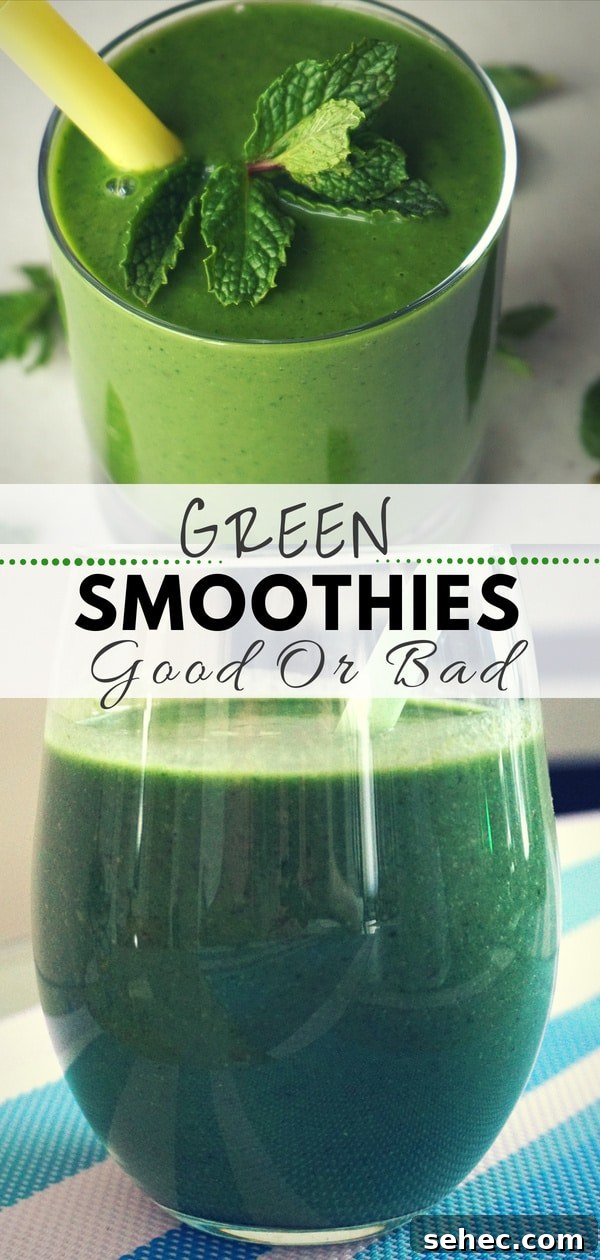
Green smoothies have become a daily habit for many people who want an easy way to eat more leafy greens, fiber, and plant-based nutrients. At the same time, some people worry that green smoothies may cause health problems because certain greens contain oxalates. This concern is especially common among people dealing with chronic digestive issues, candida overgrowth, kidney stone concerns, or food sensitivities.
The truth is more balanced than simply saying green smoothies are healthy or unhealthy. For many people, a well-made green smoothie can be a nourishing addition to the diet. For others, especially those with impaired digestion or oxalate sensitivity, the ingredients and frequency may need to be adjusted. Understanding how oxalates work, how your gut handles them, and how to build a better smoothie can help you make the right choice for your body.
Green Smoothie Side Effects
Oxalate is an organic acid found in many plant foods. It can also be produced by certain fungi, including mold and candida, and it may be synthesized in the body. Foods rich in oxalates are not automatically harmful, but they can become a concern when the body has difficulty processing and eliminating them.
Under normal circumstances, a healthy gut microbiome helps break down oxalates and reduces the amount absorbed into the body. When digestion is strong, stomach acid, enzymes, bile flow, and beneficial bacteria all play a role in keeping this process balanced. However, chronic gut problems, low beneficial bacteria, inflammation, or a damaged intestinal lining may make it harder for the body to manage oxalate buildup.
When oxalates are not handled well, they may contribute to irritation and inflammation in sensitive individuals. Some people with oxalate sensitivity report symptoms such as bladder irritation, pain with urination without infection, vulvar discomfort, body aches, fibromyalgia-like pain, mood changes, or general irritability. These symptoms can have many causes, so it is important not to assume oxalates are the only explanation.
Oxalates can also bind to minerals such as calcium and magnesium. In some cases, this may affect mineral availability, especially if the overall diet is already low in essential nutrients. People who are prone to kidney stones or who have been advised to follow a low-oxalate diet should be especially mindful of high-oxalate greens, such as spinach, and should speak with a qualified health professional before making major diet changes.
The important point is that oxalate issues often reflect a bigger picture. Digestion, elimination, hydration, mineral balance, gut bacteria, and overall food quality all matter. Instead of blaming leafy greens alone, it is more useful to look at the internal environment and support better digestion and gut health.
Related: Anti-inflammatory Juice Recipe for Whole Body Health
Are Green Smoothies Really Bad For You?
Green smoothies are not bad for everyone. Most plant foods contain some antinutrients, including oxalates, phytates, or tannins, but they also provide vitamins, minerals, antioxidants, water, and fiber. The goal is not to avoid every food that contains an antinutrient. The goal is to choose foods wisely and prepare them in a way your body can tolerate.
For a person with healthy digestion, moderate amounts of leafy greens in a smoothie are usually not a problem. The bigger issue is often the way green smoothies are made. Many store-bought smoothies contain large amounts of fruit, fruit juice, sweetened plant milks, syrups, or artificial sweeteners. These can turn a green drink into a high-sugar beverage, which may aggravate cravings, blood sugar swings, yeast overgrowth, and digestive discomfort in some people.
A better green smoothie is simple, balanced, and not overly sweet. It should include leafy greens, enough liquid to blend smoothly, a small amount of fruit if desired, and a source of healthy fat or protein to support satiety and nutrient absorption. Avocado, hemp seeds, chia seeds, flaxseed, or a clean protein option can make a smoothie more satisfying and less likely to spike hunger soon afterward.
If you are sensitive to oxalates, you may still be able to enjoy green smoothies by rotating your greens and choosing lower-oxalate options more often. Instead of using spinach every day, try greens such as romaine lettuce, kale, bok choy, watercress, or herbs in smaller amounts, depending on your tolerance. Variety helps reduce the chance of overloading your system with the same compounds repeatedly.
For people with chronic gut concerns, it may also be helpful to reduce other high-oxalate foods first, such as large amounts of cocoa products, soy products, certain grains, coffee, black tea, or other foods that personally trigger symptoms. In many cases, an unsweetened green smoothie made with anti-inflammatory ingredients every other day may be easier to tolerate than a daily smoothie packed with spinach and fruit juice.
Solutions To Balance Your Oxalate Levels:
- Lower oxalate intake gradually instead of removing high-oxalate foods all at once, especially if you are sensitive.
- Focus on a gut-supportive diet and reduce processed foods, refined sugar, and sweetened drinks.
- Use preparation methods such as boiling and discarding the water, soaking, or roasting when appropriate to reduce oxalate content in some foods.
- Include enough calcium and magnesium from tolerated foods or supplements if recommended by a professional.
- Support a healthy gut microbiome with fermented foods or probiotics if they work well for you.
- Consider vitamin B6 only when appropriate, as it plays a role in oxalate metabolism.
- Use digestive enzymes if you have been advised to do so and they improve your digestion.
- Drink enough pure water throughout the day to support elimination and hydration.
Green Smoothie Benefits:
- Leafy greens can provide minerals such as calcium and magnesium. When calcium is consumed with oxalate-containing foods, it can bind to oxalic acid in the intestine and help reduce absorption.
- Green smoothies are usually rich in fiber, especially when whole fruits and vegetables are blended instead of juiced. Fiber supports regular bowel movements and healthy elimination.
- Dark leafy greens contain chlorophyll and a range of plant compounds that contribute to a nutrient-dense diet.
- Greens are naturally high in antioxidants, which help support overall wellness and may reduce cravings when they replace sugary snacks or drinks.
- A balanced green smoothie can be a convenient way to add more vegetables to your day, especially when you struggle to eat enough salads or cooked greens.
Green Smoothies With Super Greens
If fresh greens are not always practical, a high-quality greens powder can be an occasional option. Some blends include grasses, dark leafy vegetables, herbs, algae, sea vegetables, enzymes, or probiotics. These powders should not replace whole vegetables completely, but they can be useful when you are traveling, short on time, or unable to keep large amounts of fresh produce at home.
When using super greens, start with a small serving to test your tolerance. Some people react to concentrated powders, especially if they contain many ingredients. Choose simple, unsweetened blends when possible, and avoid products with artificial flavors, added sugars, or unnecessary fillers. You can also add soothing ingredients such as inner leaf aloe juice if tolerated, along with a healthy fat such as avocado or hemp oil to support the absorption of fat-soluble vitamins.
In the end, green smoothies can be either helpful or irritating depending on your ingredients, portion size, digestive health, and personal tolerance. A glass of greens made with whole foods is usually a better choice than a sugar-filled milkshake or a smoothie loaded with sweeteners. Keep it simple, rotate your greens, avoid excess fruit juice, and listen carefully to how your body responds.
Healthy Smoothies To Try
Dairy-Free Breakfast Smoothies That Keep You Full
Healthy Plant Based Smoothies – Dairy Free
4 Anti-Inflammatory Green Smoothie Recipes
Related Articles:
What Is The Best Diet For Healing Chronic Illnesses
The Secret of Good Digestion – Food Combining
What Is Causing Your Allergies / Natural Alternatives As Treatment