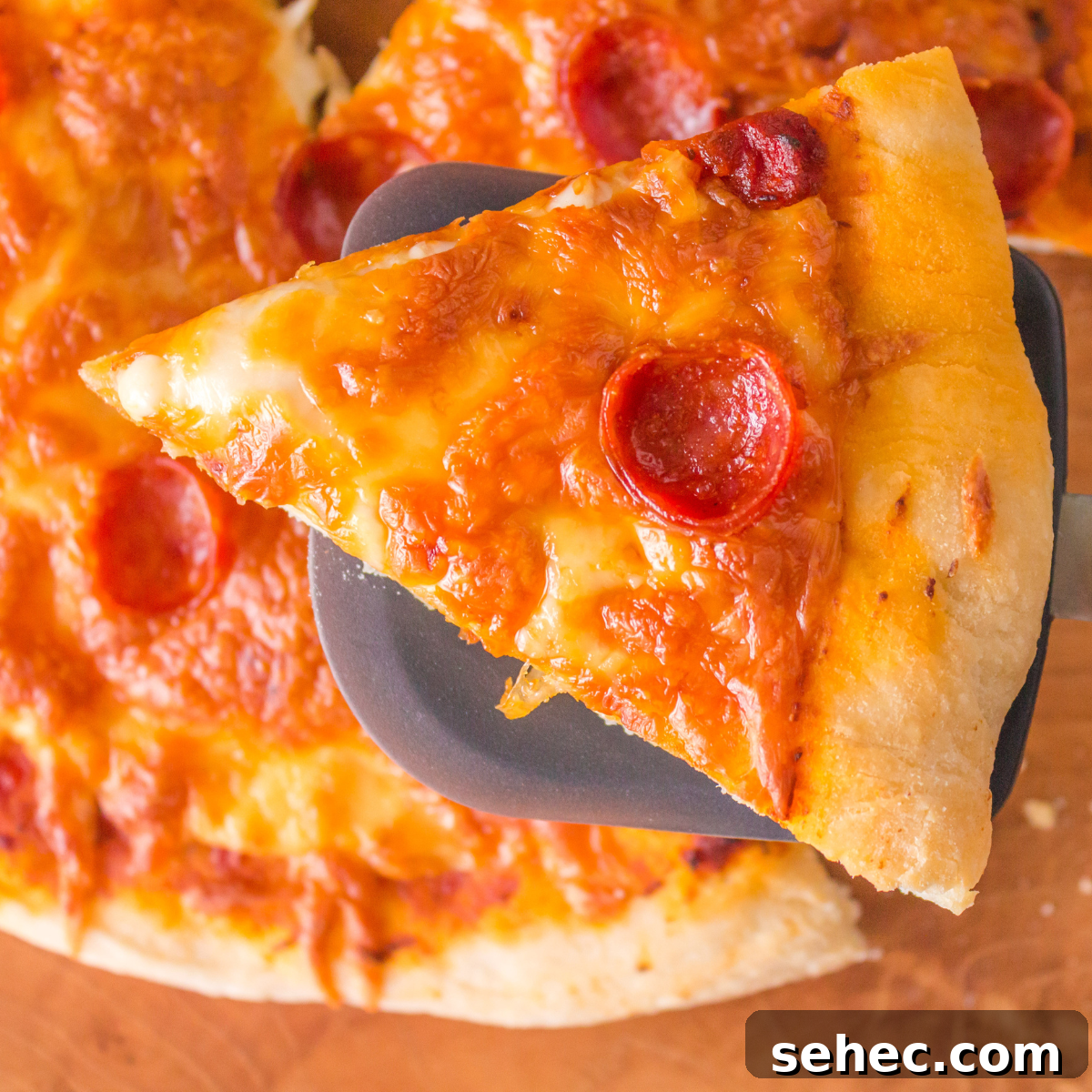
Prep Time: 15 minutes | Rise Time: 2 hours 30 minutes | Bake Time: 12–14 minutes | Total Time: about 3 hours Makes: 1 large 24-inch pizza, two 12-inch pizzas, or four 6-inch individual pizzas
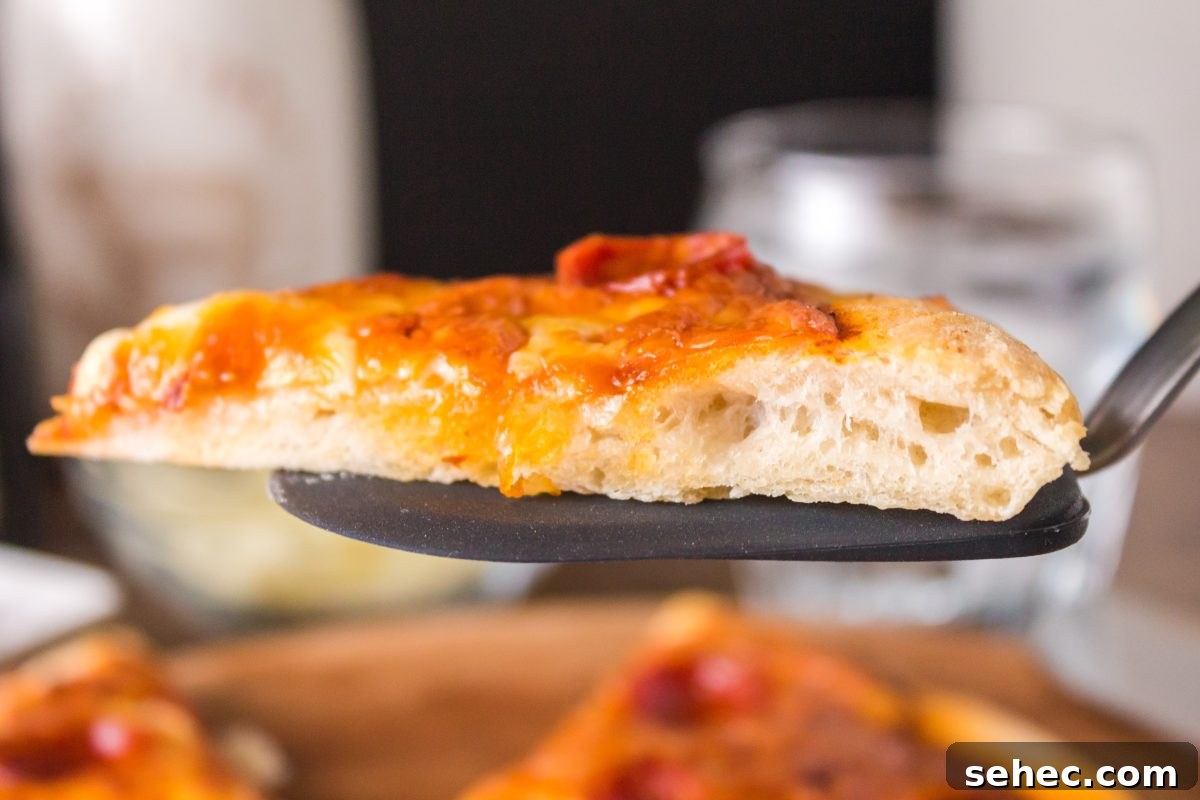
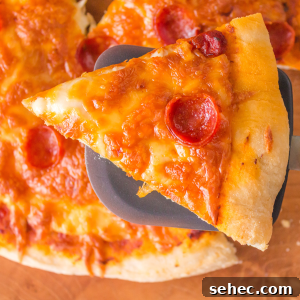
If you keep a sourdough starter on your counter or in your refrigerator, this sourdough pizza crust is a delicious way to put it to work. The crust bakes up crisp around the edges, tender and chewy in the center, and full of the gentle tangy flavor that makes sourdough so special. It is sturdy enough for classic pepperoni, vegetables, extra cheese, or any favorite pizza toppings you like.
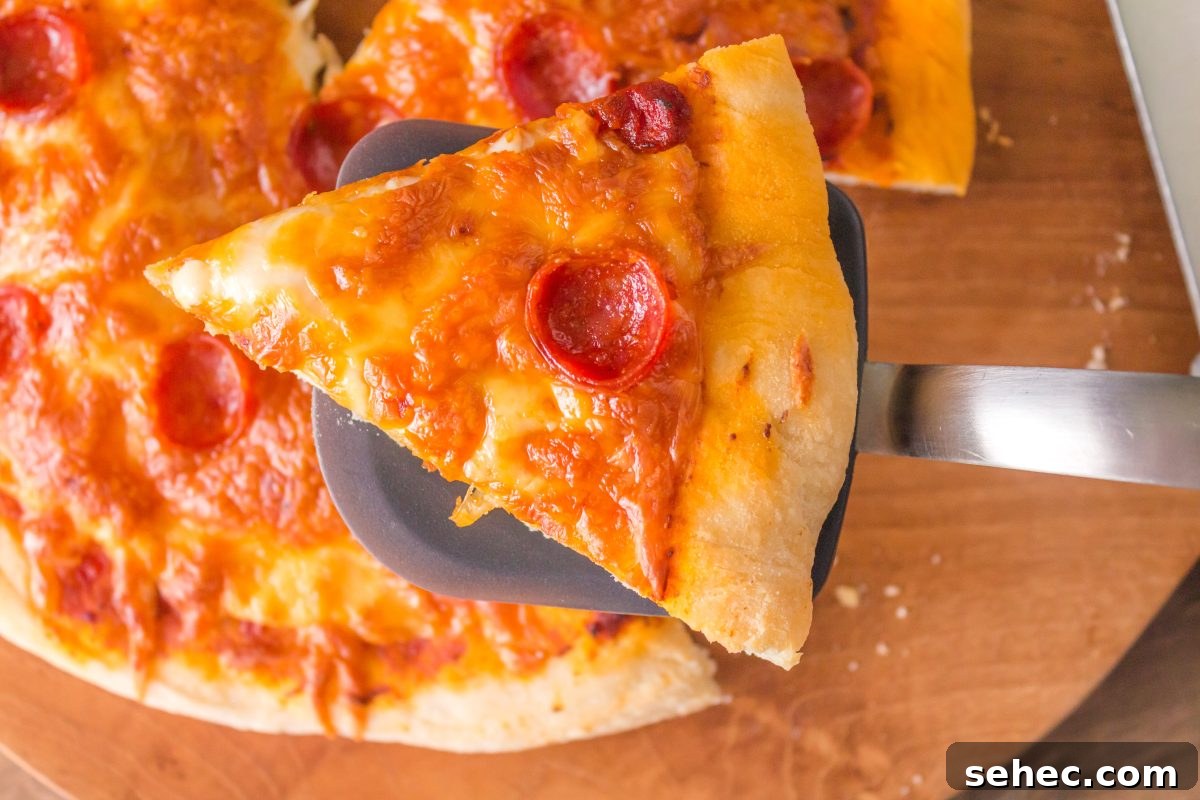
This homemade pizza dough uses only five basic ingredients: active sourdough starter, warm water, flour, salt, and olive oil. The process is simple, but the dough does need time to rise and develop structure. A little patience gives you a flavorful pizza crust that tastes homemade in the best possible way.
Why You’ll Love This Sourdough Pizza Dough
Homemade pizza night always feels special, and a great crust makes all the difference. This sourdough pizza dough gives you a crisp bottom, a chewy bite, and a deep flavor that is hard to get from regular pizza dough made with commercial yeast.
Because this recipe uses an active sourdough starter, the dough rises naturally while gaining that mild, tangy sourdough character. It works well for one large pizza, two medium pizzas, or smaller personal pizzas, making it flexible for family dinners, gatherings, or meal prep.
Once you learn the simple stretch-and-fold method, this recipe becomes easy to repeat. The dough is soft and slightly sticky at first, but it becomes smoother, airier, and easier to handle as it rests.
What’s the Difference Between Active Starter and Sourdough Discard?
For this sourdough pizza crust recipe, use an active, fed sourdough starter. That means the starter has been fed recently, usually within the last 24 hours, and looks bubbly, lively, and slightly foamy. It should have a fresh, tangy aroma and enough strength to help the dough rise.
Sourdough discard is the portion removed before feeding a starter. It can be useful in many recipes, but it is not as active as a fed starter. If you use discard here, the dough will not rise the same way and the finished crust may be flatter and less chewy.
For the best texture, use a starter that is at or near its peak. If your starter looks weak or has not been fed in a while, feed it first and wait until it becomes bubbly before mixing the dough.
Ingredients for Sourdough Pizza Crust
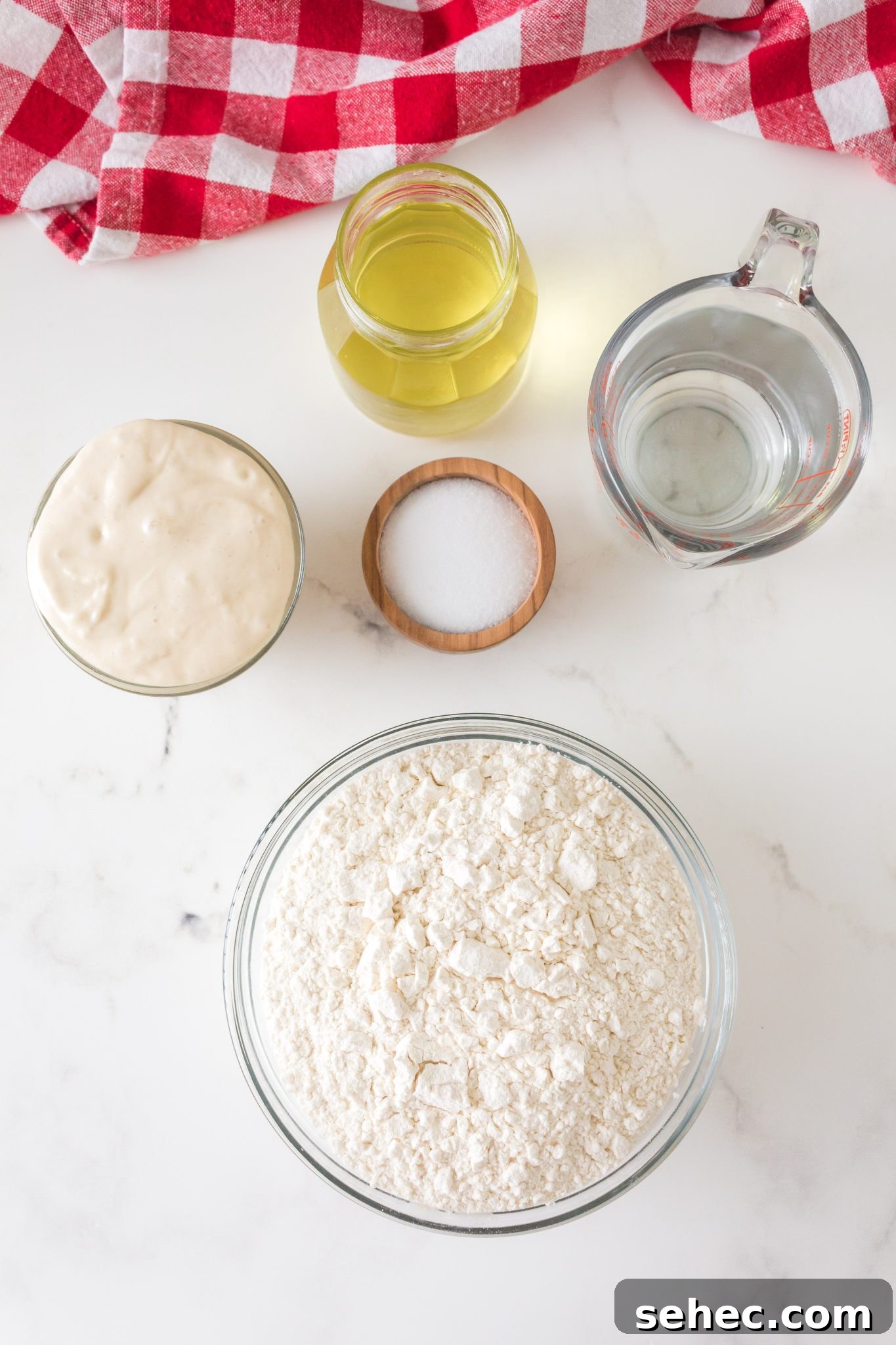
Full measurements are included in the recipe card below.
Active Sourdough Starter — This is what gives the dough its rise and signature sourdough flavor. Use a starter that is bubbly and recently fed.
Warm Water — Water between 90–95°F helps wake up the starter without overheating it. Water that is too hot can weaken the natural yeast.
All-Purpose Flour — Unbleached all-purpose flour works well for this recipe. Bread flour can also be used in the same amount if you prefer a slightly chewier crust.
Salt — Salt brings out the flavor in the dough and helps the crust taste balanced. Kosher salt, fine sea salt, or table salt can be used.
Olive Oil — Olive oil adds richness and helps the crust bake with a golden, lightly crisp bottom.
Pro Tips for the Perfect Sourdough Pizza Crust
Use a lively starter. A strong starter gives the dough better lift. If you are unsure, place a small spoonful of starter in water. If it floats, it is usually ready to use.
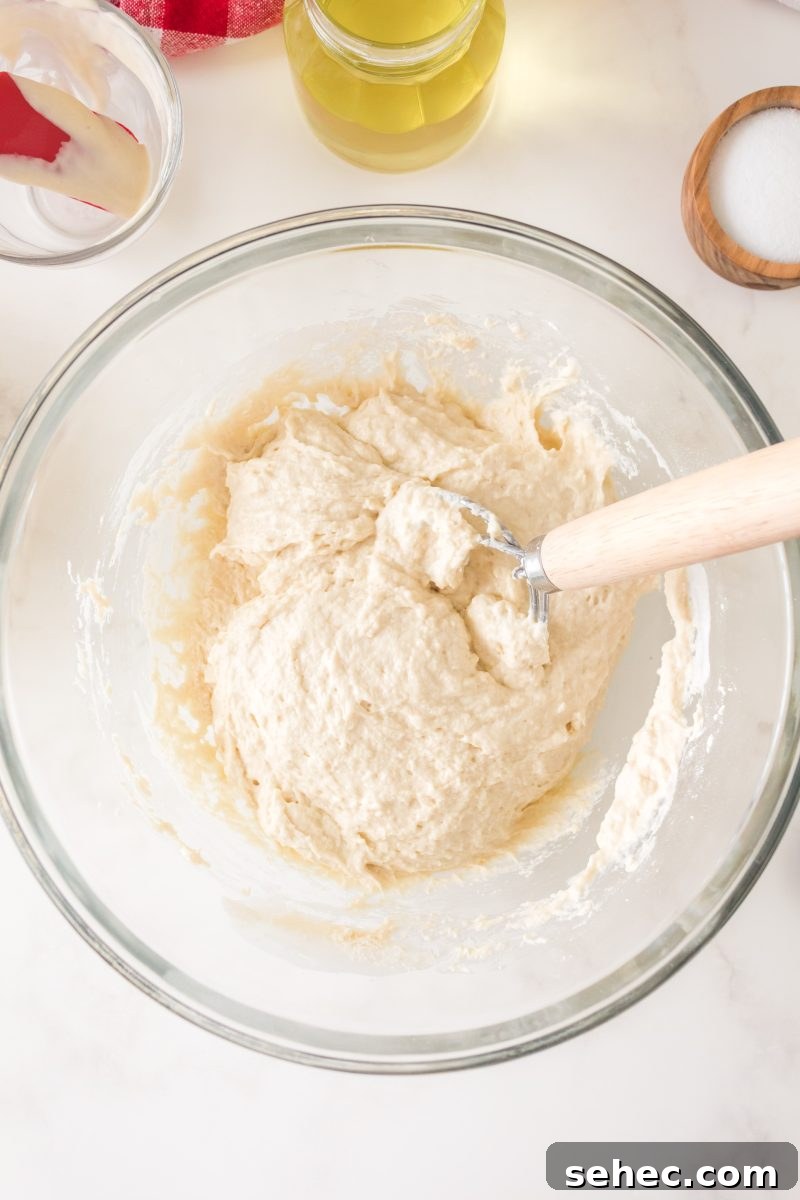
Expect a sticky dough. Sourdough pizza dough is wetter than many standard doughs. Avoid adding too much extra flour while mixing, or the crust may become tough.
Do not skip the rests. The rise periods and stretch-and-fold steps build strength in the dough and help create a chewy, airy crust.
Flour the work surface before shaping. A light coating of flour on your counter and rolling pin makes the dough easier to roll and transfer.
Preheat the oven well. A hot 425°F oven helps the crust bake quickly and develop a crisp base. If you use a pizza stone or baking steel, preheat it with the oven.
How To Make Sourdough Pizza Crust Step by Step
Step 1: Mix Starter and Water
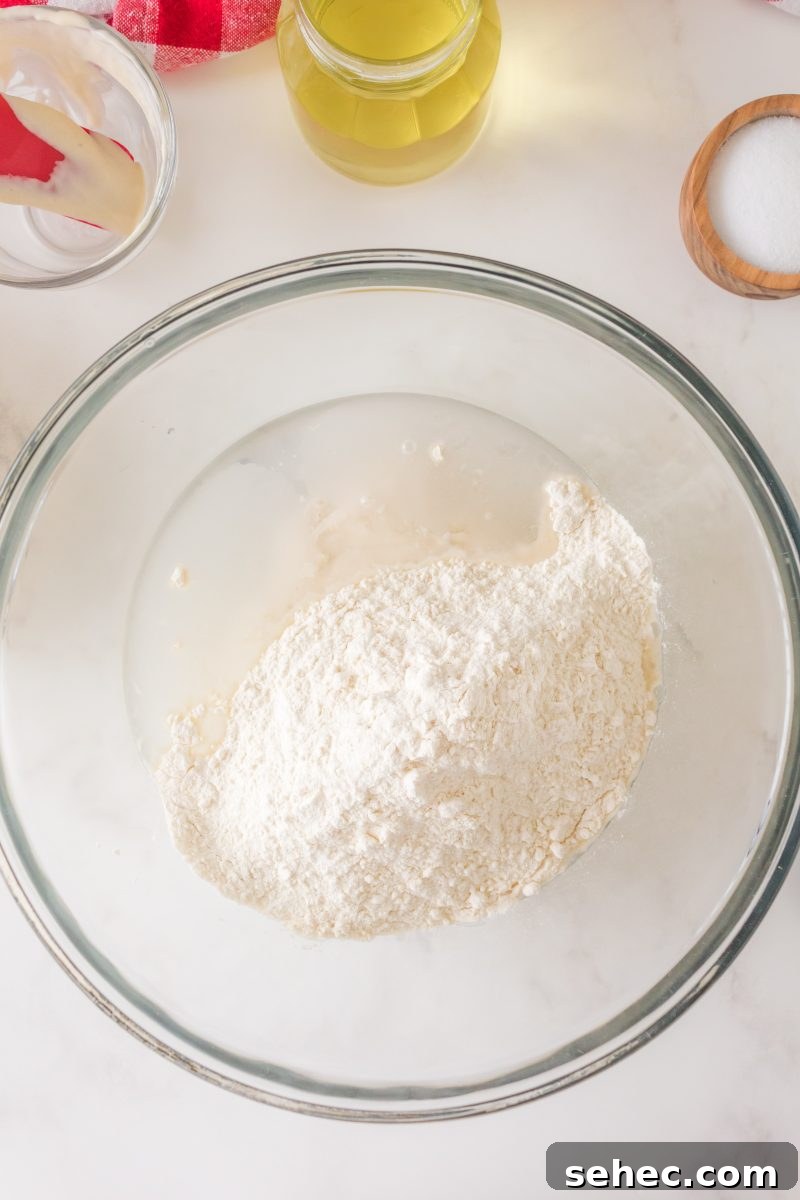
In a large mixing bowl, combine the active sourdough starter and warm water. Stir well and let the mixture rest for 5 minutes. It will look cloudy and milky, which is normal.
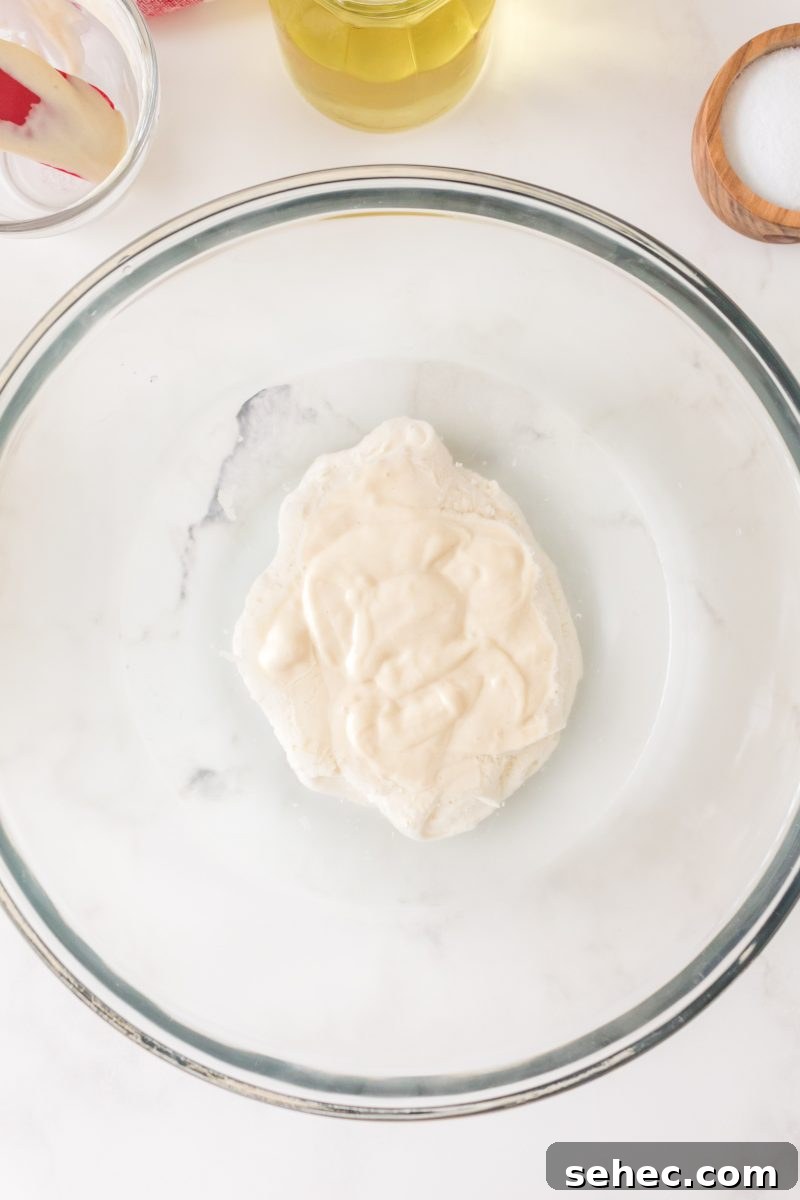
Step 2: Add the Flour
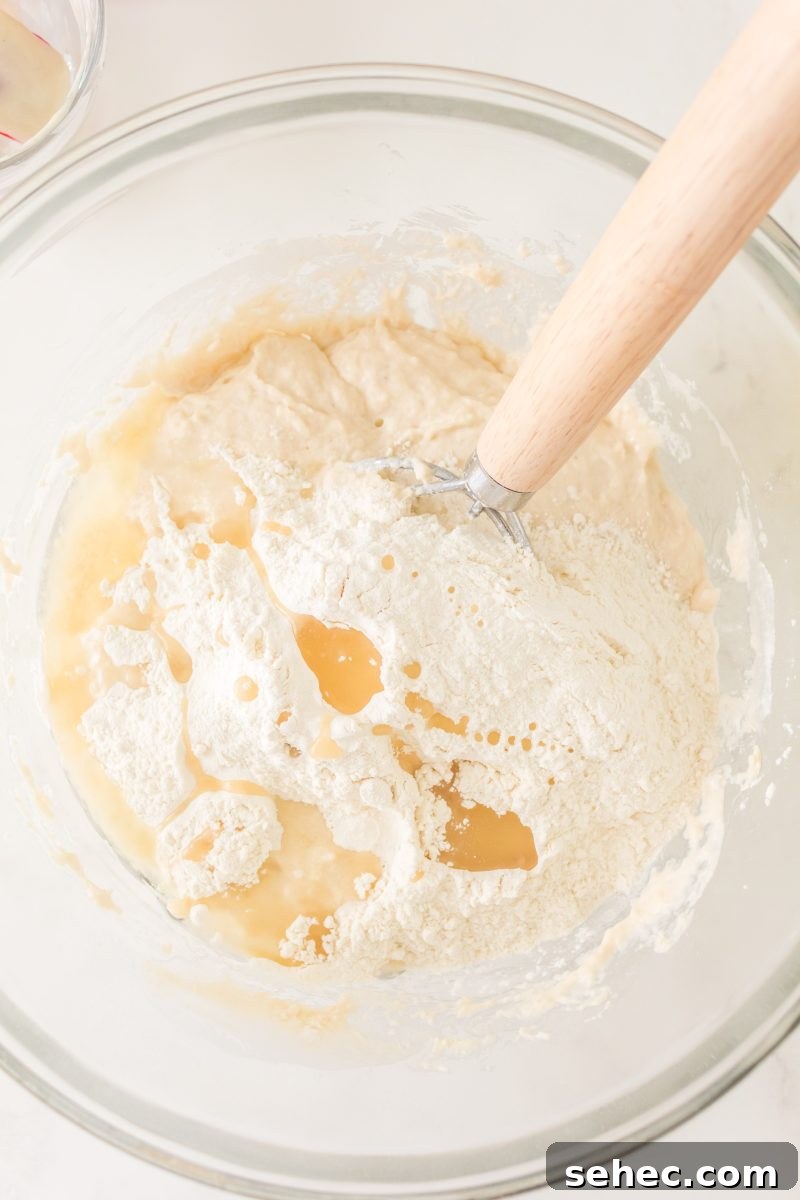
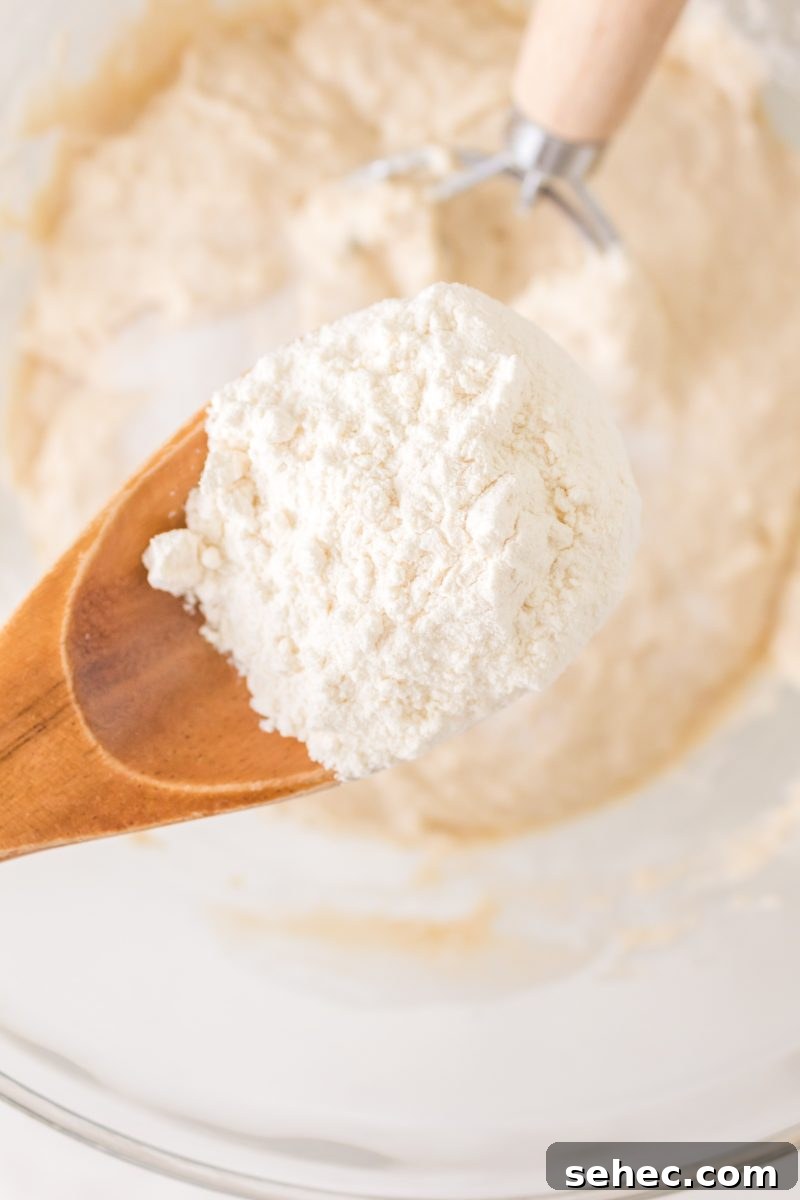
Add half of the flour and mix until incorporated. The dough will be sticky at this stage. Add the remaining flour, salt, and olive oil, then mix until no dry flour remains.
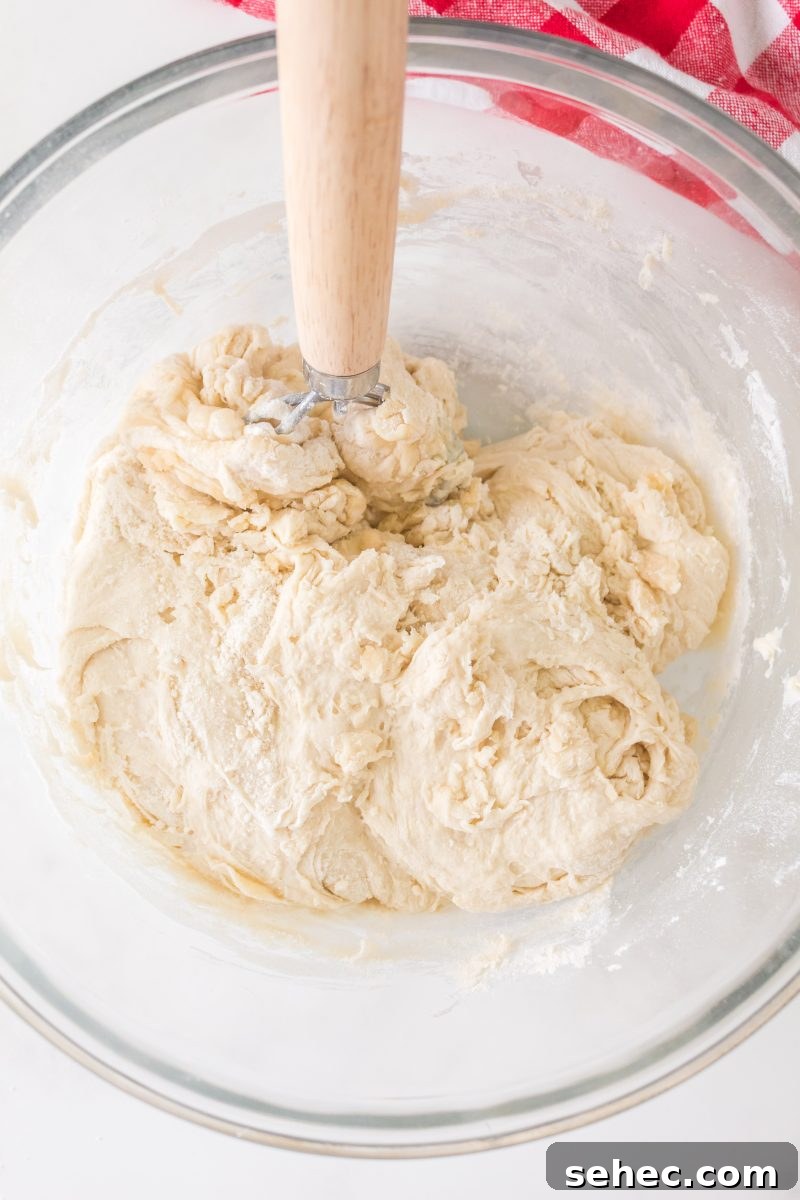
Step 3: First Rise, 45 Minutes
Cover the bowl with a clean kitchen towel or plastic wrap. Let the dough rise in a warm, draft-free spot for 45 minutes.
Tip: The top of the refrigerator or an oven with only the light on can provide a warm place for rising.
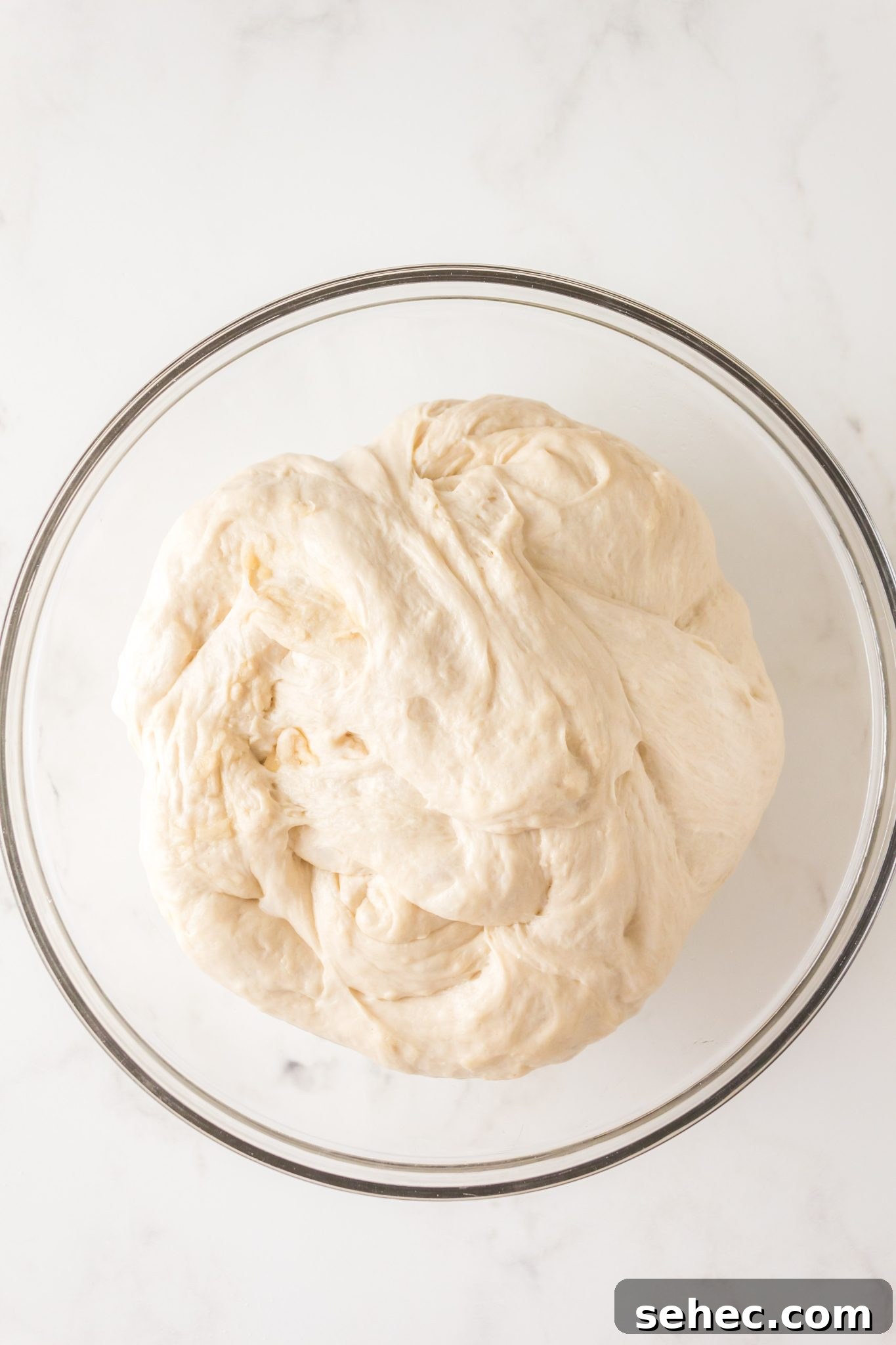
Step 4: First Stretch and Fold
Uncover the bowl. Lift one side of the dough, stretch it upward, and fold it back over itself. Turn the bowl 90 degrees and repeat. Complete this stretch-and-fold motion four times total.
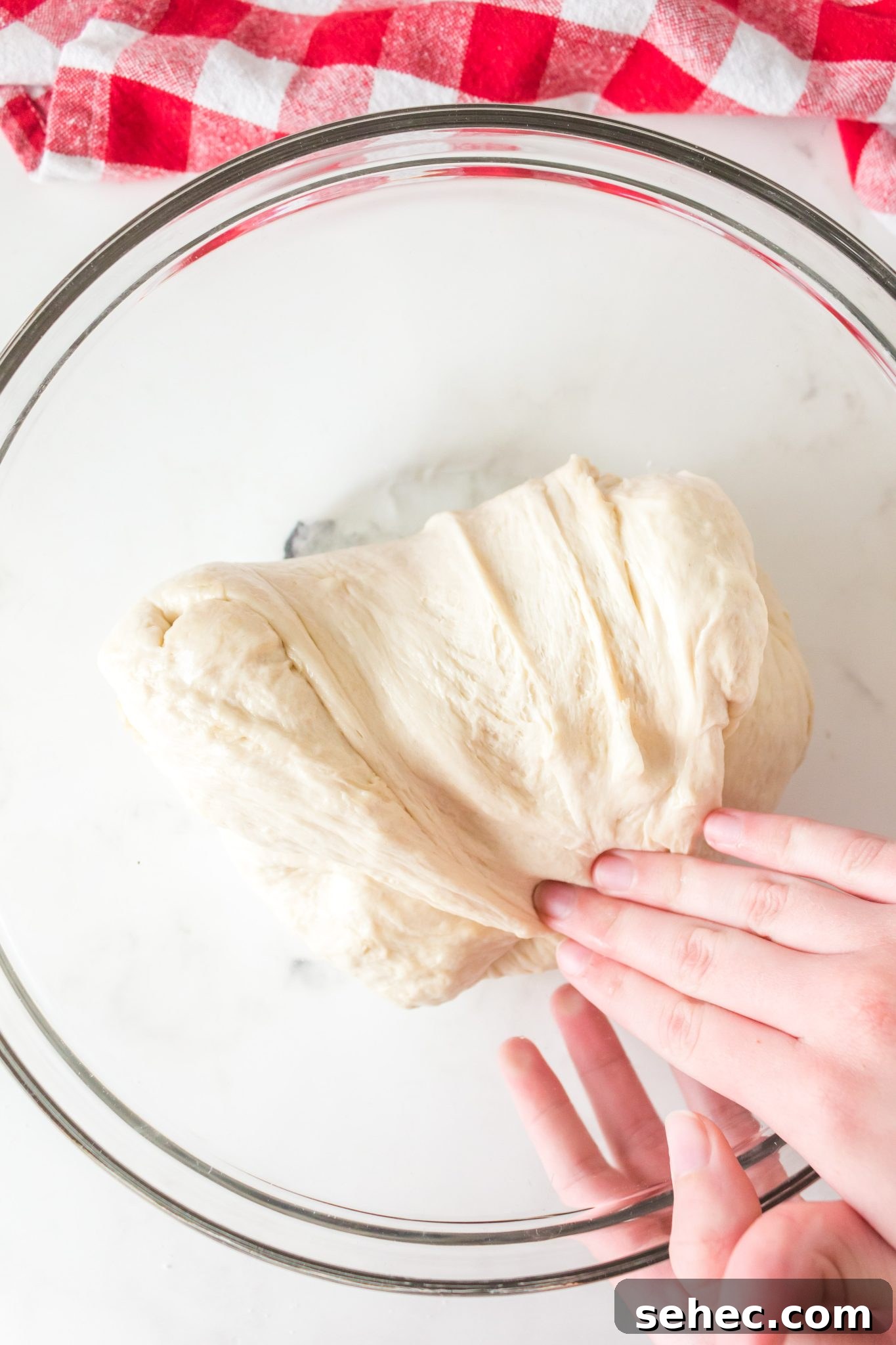
Step 5: Second Rise, 45 Minutes
Cover the bowl again and let the dough rise for another 45 minutes.
Step 6: Second Stretch and Fold
Repeat the same stretch-and-fold process. The dough should begin to feel stronger and more elastic.
Step 7: Third Rise, 60 Minutes
Cover the dough and let it rise for 60 minutes. It should look puffy and airy. If it still feels very sticky, complete one more stretch and fold, then let it rest for an additional 30 minutes.
During the final rise, preheat the oven to 425°F.
Step 8: Shape and Bake
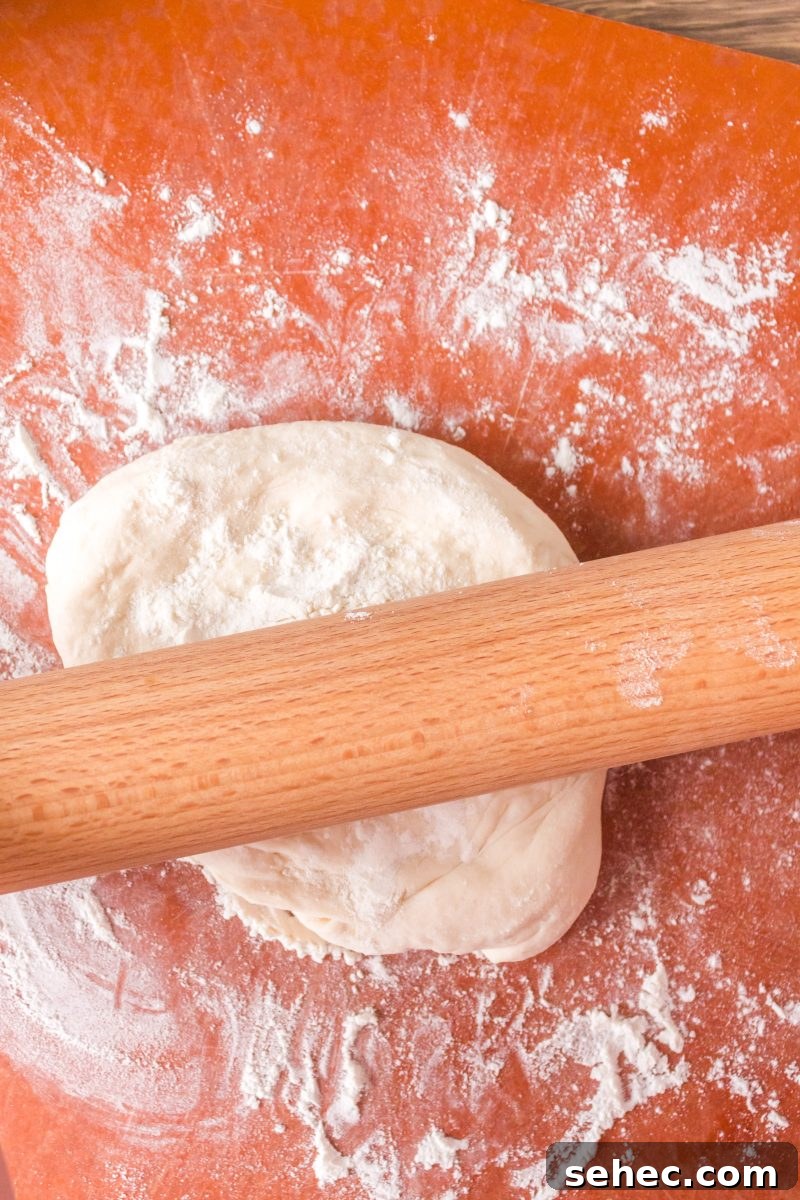
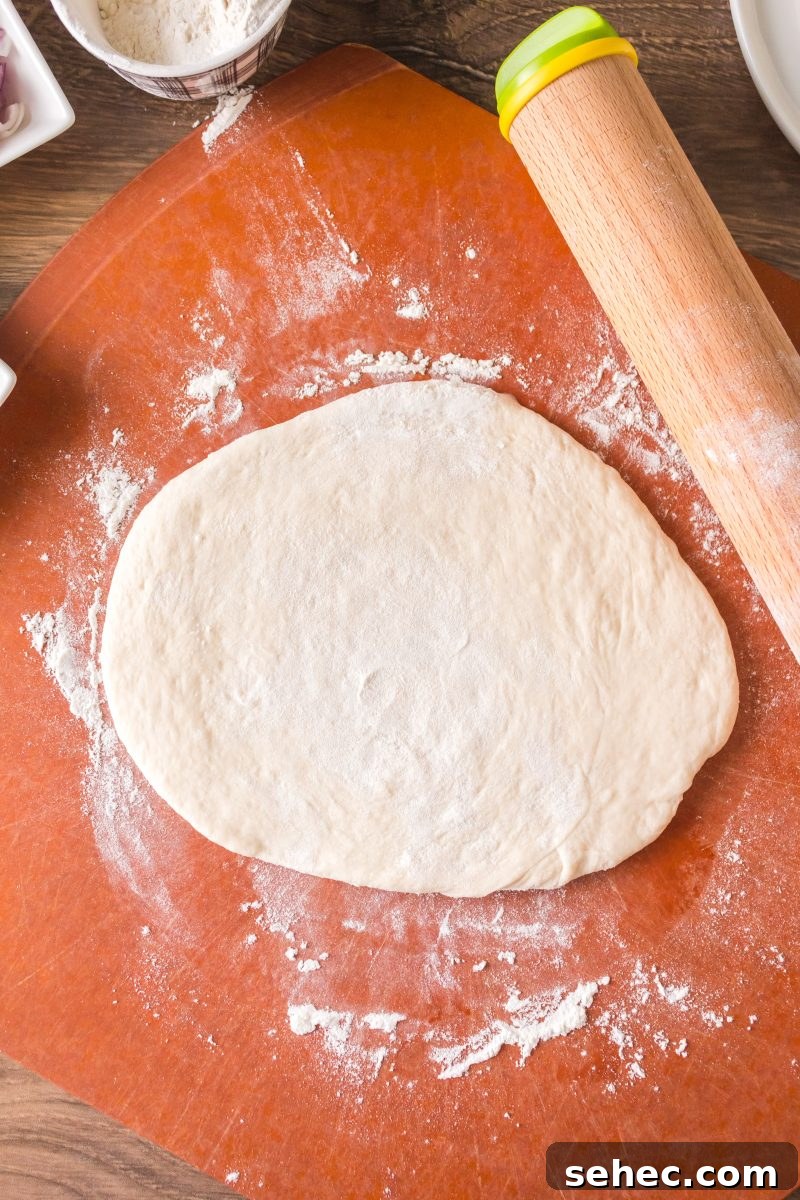
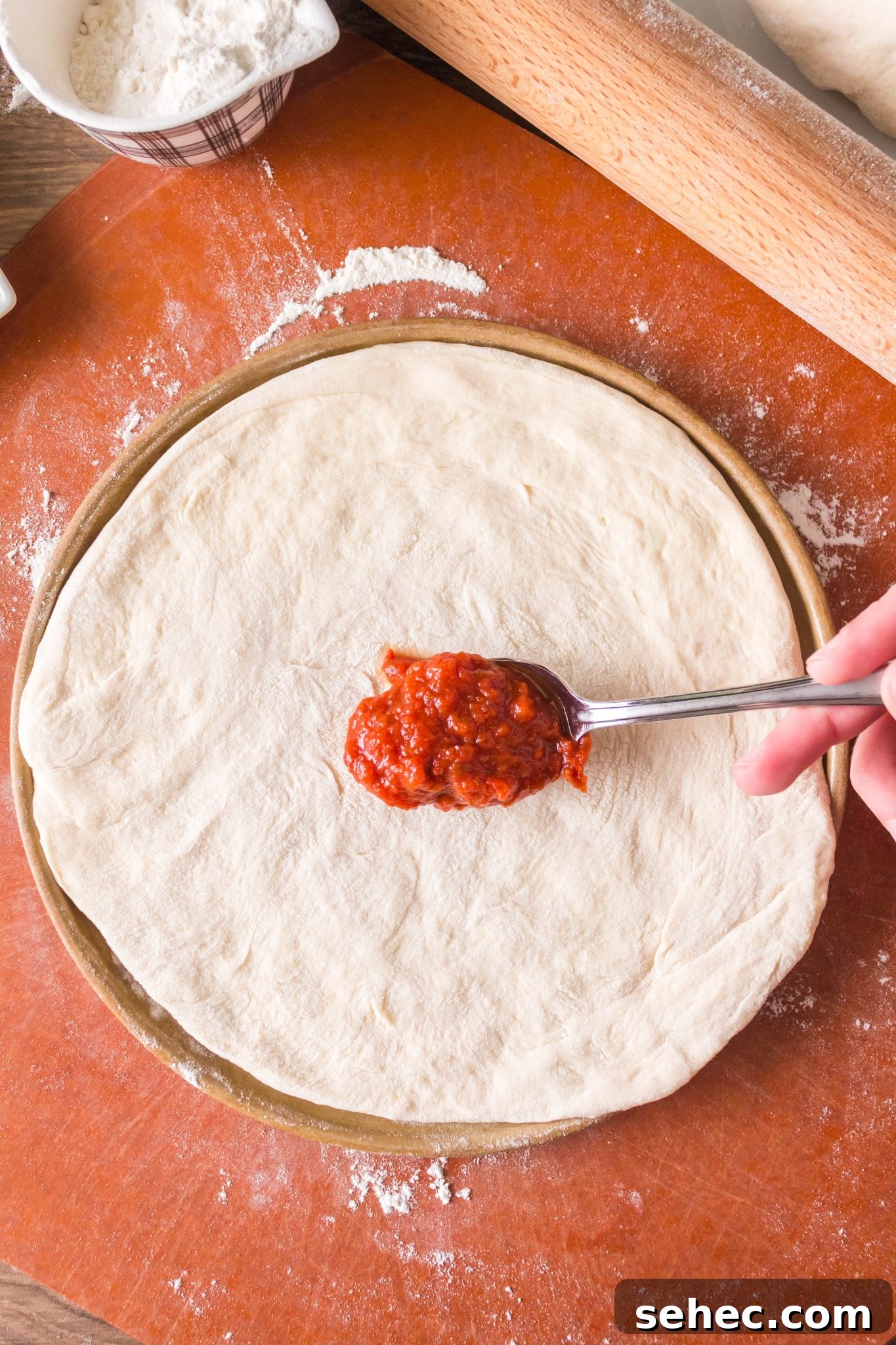
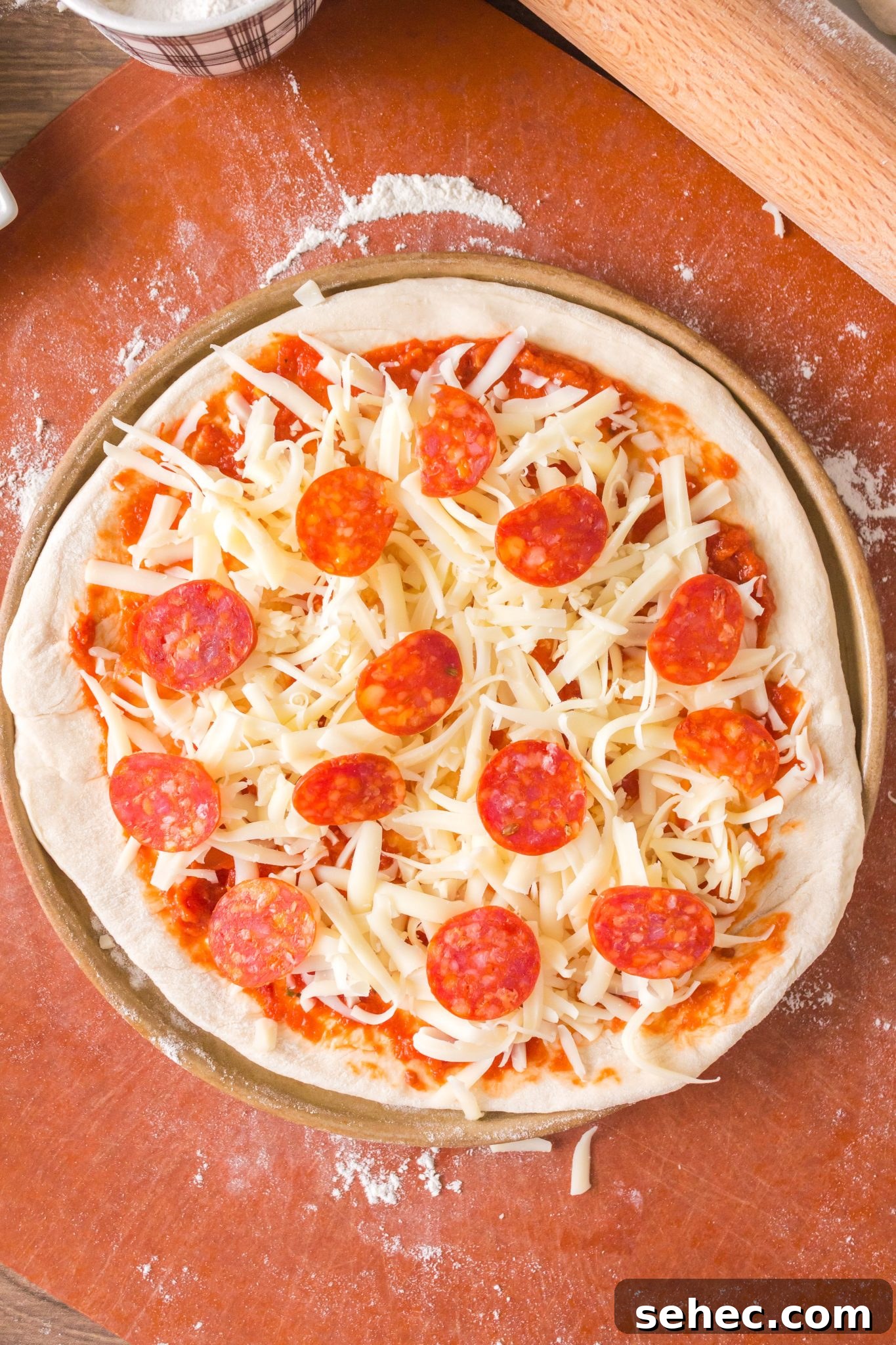
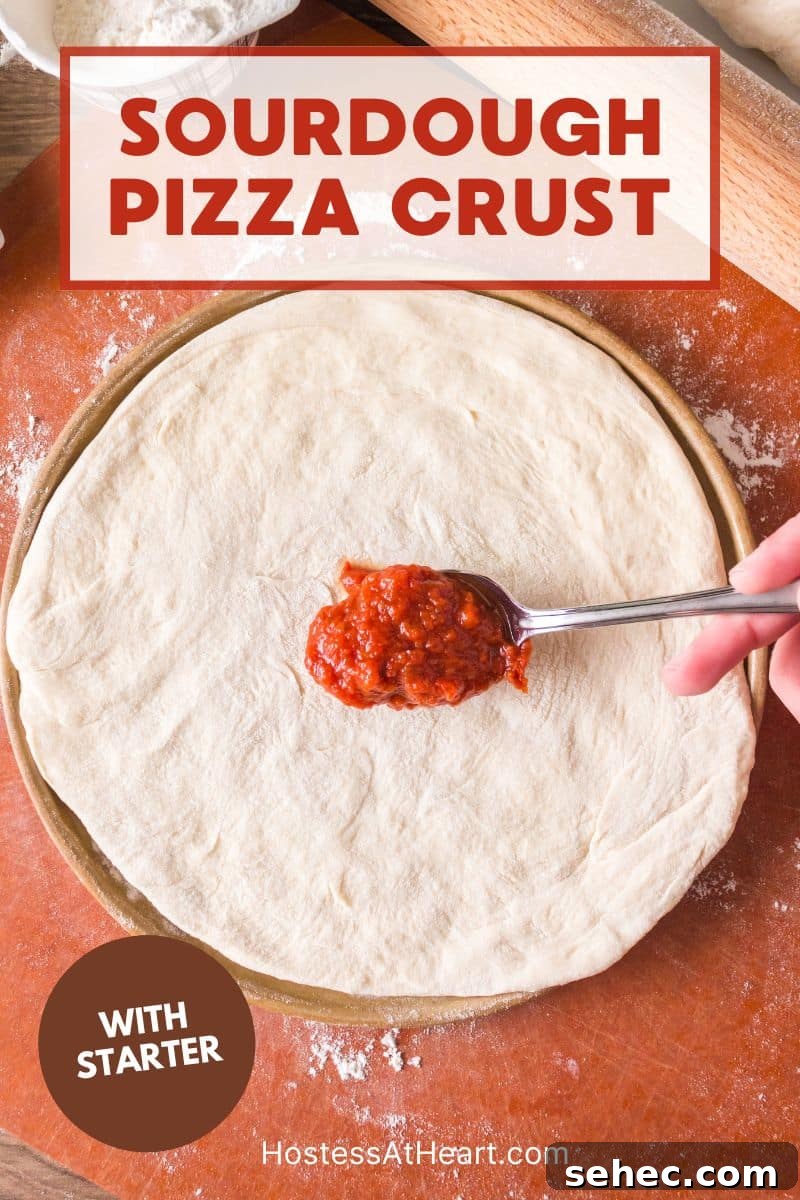
Lightly flour your work surface. Roll the dough into one large pizza crust, divide it into two 12-inch crusts, or make four 6-inch individual pizzas. Transfer the dough to a pizza pan, add toppings, and bake for 12–14 minutes, or until the crust is golden and the cheese is melted and bubbly.
-

Roll out the crust -
Rolled pizza dough
How To Serve Sourdough Pizza
This sourdough pizza crust works with many topping combinations. Try it with pizza sauce, mozzarella, and pepperoni for a classic pizza, or divide the dough into smaller portions and let everyone build their own personal pizza.
- Classic Pepperoni Pizza — Use pizza sauce, shredded mozzarella, and pepperoni.
- Family Pizza Night — Divide the dough into mini crusts and offer a variety of toppings.
- Margherita Style — Add crushed tomatoes, fresh mozzarella, basil, and a drizzle of olive oil.
- White Pizza — Use ricotta, garlic, olive oil, spinach, and mozzarella instead of red sauce.
- Sheet Pan Pizza — Press or roll the dough onto a rimmed baking sheet for an easy rectangular pizza.
- Cheese Breadsticks — Roll leftover dough, spread with butter, sprinkle with cheese, and bake until golden.
Serve sourdough pizza with a green salad, soup, or simple appetizers for a complete meal.
How To Store Sourdough Pizza Dough
Refrigerator: After the final stretch and fold, cover the dough tightly and refrigerate it for up to 2 days. Let it come to room temperature before shaping. A cold rest can deepen the flavor of the crust.
Overnight dough: Complete the rise and fold steps, then refrigerate the dough overnight. Shape and bake it the next day.
Important: Once shaped, do not store unbaked dough for more than 18 hours, or it may over-proof.
Freezer: Freeze the raw dough before the first rise. Wrap it tightly in plastic wrap, then place it in foil or a freezer bag. Thaw overnight in the refrigerator or at room temperature, then continue with the first rise.
Baked crust: Wrap leftover baked crust tightly. Store it at room temperature for 1–2 days or freeze it for up to 1 month.
Sourdough Pizza Crust Variations
Herb Crust — Mix 1 teaspoon of dried Italian seasoning, garlic powder, or oregano into the dough before the first rise.
Spicy Crust — Add ½ teaspoon of red pepper flakes or a small pinch of chili powder for mild heat.
Cheesy Crust — Fold ¼ cup of freshly grated Parmigiano-Reggiano into the dough after the second fold.
Whole Wheat Version — Replace up to 1 cup of all-purpose flour with whole wheat flour for a heartier crust. The texture will be slightly denser.
Thick Crust — Press the dough into a cast iron skillet or deep-dish pan instead of rolling it thin. Add toppings and bake a few extra minutes as needed.
Gluten Note — Sourdough fermentation changes the dough, but this recipe is not gluten-free as written.
Sourdough Pizza Crust FAQ
Do I need special equipment? No. A mixing bowl, rolling pin, and baking pan are enough. A Danish dough whisk and pizza stone can help, but they are optional.
Can I make sourdough pizza dough without yeast? Yes. The active sourdough starter provides the natural leavening, so no commercial yeast is needed.
How do I know if the dough is ready? Try the poke test. Press a floured finger gently into the dough. If it springs back slowly about halfway, it is ready. If it springs back quickly, it needs more time. If it does not spring back, it may be over-proofed.
Why is my dough sticky? This dough has enough moisture to create a tender, chewy crust. Flour your hands and work surface when shaping, but avoid adding too much flour into the dough.
Can I use sourdough discard? You can, but the crust will not rise as well. For the best chewy sourdough pizza crust, use active, bubbly starter.
Can I shorten the rise time? The dough needs time to build flavor and structure. A warmer proofing spot may speed things up slightly, but skipping the rise will make the crust dense.
More Sourdough and Pizza Night Ideas
If you enjoy baking with sourdough, this pizza crust is a great recipe to keep in your regular rotation. The same basic skills used here, including resting, folding, and shaping, are helpful for many sourdough bread recipes.
For pizza night, pair this crust with simple toppings, homemade sauce, cheese, vegetables, or leftover cooked meats. It can be used for classic round pizzas, sheet pan pizza, mini pizzas, or cheesy breadsticks.
Ready to Make Sourdough Pizza Crust?
Homemade sourdough pizza crust is crisp, chewy, flavorful, and satisfying to make from scratch. With a healthy starter and a little rise time, you can turn a few simple ingredients into a pizza crust that feels special enough for the weekend but simple enough for a family dinner.
If you try this recipe, make notes on your rise time, dough texture, and favorite toppings so you can adjust it perfectly for your kitchen next time.
Sourdough Pizza Crust
Equipment
- Large mixing bowl
- Mixing spoon or Danish dough whisk
- Rolling pin
- Pizza pan, baking sheet, pizza stone, or baking steel
Ingredients
- 1 cup active sourdough starter
- 1 cup warm water 90–95°F
- 3 cups unbleached all-purpose flour plus more for rolling
- 2 tsp salt
- 2 tbsp olive oil
Instructions
-
In a large mixing bowl, combine the sourdough starter and warm water. Mix and let it rest for 5 minutes.
-
Add half of the flour and mix well. The dough will be sticky.
-
Add the remaining flour, salt, and olive oil. Mix until no dry flour remains.
-
Cover the bowl and let the dough rise in a warm, draft-free place for 45 minutes.
-
Stretch one side of the dough upward and fold it over itself. Turn the bowl 90 degrees and repeat until you have completed four folds.
-
Cover and let the dough rise for another 45 minutes.
-
Repeat the stretch-and-fold process.
-
Cover and let the dough rise for 60 minutes, until airy and puffy.
-
If the dough is still very sticky, complete one more fold and let it rest for 30 more minutes.
-
Preheat the oven to 425°F.
-
Flour your work surface and roll the dough into one large crust, two medium crusts, or four individual crusts.
-
Add toppings and bake for 12–14 minutes, or until the crust is golden and the toppings are hot.
Notes
- Use extra flour only when shaping the dough, not while mixing, unless absolutely necessary.
- For cheese sticks, roll out leftover dough, spread with butter, sprinkle with cheese, and bake until golden.
- Store covered dough in the refrigerator for up to 2 days.
- Add herbs, red pepper flakes, chili powder, or grated Parmigiano-Reggiano for extra flavor.
Nutritional Disclaimer
Nutrition will vary based on the brands, measurements, toppings, and serving sizes used. Any nutrition information should be treated as an estimate only.
Save this sourdough pizza crust recipe for your next homemade pizza night.
Originally published: April 8, 2024. Updated March 26, 2026 with more detailed instructions, tips, and serving suggestions. No changes were made to the recipe.