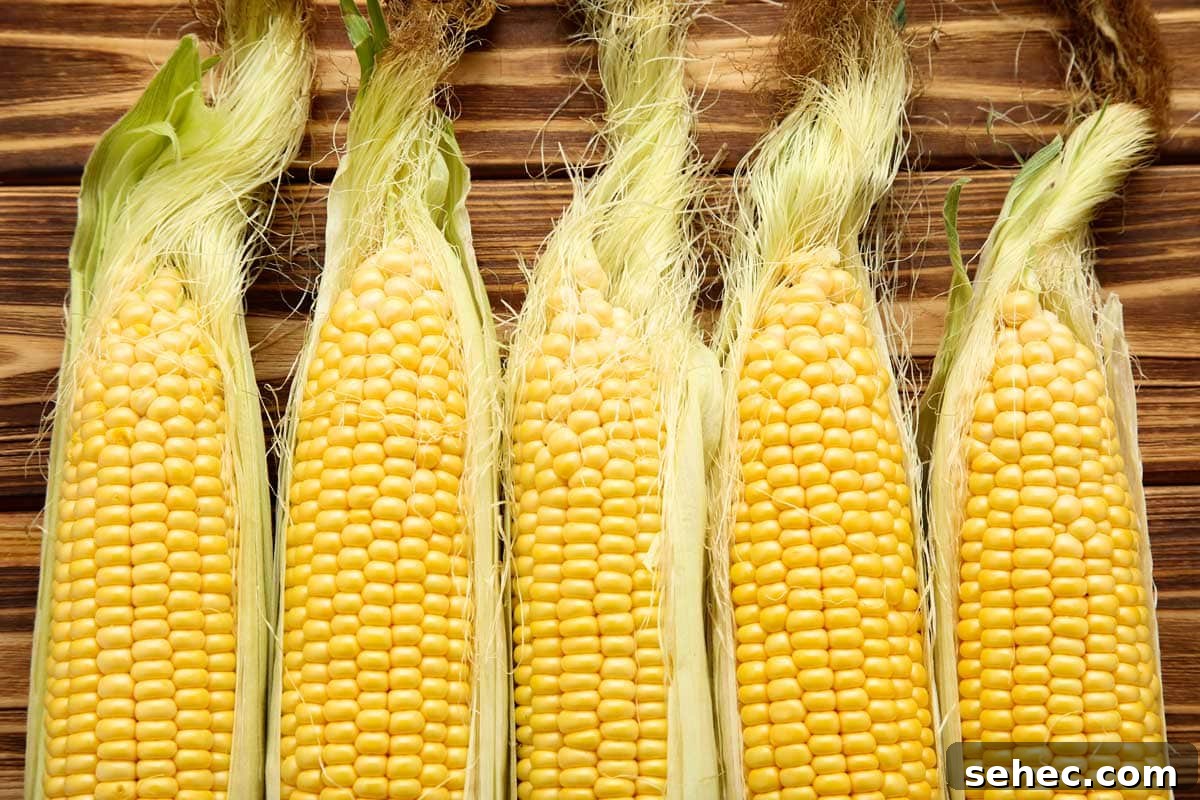
Sweet, fresh corn on the cob is one of the best flavors of summer. When the kernels are tender, juicy, and naturally sweet, corn needs very little more than butter, salt, and pepper to make it memorable. If you have access to local corn during peak season, freezing it is a simple way to enjoy that fresh-picked flavor long after summer is over. With a little preparation, you can store corn in the freezer for soups, salads, salsas, casseroles, side dishes, and quick weeknight meals.
Freezing Corn
1. How to Blanch Corn
- Before you begin, fill a large pot with water and bring it to a boil.
- Shuck the corn by removing the husks and as much silk as possible.
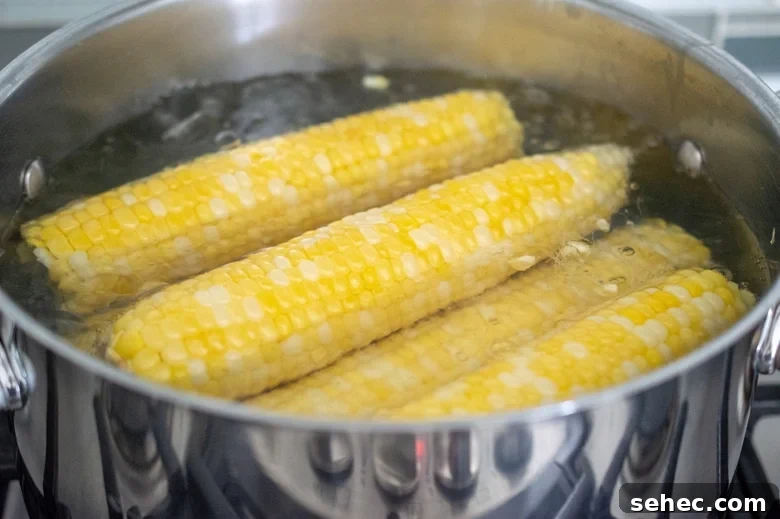
- Once the water is boiling, use tongs to carefully lower the corn cobs into the pot.
- Boil the corn for 6 minutes. Start timing as soon as the corn goes into the pot; you do not need to wait for the water to return to a boil. The goal is to blanch the corn, not fully cook it.
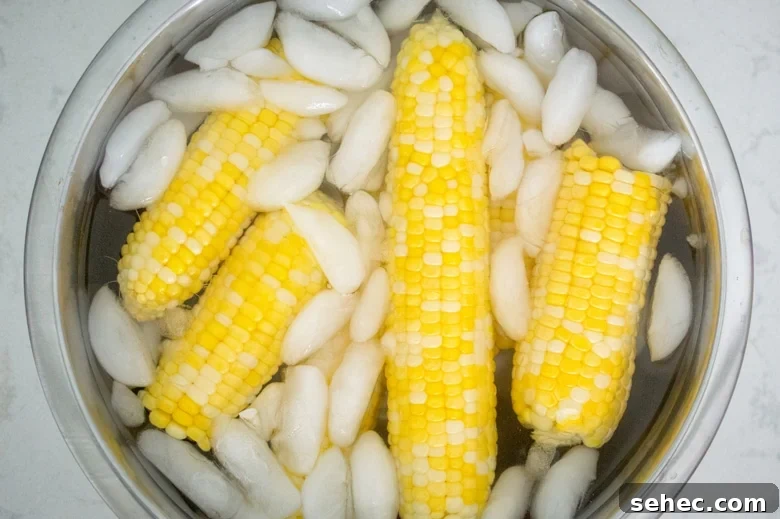
- Transfer the cobs to a large bowl of ice water and let them cool for several minutes. This stops the cooking process and helps preserve the texture of the kernels.
- Cut the corn kernels from the cob, then package and freeze them.
Blanching is the most traditional and reliable method for freezing fresh corn. It helps preserve the corn’s flavor, color, and texture while also reducing potential bacteria on the kernels. As with any food preservation project, start with clean hands, clean tools, and a clean work surface. Blanched corn generally keeps its quality longer in the freezer than raw corn. For best flavor, use blanched frozen corn within about 10 to 12 months. Corn frozen raw is convenient, but it may begin to lose quality after about six months.
Cutting Corn Off the Cob
After the corn has been blanched and cooled, the next step is cutting the kernels from the cob. A serrated knife works well, and an electric carving knife can make the job faster if you already have one. Place the cob upright on a cutting board, baking sheet, or inside a large bowl, then slice downward in long, steady strokes.
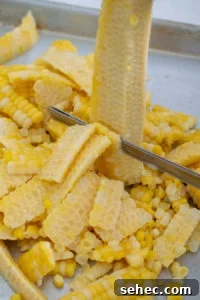
Cutting corn can be messy because the kernels are juicy, so wearing an apron is a good idea. Do not try to remove every bit of each kernel. Cutting too close to the cob can leave tough, unpleasant pieces mixed in with the corn. Aim to remove about two-thirds of each kernel for the best texture.
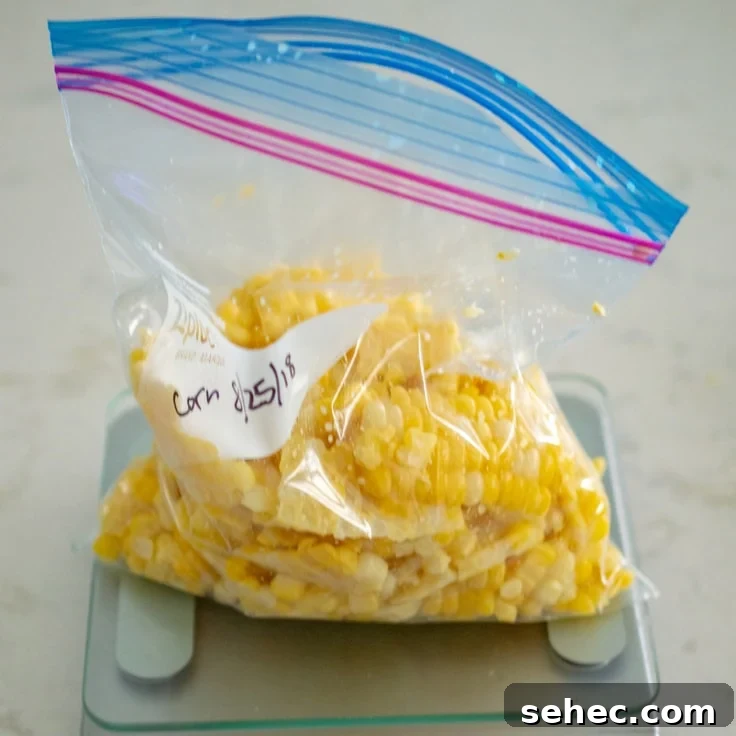
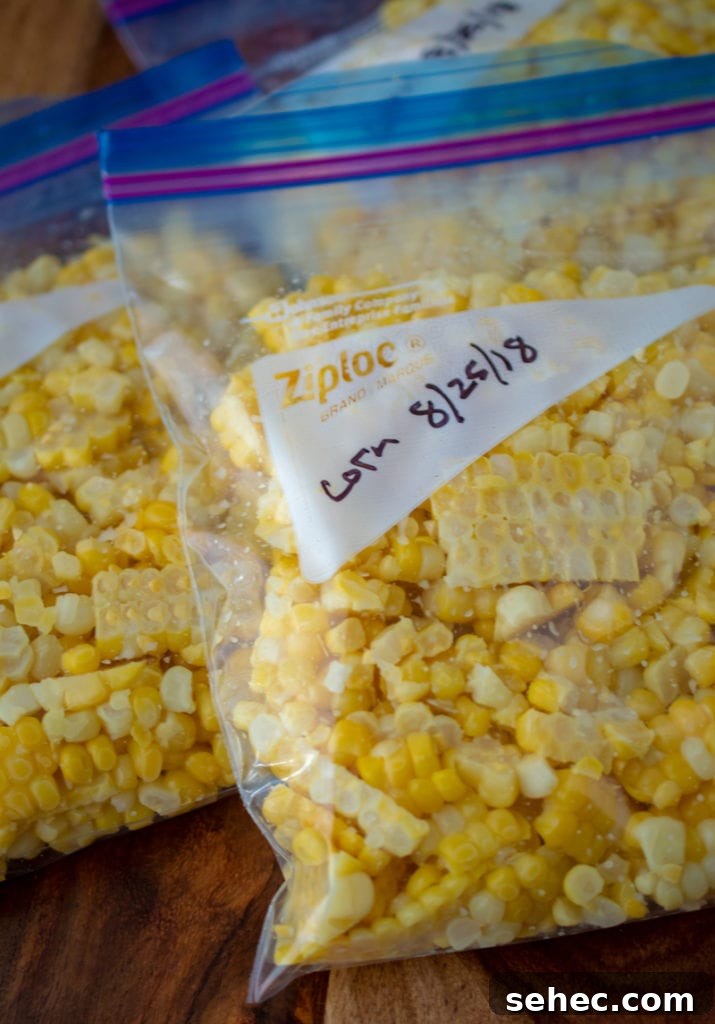
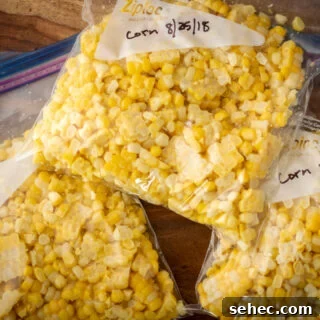
Once the kernels are cut, place them in zipper-style freezer bags. Choose bags made specifically for freezer storage because they are thicker and more durable than regular storage bags. If you want convenient portions, measure about one pound of corn per bag. Four medium to large ears of corn usually yield about one pound of kernels, or roughly three cups. That amount is a practical portion for many family meals.
Press as much air as possible out of each bag before sealing. Flatten the bags so they stack easily, label them if desired, and place them in the freezer. Frozen corn is excellent for skillet dishes, soups, chowders, salads, salsas, and roasted vegetable mixes.
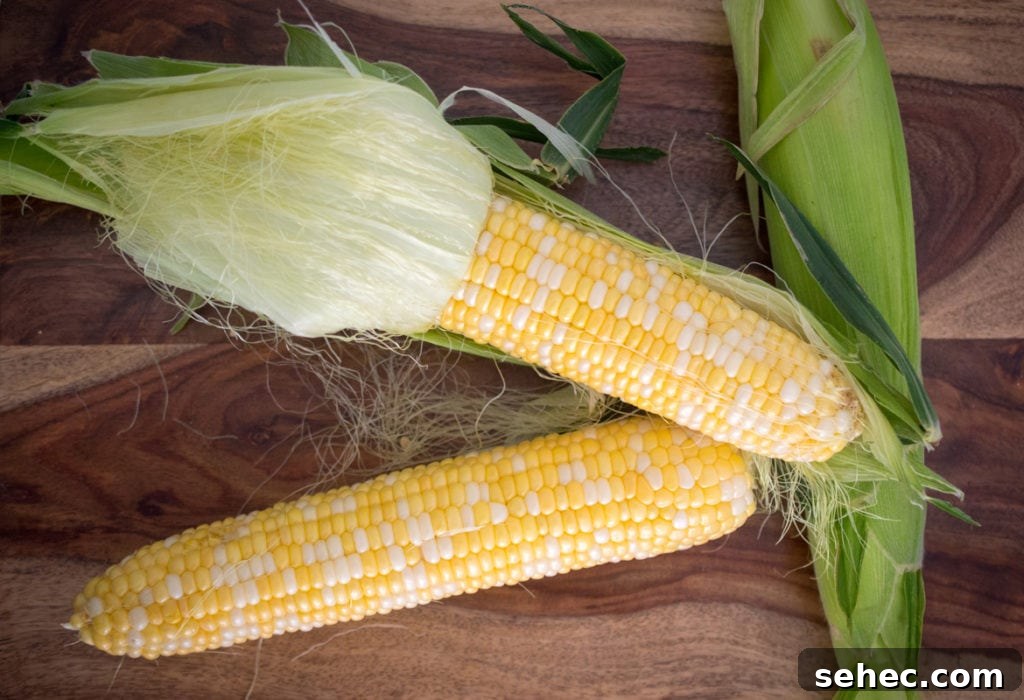
2. How to Freeze Uncooked Corn on the Cob
- Shuck the corn and remove the silk.
- Place the whole cobs in zipper-style freezer bags.
- Press out excess air, seal the bags tightly, and place them in the freezer.
This is the quickest method for freezing corn on the cob. It takes only a few minutes and does not require boiling water or an ice bath. Although blanching is preferred for longer storage and better texture, freezing raw corn on the cob can be useful when you are short on time.
How to Cook Frozen Corn on the Cob
- Bring a large pot of water to a boil.
- Use tongs to place the frozen corn directly into the boiling water.
- Cook for 3 to 5 minutes, just until heated through.
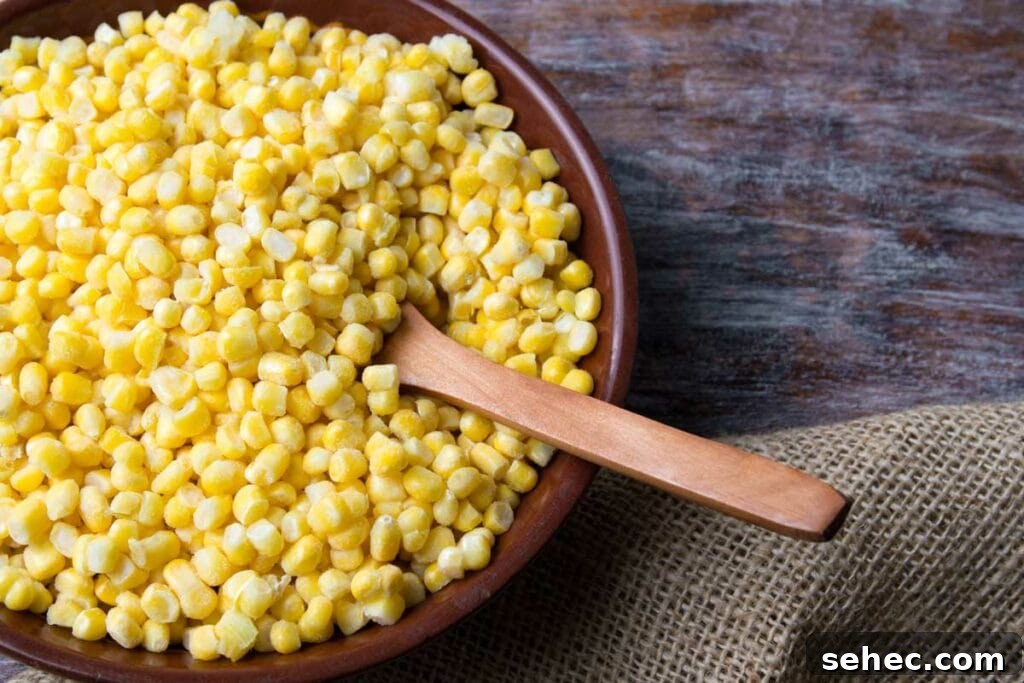
3. How to Freeze Uncooked Corn Kernels
- Shuck the corn and remove the silk.
- Cut the uncooked kernels from the cob into a large bowl.
- Spoon the kernels into freezer bags in the portions you prefer.
- Remove as much air as possible, seal the bags, and place them in the freezer.
Freezing uncooked kernels is another no-cook option. It is especially useful when you plan to add corn to recipes that will be cooked later, such as soups, casseroles, or skillet meals. Because the corn has not been blanched, it is best to use it sooner than blanched corn for the best flavor and texture.
How to Cook Frozen Corn
- Thaw the corn in the refrigerator or microwave.
- Sauté it lightly with a little butter and olive oil until heated through.
Try not to overcook frozen corn, as it can become tough. If you like, add chopped onions, peppers, herbs, or a little seasoning while sautéing. Frozen summer corn is a simple way to bring fresh flavor to the table when local corn is no longer in season.
Related Recipes
- How to Freeze Cabbage
- How to Freeze Kale
If you enjoy preserving seasonal produce, freezing corn is one of the easiest methods to learn. It requires only fresh corn, water, ice, and freezer bags, and the finished corn can be used in many everyday recipes.
How to Blanch and Freeze Fresh Corn
Marsha Maxwell
Equipment
Ingredients
- Fresh corn on the cob
- Water
- Ice
- Zipper-type freezer bags 1 quart size
Instructions
-
Remove the husks and silk from the corn cobs. Trim away any brown or mushy spots.
-
Bring a large pot of water to a boil.
-
Use tongs to place the corn cobs in the boiling water. Set a timer for 6 minutes as soon as the corn goes into the pot.
-
While the corn blanches, prepare a large bowl of ice water.
-
After 6 minutes, transfer the corn to the ice water.
-
Let the corn cool in the ice water for about 5 minutes.
-
Stand each cob upright and cut the kernels from top to bottom. Remove about two-thirds of each kernel to avoid cutting into the cob.
-
Measure about one pound or 3 cups of corn into each freezer bag. Four medium to large ears usually yield about one pound of kernels.
-
Press out excess air, seal the bags tightly, and freeze.
-
For best quality, use blanched frozen corn within about 10 to 12 months.
Notes
Nutrition
Calories: 114 kcal
Photos by Marsha Maxwell, 5 Second Studio/Shutterstock.com, and Creative Family/Shutterstock.com.