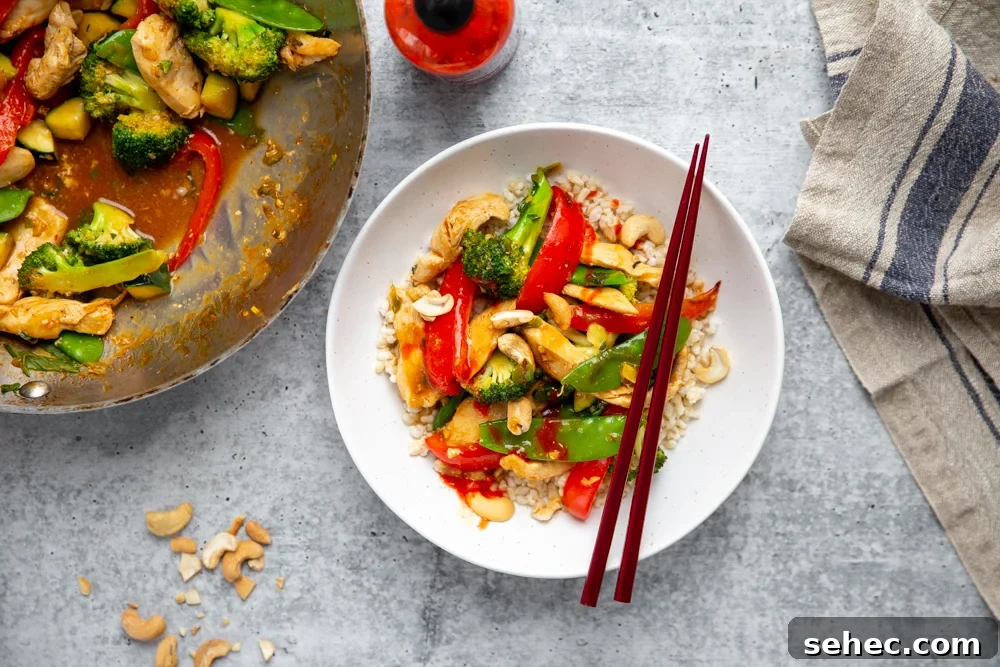
When you need a reliable weeknight dinner, this healthy stir fry recipe is one of the best meals to keep in your back pocket. It is fast, flexible, colorful and full of flavor, and it works beautifully with whatever vegetables and protein you already have on hand. Whether you are in the mood for chicken and vegetables, beef and broccoli, shrimp stir fry, tofu stir fry or a simple vegetable stir fry, this method will help you build a balanced meal without overcomplicating dinner.
The best part is that stir frying is more of a technique than a strict recipe. Once you understand the order of cooking, you can mix and match ingredients depending on the season, your budget or what is waiting in the refrigerator. With a hot pan, a flavorful sauce and a little preparation, you can make a healthy stir fry that tastes fresh, satisfying and restaurant-worthy.
Table of Contents
3 important steps to a good stir fry
- Make a stir fry sauce: The sauce is what brings the whole dish together. A good stir fry sauce adds savory, slightly sweet and aromatic flavor while lightly coating the vegetables and protein.
- Prepare everything before cooking: Stir fry cooks quickly, so slice the protein, chop the vegetables and mince the aromatics before turning on the heat. Once the pan is hot, the cooking process moves fast.
- Use a large skillet or wok: A flat-bottomed wok is excellent for stir frying, but a large 12- to 14-inch skillet also works well. Preheat the pan until very hot. To test it, flick in a few drops of water; they should evaporate within 1 to 2 seconds.
Ingredients
This healthy stir fry recipe is designed to be adaptable. Instead of relying on one exact combination, it is divided into categories: protein, hardy vegetables, tender vegetables, aromatics and sauce. This makes it easy to create a fresh dinner using ingredients you already have.
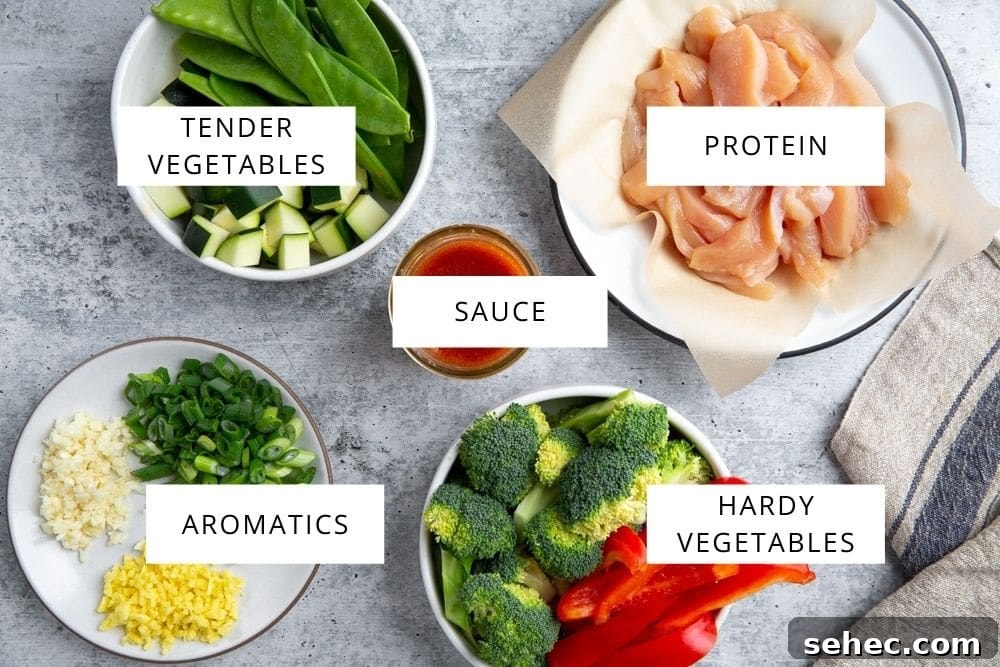
- Protein: Use 1 pound of thinly sliced chicken, beef, pork tenderloin, peeled and deveined shrimp or firm tofu cubes.
- Hardy vegetables: Choose 3 to 4 cups of vegetables that take a little longer to cook, such as broccoli florets, cauliflower florets, sliced carrots, sliced bell peppers, green beans or cubed eggplant.
- Tender vegetables: Add 3 to 4 cups of quicker-cooking vegetables, such as snow peas, snap peas, garden peas, diced zucchini, diced summer squash, sliced mushrooms, baby spinach, chopped baby bok choy, chopped Swiss chard or bean sprouts.
- Aromatics: Garlic, ginger and green onions give the stir fry its fresh, fragrant base. Thinly sliced shallots can also be used.
- Sauce: A simple stir fry sauce ties everything together. The sauce described here includes low-sodium chicken broth, soy sauce, orange juice, sesame oil, honey, garlic and ginger.
How to make a healthy stir fry
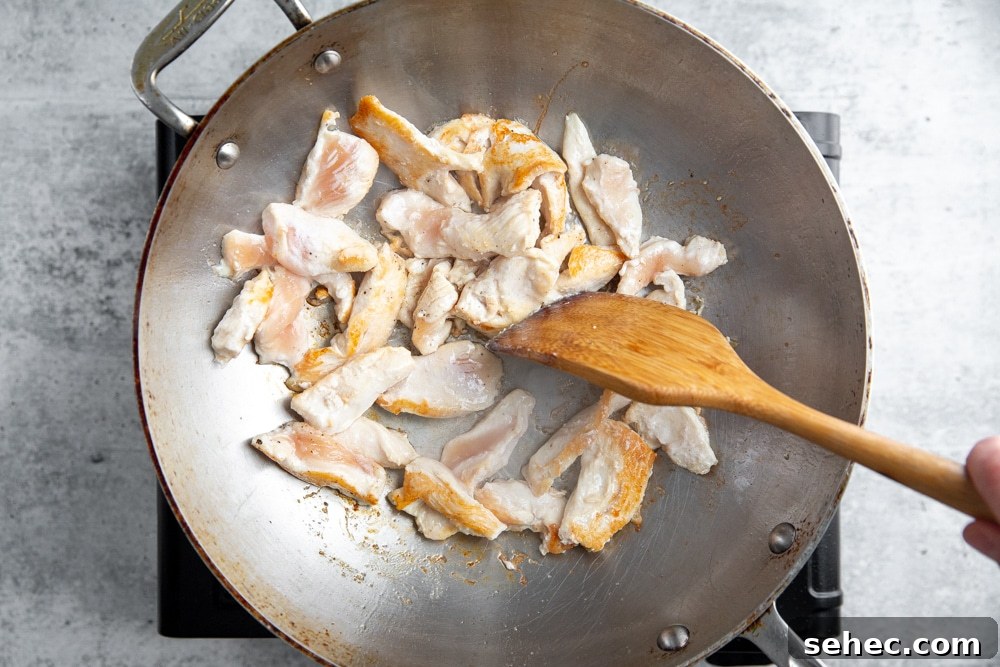
- Partially cook the protein: Start by cooking the protein in a very hot wok or skillet with a little oil. It should brown lightly on the outside but remain slightly undercooked in the center, since it will finish cooking later with the sauce.
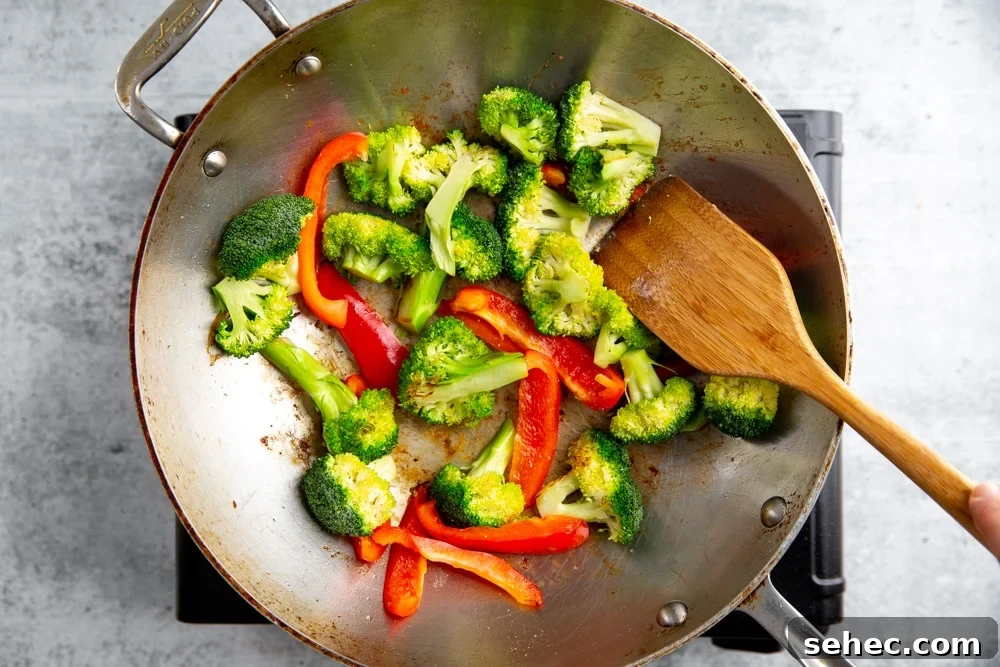
- Start the hardy vegetables: Add the firmer vegetables to the hot pan and cook them until they begin to caramelize in spots. This step adds flavor and helps the vegetables become tender without turning mushy.
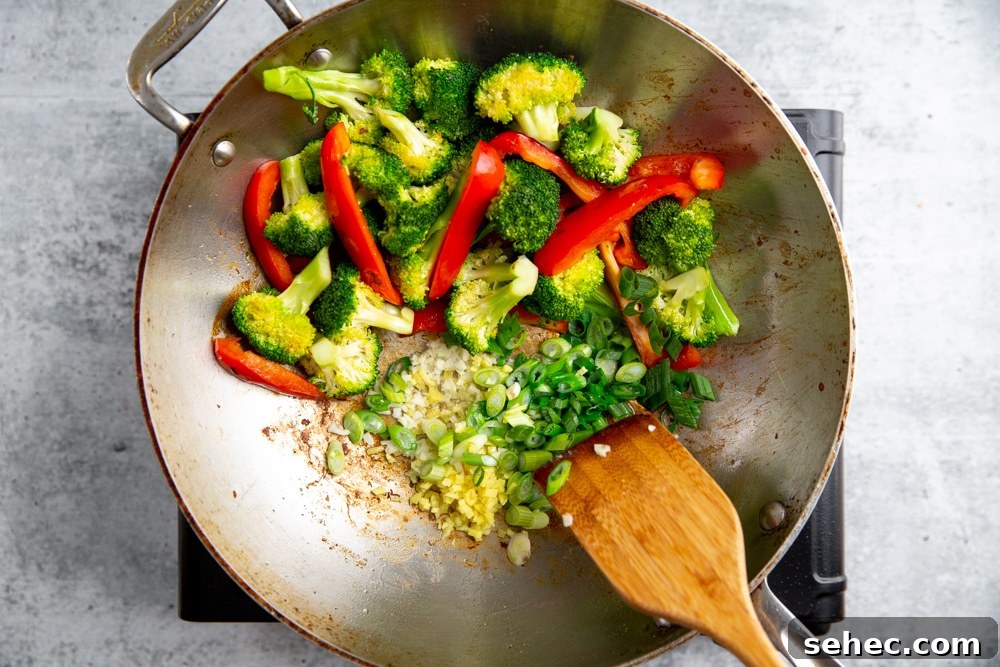
- Add the aromatics: Stir in the garlic, ginger and green onions. Cook for about 30 seconds, just until fragrant. Do not let the garlic burn.
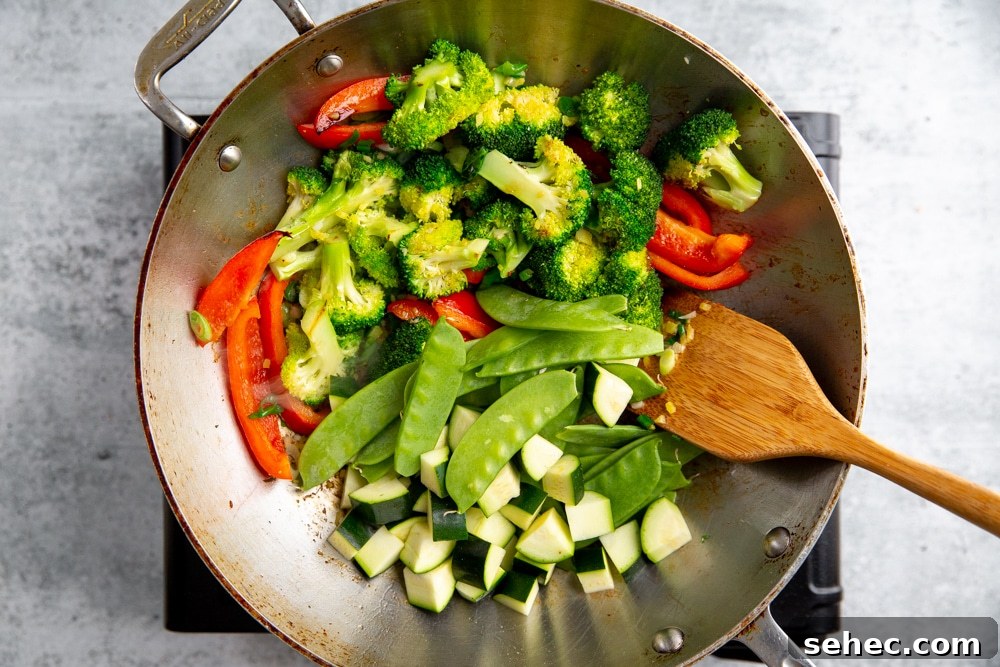
- Stir in the tender vegetables: Add the quicker-cooking vegetables and toss everything together. Cook only until the vegetables are crisp-tender and still bright.
- Pour in the stir fry sauce: Return the protein to the pan, then add the sauce. Bring it to a boil and cook until it thickens and coats the meat, tofu or shrimp and vegetables.
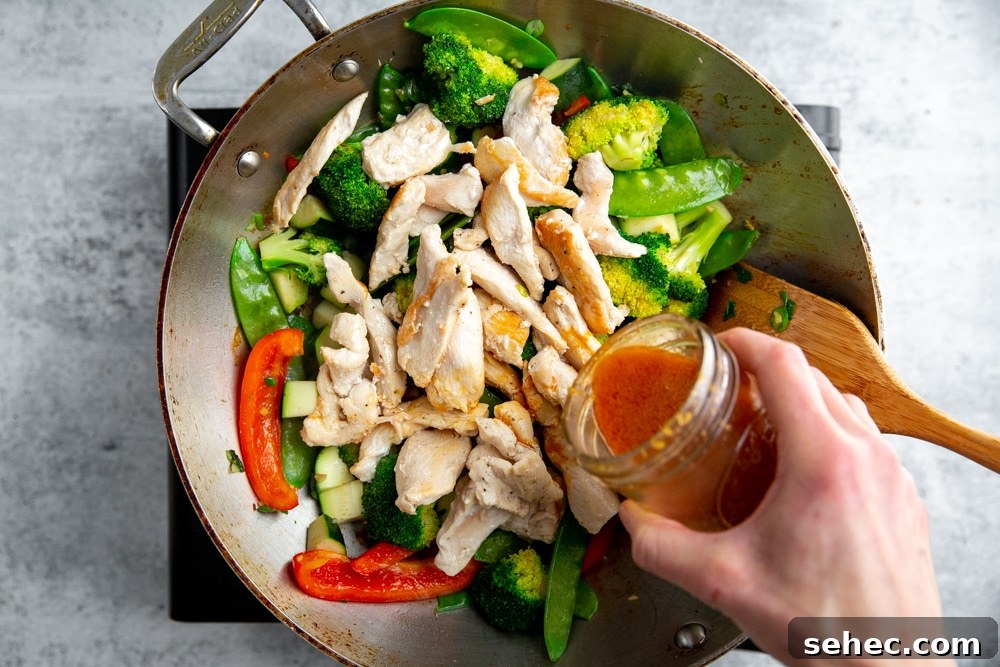
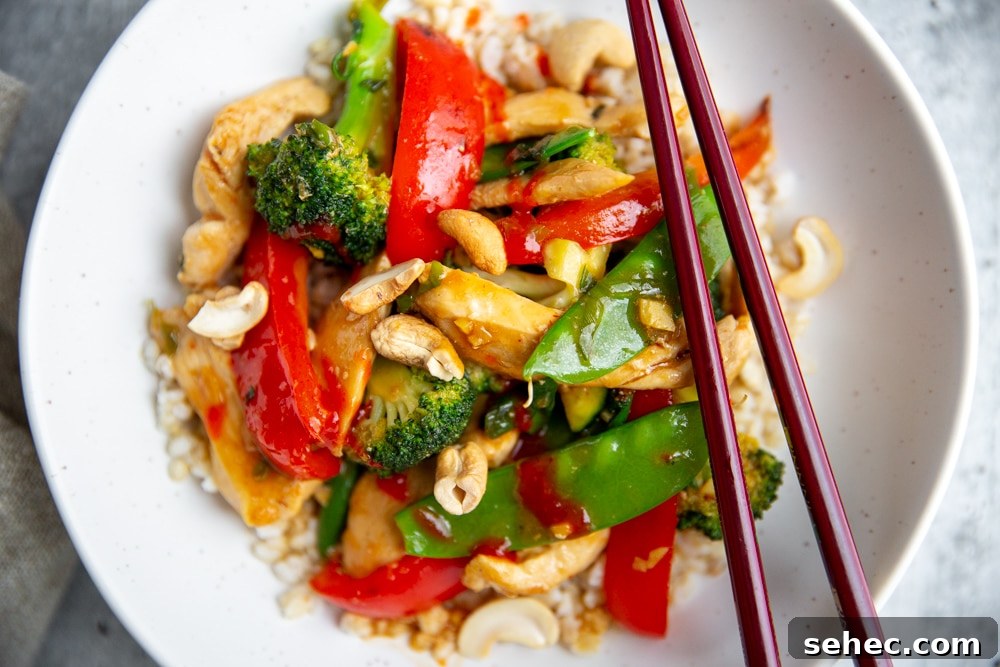
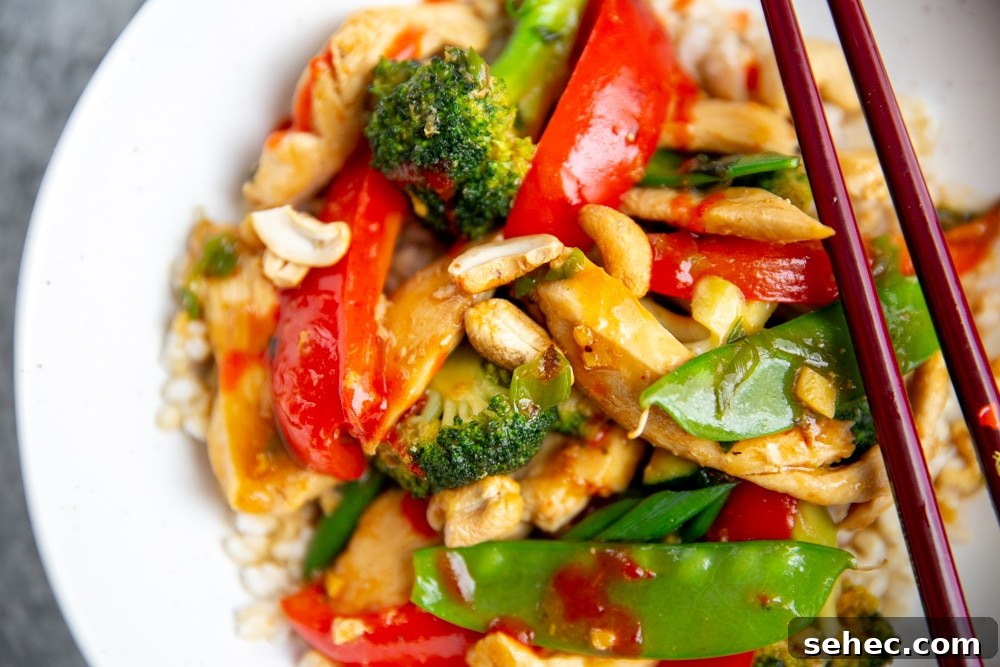
- Serve: Spoon the stir fry over steamed brown rice, white rice or quinoa. Finish with extra sliced green onions, chopped cashews, peanuts or toasted sesame seeds. If you enjoy heat, serve it with sriracha or chile sauce.
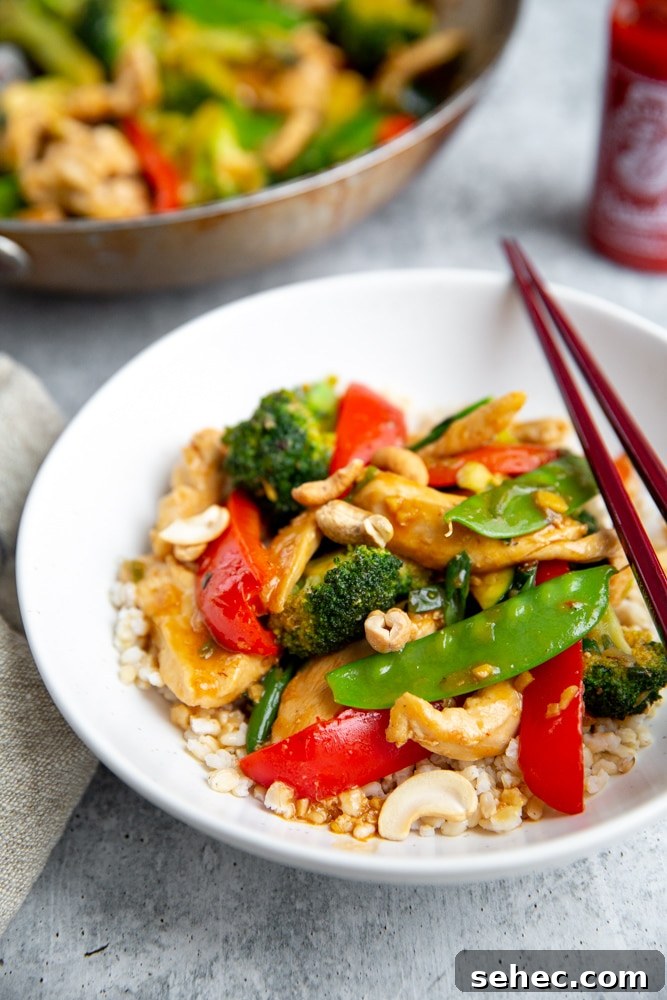
Veggie variation
A vegetable stir fry is one of the easiest ways to use produce before it goes to waste. It is also a great way to cook with seasonal vegetables. Try broccoli with bell peppers and snow peas, eggplant with summer squash and spinach, or green beans with bok choy. The key is to group vegetables by cooking time so firmer vegetables go in first and softer vegetables are added near the end.
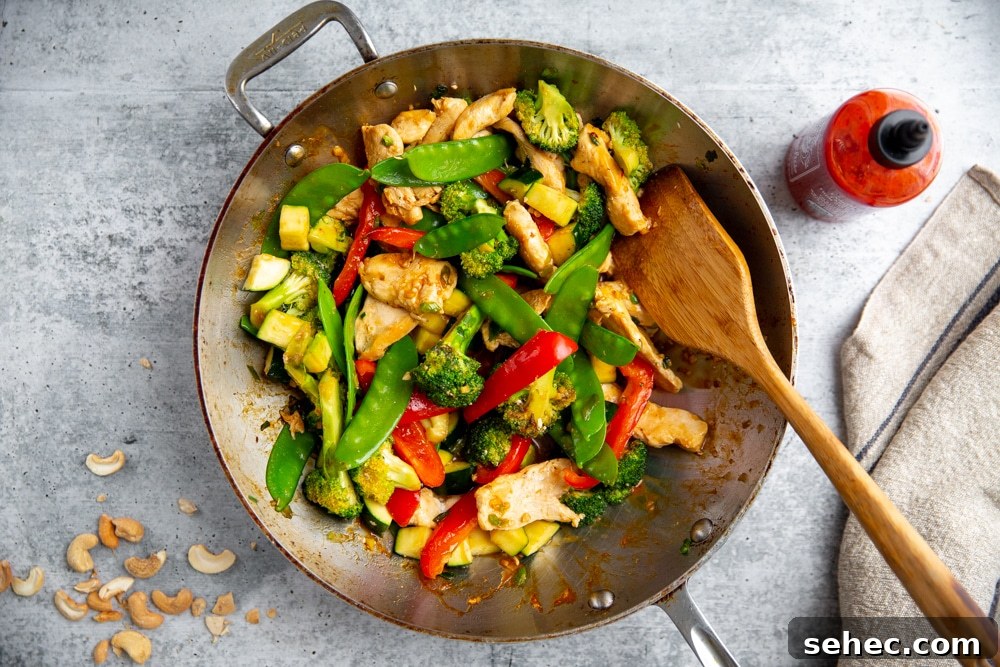
Tips for this recipe
- Use a large skillet or flat-bottomed wok so the vegetables have enough room to sear instead of steam.
- Make the stir fry sauce ahead of time if you want an easier dinner. It can be refrigerated for up to 5 days.
- Chop the vegetables in the morning or the day before to save time.
- Preheat the pan well before adding oil or ingredients. High heat helps create caramelization and better flavor.
- Cut proteins into thin, even pieces so they cook quickly and stay tender.
- Keep stirring, tossing and adjusting as needed, but avoid overcrowding the pan.
FAQs
Use boneless, skinless chicken breasts, thighs or cutlets. Slice the chicken thinly against the grain so it cooks quickly and stays tender.
Use flank steak, skirt steak, sirloin steak or tenderloin. Slice the beef thinly against the grain to prevent it from becoming tough.
Store leftover stir fry in an airtight container in the refrigerator. Reheat it in the microwave until warmed through.
Yes. Add frozen vegetables directly to the hot pan without thawing them first.
You do not need a wok. Use the largest skillet you have so there is plenty of surface area for browning and caramelization.
Other meals you might like
- Vietnamese Inspired Rice Noodle Salad
- Thai Peanut Noodles
- Slow Cooker Massaman Curry
- Spicy Salmon Sushi Burrito Wraps
- Slow Cooker Dal
- Crispy Vietnamese Rice Crepes with Pork
Stay connected

Subscribe
Get weekly recipe inspiration, cooking tips and simple ideas for making meals feel easier and more enjoyable.
Get the recipe

How to Make a Healthy Stir Fry with Any Veggies & Protein
Equipment
-
Large skillet or wok
Ingredients
- 3 tablespoons neutral vegetable oil, such as grapeseed or safflower, divided
Protein
- 1 pound protein, such as thinly sliced flank steak, skirt steak, boneless skinless chicken breasts or thighs, pork tenderloin, peeled and deveined shrimp, or firm tofu cubes
- Salt and freshly ground black pepper
Hardy vegetables
- 3-4 cups hardy vegetables, such as broccoli florets, cauliflower florets, sliced carrots, sliced bell peppers, green beans or cubed eggplant
Aromatics
- 3 large garlic cloves, minced
- 1-2 tablespoons minced ginger
- 3 green onions or shallots, thinly sliced, plus more for serving
Tender vegetables
- 3-4 cups tender vegetables, such as snow peas, snap peas, garden peas, diced zucchini, diced summer squash, sliced mushrooms, baby spinach, chopped baby bok choy, chopped Swiss chard or bean sprouts
Stir fry sauce
- 1 batch stir fry sauce
For serving
- Cooked rice or quinoa
- Chopped cashews, peanuts or toasted sesame seeds, optional
- Sriracha or chile sauce, optional
Instructions
Partially cook the protein
-
Heat a large flat-bottomed wok or skillet over high heat until very hot. To test it, flick in a drop of water; it should evaporate immediately. Swirl in 1 tablespoon of oil. Add the protein and season with salt and pepper. Sauté, stirring occasionally, until lightly caramelized outside but still slightly undercooked in the center, about 2 minutes. Transfer to a plate.
Start the hardy vegetables
-
Add another tablespoon of oil to the pan, then add the hardy vegetables. Cook, stirring occasionally, until caramelized in spots, about 4 to 5 minutes.
Add the aromatics
-
Push the vegetables to one side of the wok or skillet. Add the remaining tablespoon of oil to the empty side, then add the garlic, ginger and green onions. Cook, stirring, for 30 seconds.
Add the tender vegetables
-
Add the tender vegetables and toss everything together. Cook, stirring constantly, until the vegetables are crisp-tender, about 1 to 3 minutes.
Add the stir fry sauce
-
Return the protein to the pan. Whisk or shake the stir fry sauce to evenly distribute the thickener, then pour it into the pan. Cook, stirring gently, until the sauce comes to a boil and coats the protein and vegetables, about 1 minute. Season to taste with salt and pepper.
Serve
-
Serve the stir fry over rice or quinoa. Sprinkle with sliced green onions, and garnish with chopped cashews, peanuts or toasted sesame seeds if desired. Add sriracha or chile sauce for heat.
Notes
- Use a large 12- to 14-inch skillet or a flat-bottomed wok for the best texture.
- Make the stir fry sauce ahead and refrigerate it for up to 5 days.
- Preheat the pan thoroughly before cooking.
- Chop all vegetables, aromatics and protein before you begin.
- Add ingredients in stages so everything cooks evenly and stays crisp-tender.