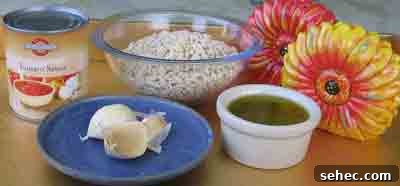
“Aman vre Lulu, you’re not the first person to burn something!” That may be true, but it is still frustrating when a simple dish goes wrong, especially when it happens more than once. Manestra, also known as orzo in tomato sauce, should be an easy, comforting meal: a little olive oil, garlic, tomato sauce, water, seasoning, and small pasta simmered until tender. It is exactly the kind of recipe you want on a busy day when you do not have time to chop a long list of ingredients or stand over a complicated meal. Still, even a simple orzo recipe has a few small traps. After making every possible mistake, I can now share the practical lessons that make this dish turn out soft, saucy, and satisfying instead of sticky, undercooked, or scorched. Think of this as a friendly guide to getting manestra right the first time.
Mistake #1 – Not cooking it long enough.
The cooking time printed on a package of orzo usually assumes that the pasta is being boiled in a large pot of water. That is not the same as simmering orzo slowly in tomato sauce. Tomato sauce is thicker, the heat is gentler, and the pasta absorbs liquid at a different pace. If you follow the package time exactly, you may end up with orzo that looks done but still tastes firm and chalky in the center. For this manestra recipe, plan on a longer cooking time, usually about 30 to 45 minutes, depending on the pan, the heat, and how quickly the sauce thickens. The best test is simple: taste it. Stir well, take a small spoonful, and check the texture before serving. Do not wait until you have eaten a bowl of undercooked pasta to admit that it needed more time. The finished orzo should be tender, coated in tomato sauce, and thick enough to spoon onto a plate without being dry.
Mistake #2 – Not using nonstick cookware
After the undercooked batch, it is tempting to reach for the prettiest pot in the kitchen. A heavy enameled cast iron brasier may look beautiful in photos and feel sturdy on the stove, but if it is not nonstick, orzo can cling to the bottom as it simmers. Even with regular stirring, those tiny pasta shapes like to settle and stick, especially as the tomato sauce reduces and thickens. In one attempt, the orzo did not actually burn, but it stuck so much that it felt dangerously close. The rescue was to turn off the heat and let the pan sit for a while. After about half an hour, the stuck pasta softened enough to stir back into the sauce, and the cooking could continue. That saved dinner, but it also made the timing impossible to predict. A nonstick pot or deep nonstick sauté pan makes this recipe easier and gives you a little more room for error. If you use a heavier pan that is not nonstick, keep the heat very low, stir more often than you think you need to, and watch the bottom carefully.
Mistake #3 – Keeping the heat too high and not stirring often enough.
Nonstick cookware helps, but it does not make the dish impossible to burn. The biggest problem is heat. Orzo in tomato sauce should simmer gently, not bubble aggressively. If the flame is too high, the sauce thickens quickly, the pasta settles, and the bottom layer can scorch before the top looks suspicious. It is also important not to wander away for too long. A few minutes is fine; twenty minutes without stirring is asking for trouble. Once tomato sauce and pasta burn onto the bottom of the pot, the flavor can spread through the whole dish. The safest approach is to turn the heat as low as it will go once the water and orzo have been added, then stir frequently, scraping the bottom each time. If the mixture becomes too thick before the orzo is tender, add a small splash of water and keep simmering. The goal is patient, gentle cooking. Manestra is simple, but it rewards attention.
Ingredients:
3 TB olive oil
2 or 3 cloves of garlic, sliced or chopped
1 8-oz can of tomato sauce
3 cans of water
1/2 pound (about 1 cup) of orzo or menestra
1/2 tsp salt
1/4 tsp black pepper
Cook It!
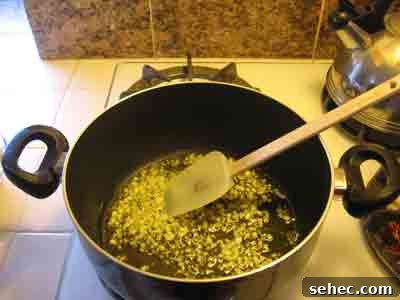
Heat the olive oil in a nonstick pot or deep pan over medium-low heat. Add the sliced or chopped garlic and sauté it only until fragrant. This takes just a few seconds. Do not let the garlic turn brown, and do not even push it to golden, because it will continue to flavor the oil and can become bitter if it cooks too long. The garlic should gently perfume the oil and create the base for the tomato sauce.
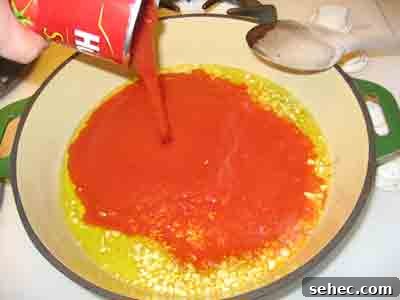
Add the tomato sauce to the pan and stir it into the garlic oil.
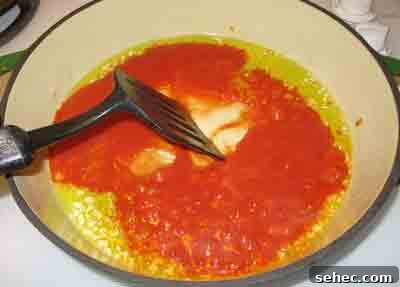
Let the tomato sauce sauté gently for about 5 minutes. This short cooking time helps the sauce deepen slightly before the pasta and water are added. Keep the heat moderate and stir so the sauce does not splatter or stick.
Using the empty tomato sauce can as a measure, add 3 cans of water. Add the salt, black pepper, and orzo or menestra. Stir everything very well, making sure the pasta is evenly distributed and not sitting in a pile at the bottom of the pot.
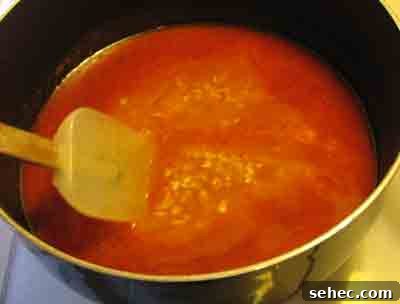
Bring the mixture to a gentle simmer, then reduce the heat to very low. Cook for about 45 minutes, stirring frequently and scraping the bottom of the pan as you stir. Taste the orzo as it cooks so you can judge when it is tender. If the sauce thickens too much before the pasta is fully cooked, add a little water and continue simmering. Serve the manestra warm with bread and feta on the side, or top the orzo in tomato sauce with grated cheese if you prefer.
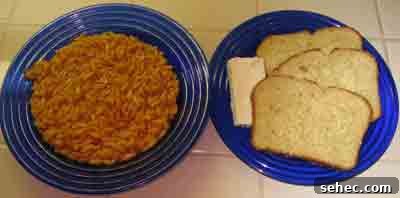
This easy manestra recipe is a comforting way to make orzo in tomato sauce with basic pantry ingredients. The key is not complicated technique, but patience: use low heat, stir often, and let the pasta cook until it is truly tender.