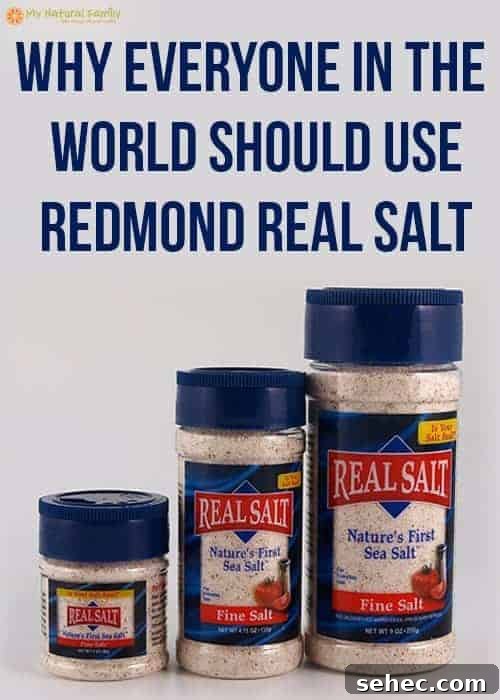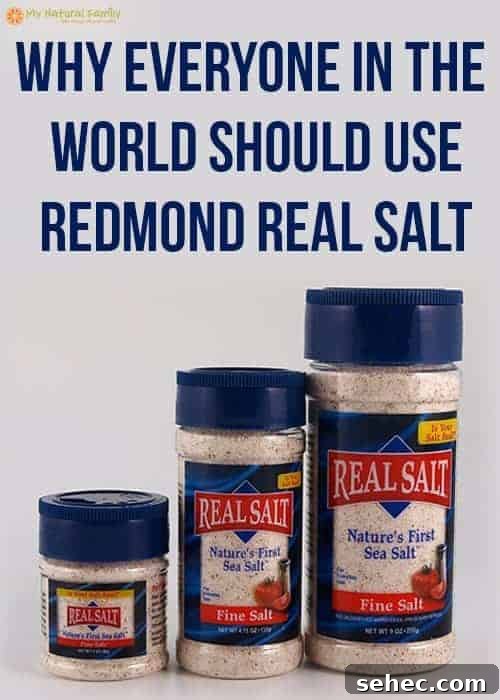
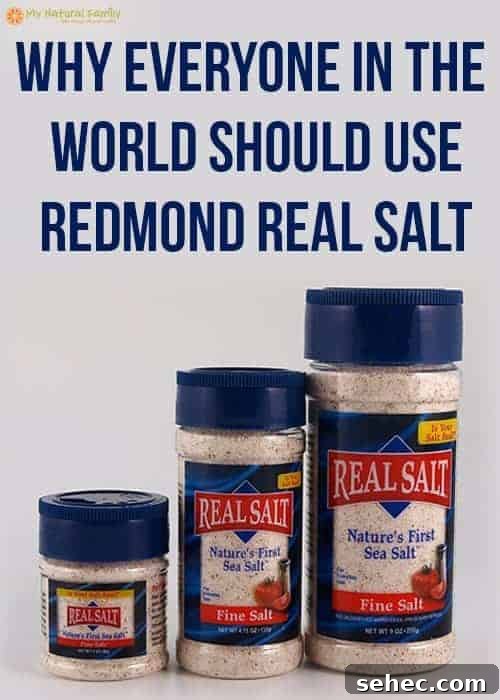
If you are interested in natural cooking ingredients, you may have wondered about Redmond Real Salt health benefits and how this unrefined salt compares with ordinary table salt or common sea salt. Redmond Real Salt is often chosen by people who prefer a less processed option with a fuller, more complex flavor. Many home cooks like it because it tastes clean, enhances food well, and contains naturally occurring trace minerals that are typically removed during the refining process used for standard table salt.
Redmond Real Salt is unrefined, which means it is not heavily processed, bleached, or stripped down to plain sodium chloride in the same way many commercial salts are. It is also not made by evaporating modern seawater. Instead, it is valued for its natural mineral content and for the fact that it does not rely on the same additives often found in refined salt. For people trying to reduce highly processed foods in their kitchen, switching to an unrefined salt can be a simple and practical step.
One reason many people prefer unrefined salt is that ordinary table salt may contain additives used to improve flow, stabilize iodine, or prevent clumping. These additives can include anti-caking agents and, in some cases, sugar-based stabilizers. While the amount may be small, many natural-food shoppers prefer to avoid unnecessary ingredients whenever possible. Redmond Real Salt offers a more straightforward option: salt with its naturally occurring minerals left intact.
Using unrefined salt promotes a healthy pH
Supporters of unrefined salt believe it can play a helpful role in a balanced, mineral-rich diet. Minerals are important for hydration, nerve signaling, muscle function, and overall wellness. Because unrefined salt retains trace minerals, it is often viewed as a better choice than refined salt by people following holistic nutrition principles. Some natural health practitioners also suggest that adequate mineral intake may support a healthy internal balance, including normal pH regulation.
It is important to remember that salt is only one part of a healthy lifestyle. A nourishing diet, clean water, regular movement, quality sleep, and appropriate medical care all matter. Unrefined salt should not be treated as a cure for any medical condition, but it can be a flavorful, less processed replacement for refined table salt in everyday cooking.
Hypertension (Blood Pressure) and Salt
Salt and blood pressure are often discussed together, and many people have been told to reduce sodium intake. However, the relationship between salt and hypertension can be more complex than simply saying all salt is bad. Some practitioners, including Dr. Brownstein, have argued that mineral balance, hydration, stress, diet quality, and overall nutrient status may also influence blood pressure.
Advocates of unrefined salt believe that it is different from refined salt because it provides trace minerals along with sodium chloride. They often recommend using it with adequate water intake rather than avoiding salt entirely. Still, anyone with high blood pressure, kidney disease, heart disease, or a sodium-restricted diet should follow the advice of a qualified healthcare professional before changing salt intake. Too much salt of any kind can be a problem for some people, especially those with specific medical conditions.
Are Low-Salt Diet’s Harmful?
Some researchers and natural health practitioners have questioned whether very low-salt diets are helpful for everyone. Salt is essential for life, and the body uses sodium for fluid balance, nerve transmission, and muscle contraction. When salt intake is too low, some people may experience fatigue, weakness, headaches, muscle cramps, or poor exercise tolerance. Low sodium levels can also become dangerous in certain circumstances, especially when large amounts of water are consumed without enough electrolytes.
That does not mean everyone should eat a high-salt diet. The goal is balance. People who eat mostly whole foods may need to season their food to taste, while people who eat many packaged or processed foods may already be consuming more sodium than they realize. Choosing Redmond Real Salt does not automatically make a diet healthy, but it can improve the quality of the salt used in home-prepared meals.
Refined salt should be avoided
Many people choose to avoid refined salt because it is heavily processed and often contains additives. During refining, salt is stripped of most naturally occurring trace minerals, leaving a product that is primarily sodium chloride. It may then be treated to improve texture, whiteness, shelf stability, or flow. For those who prefer traditional and minimally processed foods, this makes refined table salt less appealing.
Using unrefined salt in place of refined salt is an easy kitchen upgrade. It can be used in soups, stews, roasted vegetables, meats, homemade salad dressings, sauces, and baked goods. Because the flavor is often stronger and more rounded, many people find they can season food more satisfyingly.
Salt and the Adrenal Glands
In holistic health circles, unrefined salt is often discussed in connection with adrenal support. The adrenal glands help regulate stress hormones and fluid balance, and sodium is one of the minerals involved in that process. Some people who feel run down or depleted are encouraged by natural health practitioners to pay attention to hydration and mineral intake, including healthy sources of salt.
While unrefined salt may support normal electrolyte balance, ongoing fatigue, dizziness, low blood pressure, or suspected adrenal problems should be evaluated by a healthcare professional. Salt can be part of a wellness routine, but it should not replace proper diagnosis or treatment.
Sea salt and unrefined mineral salts may contain naturally occurring minerals, but iodine intake should also be considered. Iodine is an essential nutrient, and people who do not use iodized salt or who avoid iodine-rich foods may need to discuss iodine sources with a qualified practitioner.
Iodine in Refined Salt
Refined table salt is often iodized, meaning iodine has been added to help prevent iodine deficiency. Some people prefer to get iodine from naturally occurring food sources or carefully chosen supplements instead of iodized refined salt. Others rely on iodized salt as a practical source of this essential nutrient. The best choice depends on diet, health needs, and professional guidance.
Redmond Real Salt can be used for much more than seasoning dinner. People commonly use unrefined salt in homemade electrolyte drinks, saltwater gargles, soaks, scrubs, and general food preservation. Supporters also mention its use in routines related to hydration, exercise recovery, dry skin, muscle cramps, and mineral replenishment. As with any wellness practice, use common sense and seek medical advice for persistent symptoms or serious health concerns.
You may also like…
-
Redmond Real Salt Health Benefits
-
Cut Your Grocery Bill in Half While Eating Healthy on a Budget
-
Is Dark Chocolate Paleo? I Can Answer that Question for You
-
The Best Paleo Meal Plan to Simplify Your Life