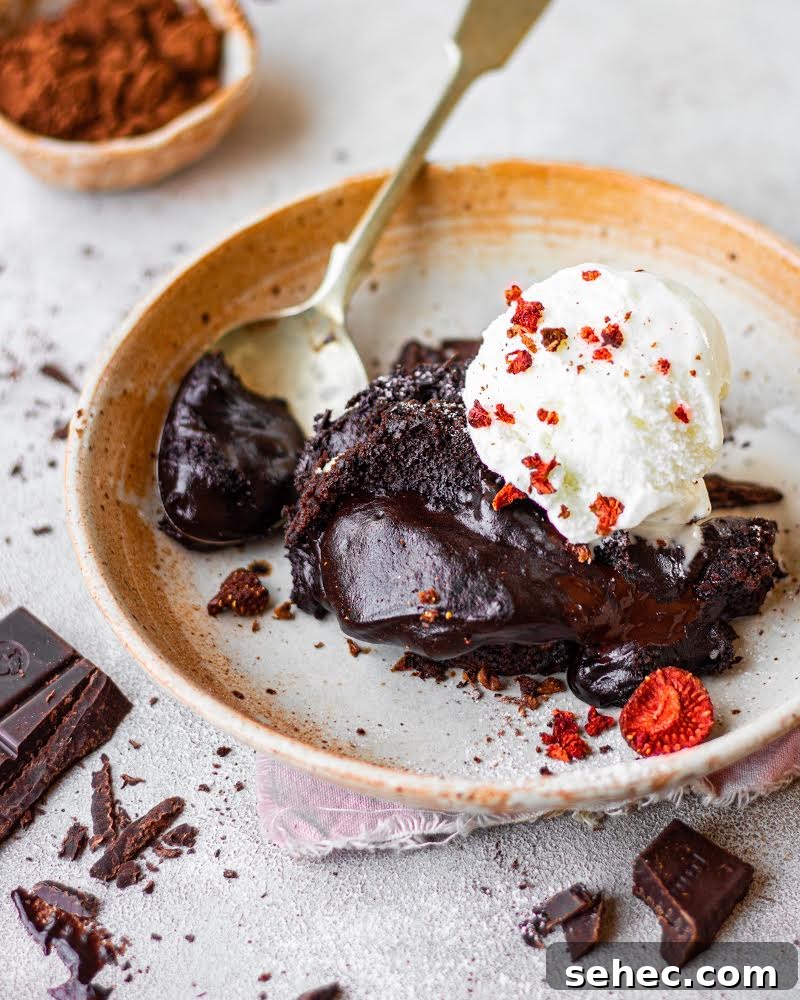
Not everyone realizes how important cocoa powder is in baking, but it is one of the ingredients that can completely transform a dessert. Whether you are making chocolate cake, brownies, cookies, cupcakes, or a rich chocolate frosting, good cocoa powder adds depth, color, aroma, and that unmistakable chocolate flavor. It is often the ingredient that takes a simple dessert from ordinary to truly memorable.
The world of chocolate can feel huge and confusing, but cocoa powder is one of the best places to start. It is the base of many chocolate desserts, and the quality you choose can make a clear difference in the final result. Many widely available brands work well for everyday baking, but if you ever find a better-quality, more authentic cocoa powder, it is worth trying. A darker, richer cocoa powder can bring a beautiful intensity to cakes and brownies, especially when the recipe depends heavily on chocolate flavor.
Cocoa Powder Benefits
Cocoa powder is loved mainly for its flavor, but it also has some qualities that make it a useful ingredient beyond baking. Cocoa naturally contains plant compounds that are often associated with heart health, better blood flow, and overall well-being when consumed as part of a balanced diet. Like chocolate, cocoa can also feel comforting and may help lift your mood, which is one reason chocolate desserts are so satisfying.
Unsweetened cocoa powder is also a good choice when you want control over the sweetness in your recipe. Since it does not already contain added sugar, you can adjust the amount of sugar, jaggery, honey, or any other sweetener according to the dessert you are making. This makes it especially useful for cakes, brownies, hot chocolate, and chocolate sauces where balance matters.
Cocoa powder is sometimes used in homemade skin care as well, especially in scrubs and masks. Its fine texture can help gently exfoliate the skin when combined with suitable ingredients. However, for baking, its real magic is in the way it adds a deep chocolate taste without adding extra fat or moisture to the recipe.
What Is Dutch Processed Cocoa Powder?
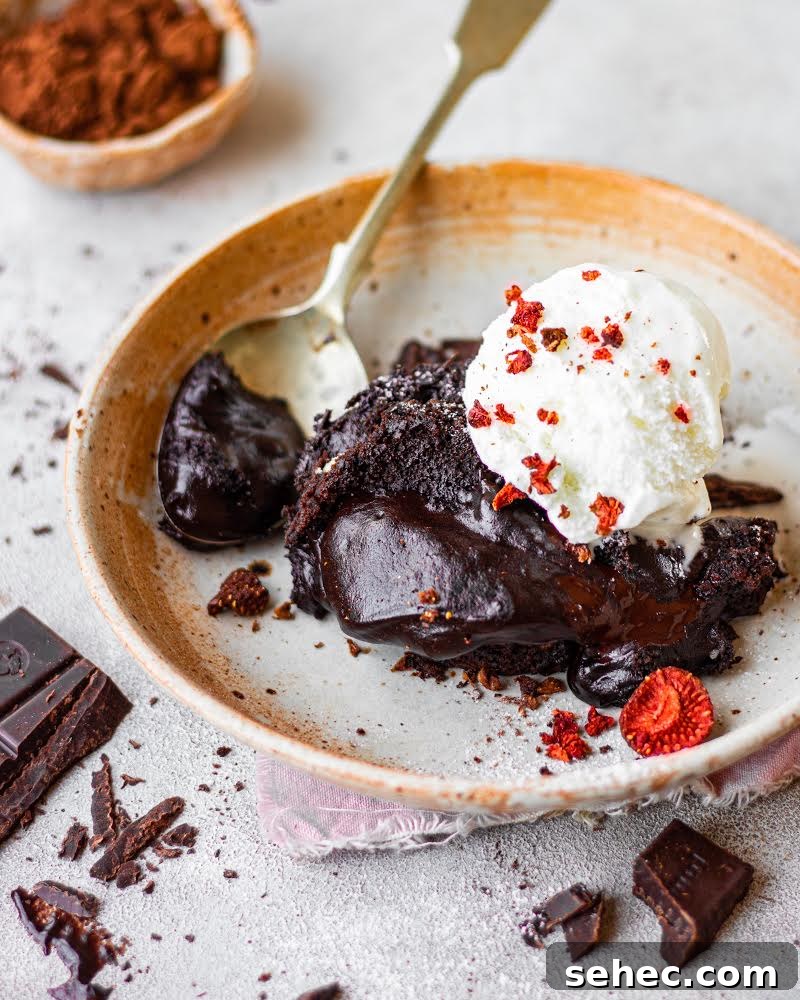
Dutch processed cocoa powder is a type of cocoa powder that has been treated with an alkaline solution. This process reduces its natural acidity and gives it a smoother, milder flavor. It also makes the cocoa powder darker in color, which is why desserts made with Dutch processed cocoa often look beautifully rich and chocolatey.
One of the biggest advantages of Dutch processed cocoa powder is how easily it blends into batters and liquids. The texture is usually smoother, so it mixes well in cake batter, brownie batter, hot chocolate, frosting, and sauces. The flavor is also more balanced. Instead of tasting sharp or overly intense, it gives a rounded cocoa flavor that works beautifully with other ingredients.
Because Dutch processed cocoa powder is less acidic, it does not react with baking soda in the same way natural cocoa powder does. This is important in baking because the leavening agents in a recipe are carefully chosen. If a recipe specifically calls for Dutch processed cocoa powder, it is best to use it as written for the most reliable texture, rise, and flavor.
Dutch Processed Versus Natural
Natural cocoa powder is made from roasted cocoa beans that are ground after most of the cocoa butter has been removed. It is not treated with an alkaline solution, so it keeps its natural acidity. Because of this, natural cocoa powder usually has a sharper, more intense cocoa taste compared with Dutch processed cocoa powder.
Natural cocoa powder is often lighter in color and can sometimes feel a little more difficult to mix smoothly into batters. To avoid lumps, it is always a good idea to sieve it before adding it to your recipe. Sieving helps break up stubborn clumps and ensures the cocoa spreads evenly through the flour, sugar, or liquid mixture.
The main difference between natural and Dutch processed cocoa powder is how they behave in recipes. Natural cocoa powder is acidic, so it is commonly paired with baking soda. Dutch processed cocoa powder is neutral or less acidic, so it is usually used in recipes that rely on baking powder or other leavening methods. If a recipe clearly mentions one type, follow it as closely as possible. Substituting one for the other can affect the rise, texture, color, and flavor of the dessert.
What Is Meant by Unsweetened Cocoa Powder?
Unsweetened cocoa powder simply means cocoa powder without added sugar. The sweetness in your dessert will come from the sweetener you add separately, not from the cocoa powder itself. This gives you much better control over the final taste of your cakes, brownies, cookies, and drinks.
In many places, including India, people often come across cocoa-based powders that may already contain sugar or other added ingredients. These can make desserts sweeter than intended and may not give the same strong cocoa flavor. For baking, unsweetened cocoa powder is usually the better choice because it provides a clean chocolate taste and lets you adjust the sugar according to the recipe.
There is no perfect substitute for unsweetened cocoa powder if the recipe depends on its flavor and structure. The best option is to use a naturally unsweetened cocoa powder whenever possible. It keeps your dessert balanced and helps you achieve a more professional result.
Why Can’t I Use Cocoa Powder to Make Ganache?
Traditional ganache is made with chocolate and cream, and sometimes butter is added for extra richness and shine. The reason cocoa powder is not normally used for classic ganache is that ganache needs fat to create its smooth, glossy, luxurious texture. Chocolate contains cocoa solids as well as cocoa butter, while cocoa powder is made after much of the fat has been removed.
Baking is a science as much as it is an art. Ingredients are used for specific reasons, and changing them can change the texture and result. Cocoa powder can add chocolate flavor, but it cannot replace the fat and structure that real chocolate gives to ganache. For a proper ganache, it is simpler and more reliable to use chocolate with cream or butter, depending on the recipe.
How Do I Store It to Make Sure It Doesn’t Lose Its Flavor?
Storing cocoa powder is easy, but it must be done properly if you want it to keep its flavor. Cocoa powder does not like moisture, just like coffee. Always store it in an airtight container and keep it in a cool, dry place away from steam, sunlight, and strong-smelling ingredients.
A kitchen cabinet or pantry shelf works well as long as it is not close to the stove or any area that gets warm and humid. Always use a clean, dry spoon when taking cocoa powder from the container. Moisture can cause clumping and may affect the quality over time. When stored correctly, cocoa powder stays fresh, aromatic, and ready for your next dessert.
Brands That I Prefer
The cocoa powder brands I use are the ones that are commonly available and reliable for everyday baking. Hershey’s is a popular option, especially in India, because it is unsweetened, reasonably priced, and works well in cakes, brownies, cookies, and frostings. It gives a good chocolate flavor without making the dessert overly sweet.
Weikfield is another option you can consider if it is easily available to you. The best cocoa powder for you will depend on your recipe, budget, and taste preference. If you bake often, try a couple of brands and compare the color, aroma, texture, and final flavor in your desserts. Once you find one that gives you consistent results, keep it stocked in your pantry.
Good cocoa powder is a small ingredient with a big impact. Choose the right type, store it well, and use it thoughtfully, and your chocolate desserts will taste richer, deeper, and far more satisfying.