A well-stocked Filipino pantry makes it easier to cook comforting, flavorful meals at home. With the right staples on hand, you can build the authentic taste of Filipino cuisine using familiar ingredients such as rice, vinegar, soy sauce, fish sauce, coconut milk, dried seafood, aromatics, and seasonings.
This guide to Filipino pantry essentials will help you decide what to keep in your kitchen so you can prepare everyday dishes with confidence. From savory adobo to creamy coconut-based recipes, these ingredients bring the bold, balanced, and deeply satisfying flavors of the Philippines to your table.
Filipino Pantry Essentials: What’s in My Filipino Pantry
Filipino cooking is known for its balance of salty, sour, sweet, savory, and sometimes spicy flavors. Many classic dishes start with simple pantry ingredients, then build depth through slow cooking, sautéing, simmering, or marinating. Whether you are new to Filipino food or already cook it often, keeping these essentials nearby will make meal preparation easier and more enjoyable.
Rice: The Everyday Foundation
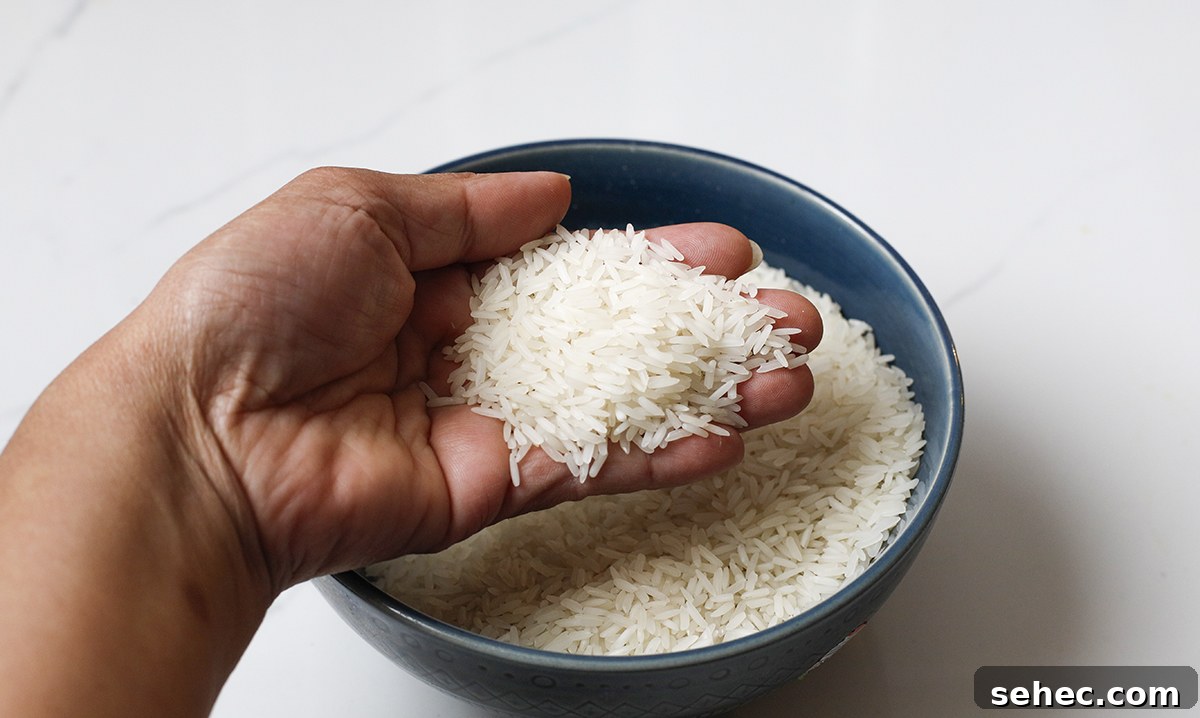
Rice is at the heart of the Filipino table. It is more than a side dish; it is the base of many meals and the perfect partner for saucy, savory, and grilled dishes. In many Filipino homes, rice is served for breakfast, lunch, and dinner. It pairs beautifully with adobo, stews, fried fish, vegetables, and almost any dish with a rich sauce.
White rice is the most common everyday choice, but other varieties such as jasmine rice, basmati rice, and sushi rice can also be useful depending on what you are cooking. A rice cooker or pressure cooker makes it easy to prepare consistent, fluffy rice whenever you need it.
Fish Sauce (Patis) and Soy Sauce (Toyo): The Savory Staples
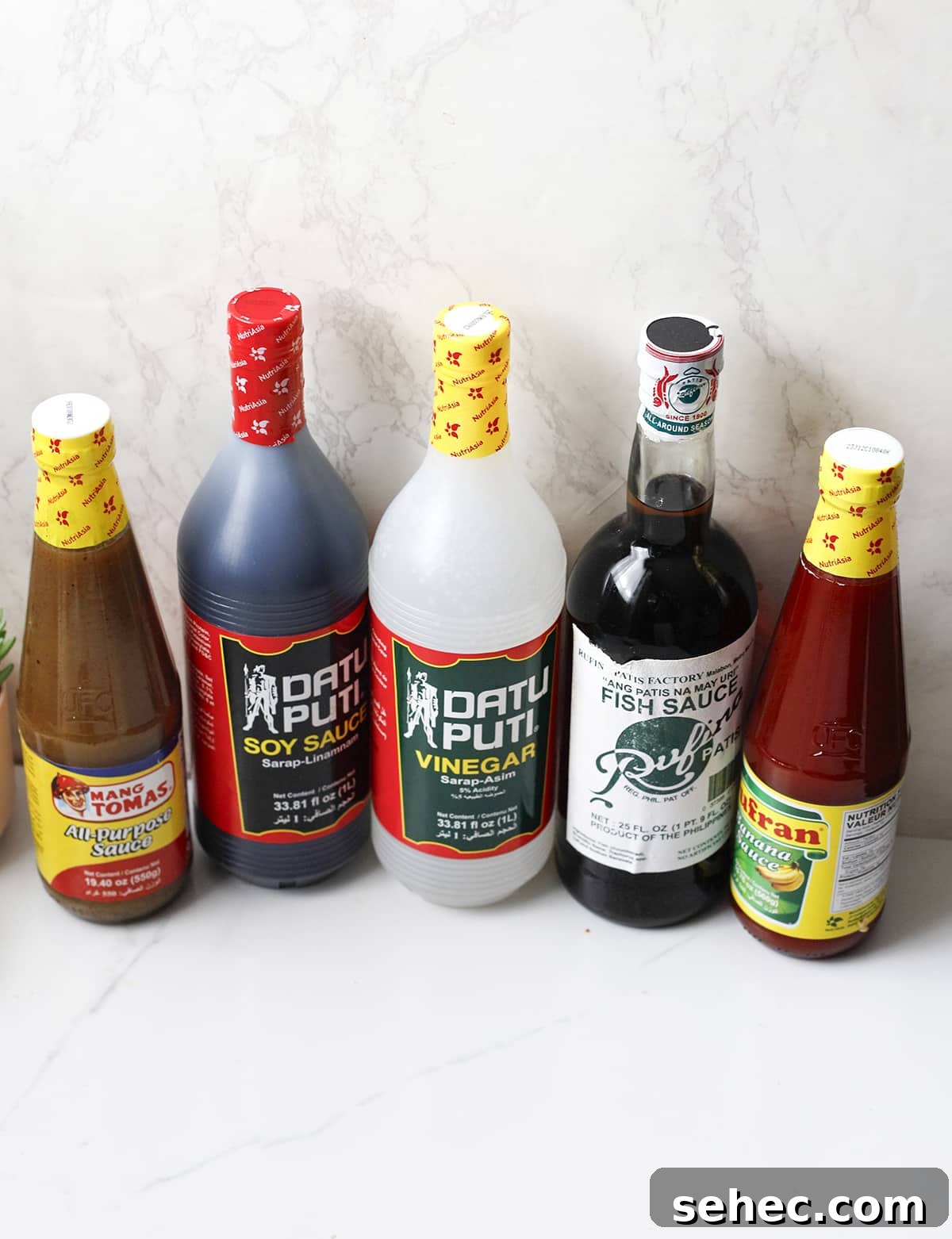
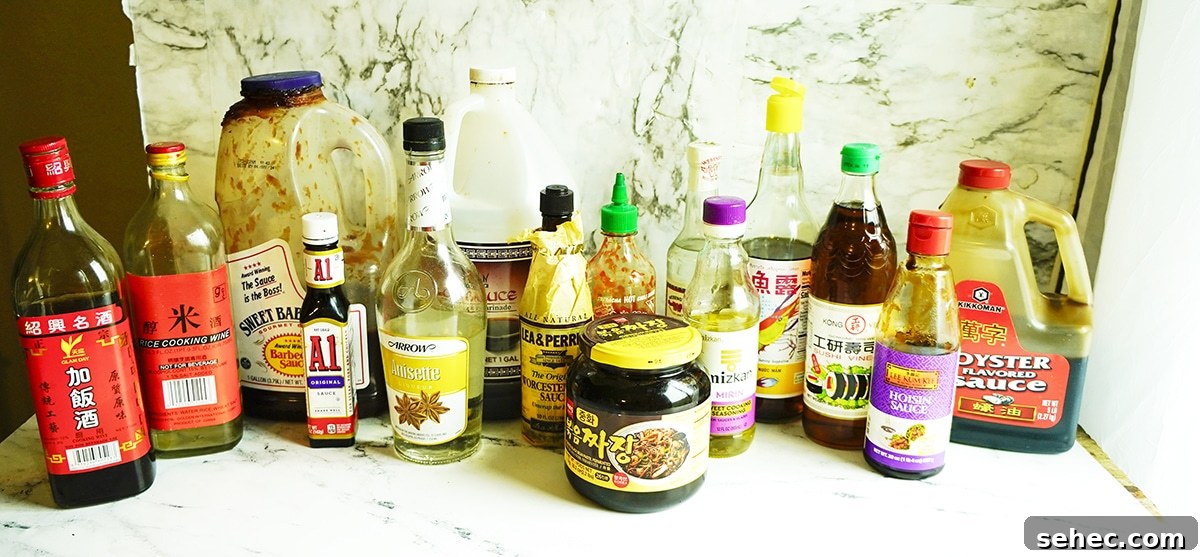
- Fish sauce, known as patis, and soy sauce, known as toyo, are two of the most important Filipino pantry essentials. Fish sauce adds a salty, savory depth, while soy sauce brings color, aroma, and umami. Together, they are used in marinades, dipping sauces, stir-fries, soups, and stews. Soy sauce is also one of the key ingredients in many versions of adobo, one of the most beloved Filipino dishes.
Vinegar (Suka): The Filipino Sour Element
- Vinegar, or suka, is essential in Filipino cooking. It gives dishes their signature tang and helps balance salty and rich flavors. It is used in adobo, paksiw, dipping sauces, marinades, and pickled vegetables. Filipino vinegars can vary in taste, from cane vinegar to coconut vinegar, but a good bottle of vinegar is always worth keeping in the pantry.
Garlic and Onions: Aromatic Foundations
- Garlic and onions are the starting point for countless Filipino recipes. They are often sautéed in oil before adding meat, seafood, vegetables, or sauces. Garlic gives dishes a warm, bold flavor, while onions add sweetness and depth. Keeping both on hand allows you to build a strong flavor base for everyday cooking.
Cooking Oil: For Sautéing, Frying, and Flavor
Cooking oil is another basic pantry item that supports many Filipino cooking methods. It is used for sautéing aromatics, frying fish, cooking eggs, and crisping meats. Neutral oils such as canola oil are useful for everyday cooking, while sesame oil can be added in small amounts when you want a nutty aroma, especially in Asian-inspired dishes.
Coconut Milk (Gata): Creamy and Rich
- Coconut milk, or gata, brings richness to both savory and sweet Filipino dishes. In the Philippines, fresh coconut milk is often used, but canned coconut milk is a convenient pantry option. It is essential for dishes such as Bicol Express, ginataang monggo, and many vegetable or seafood recipes cooked in coconut sauce. Its creamy texture helps balance spice, salt, and acidity.
Dried Fish and Shrimp: Concentrated Flavor
- Dried fish and dried shrimp are powerful flavor boosters in Filipino kitchens. Tinapa, tuyo, and alamang are commonly used to add salty, savory intensity to meals. They can be served with rice, added to vegetables, or used to deepen the flavor of sauces and sautés. A little goes a long way, making them practical pantry ingredients.
Annatto Seeds (Achiote): Color and Warmth
- Annatto seeds, also called achiote, are used to add a warm orange-red color to Filipino dishes. They are often infused in oil and used in recipes such as kare-kare and other regional dishes. Annatto does not overpower food, but it gives dishes a beautiful color and subtle earthy note.
Banana Ketchup: A Sweet Filipino Favorite
- Banana ketchup is a popular Filipino condiment with a sweet, tangy flavor. It is often served with fried foods, grilled meats, and Filipino-style spaghetti. Its unique taste gives dishes a familiar Filipino sweetness that sets them apart from versions made with regular tomato ketchup.
Calamansi and Bagoong: Distinct Filipino Flavors
- Calamansi is a small citrus fruit that adds bright, sour flavor to sauces, marinades, and drinks. When fresh calamansi is not available, bottled calamansi juice can be helpful. Bagoong, a fermented shrimp paste, brings a bold umami taste to dishes and dipping sauces. It is especially useful for adding depth to vegetables, stews, and grilled foods.
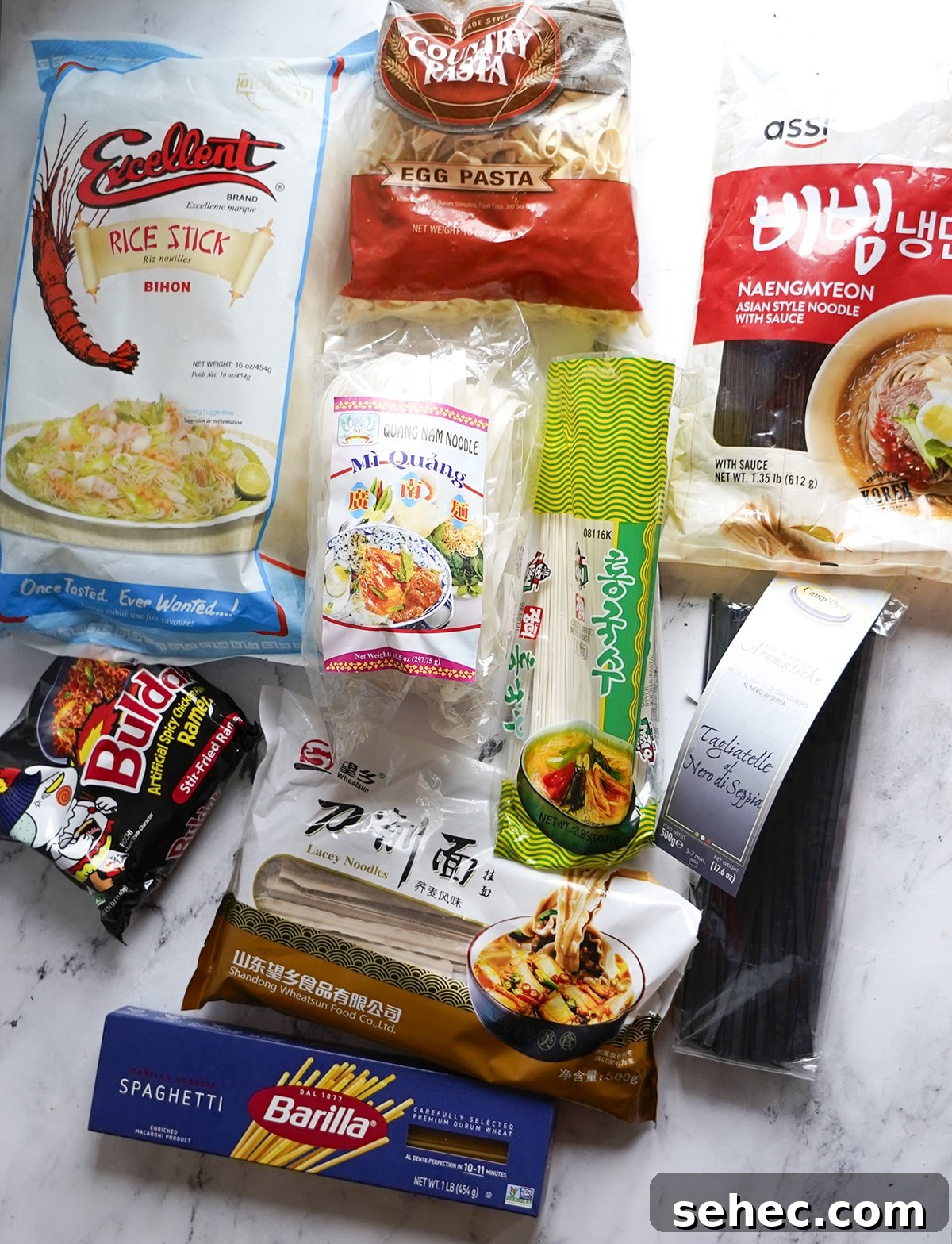
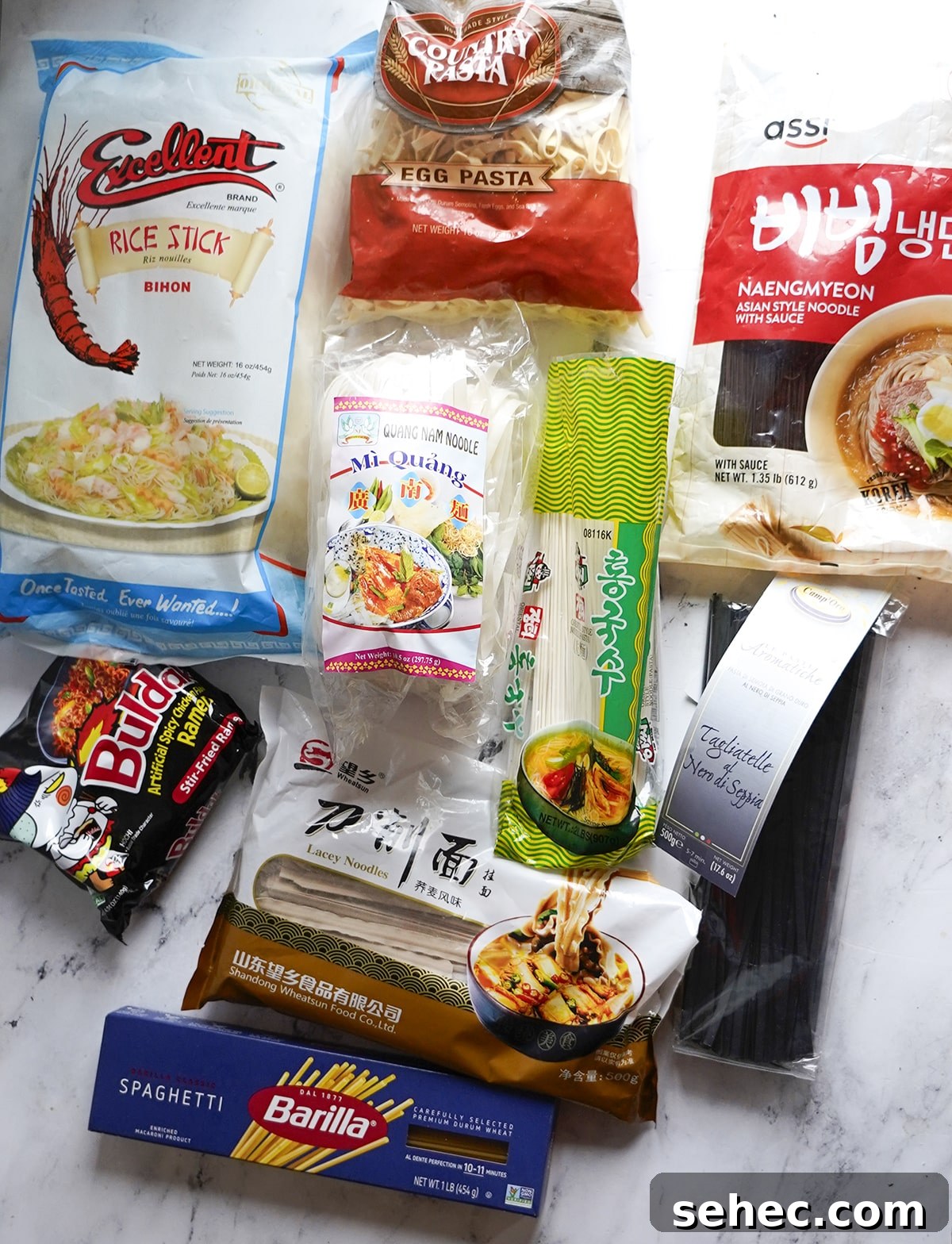
Asian Noodles: Versatile Pantry Additions
Noodles are useful for quick meals, soups, stir-fries, and celebrations. Rice noodles, ramen-style noodles, and other Asian noodles can be cooked with vegetables, meat, seafood, or simple sauces. They are easy to store and can turn basic pantry ingredients into a satisfying meal.
Spices and Seasonings: Filipino Pantry Essentials
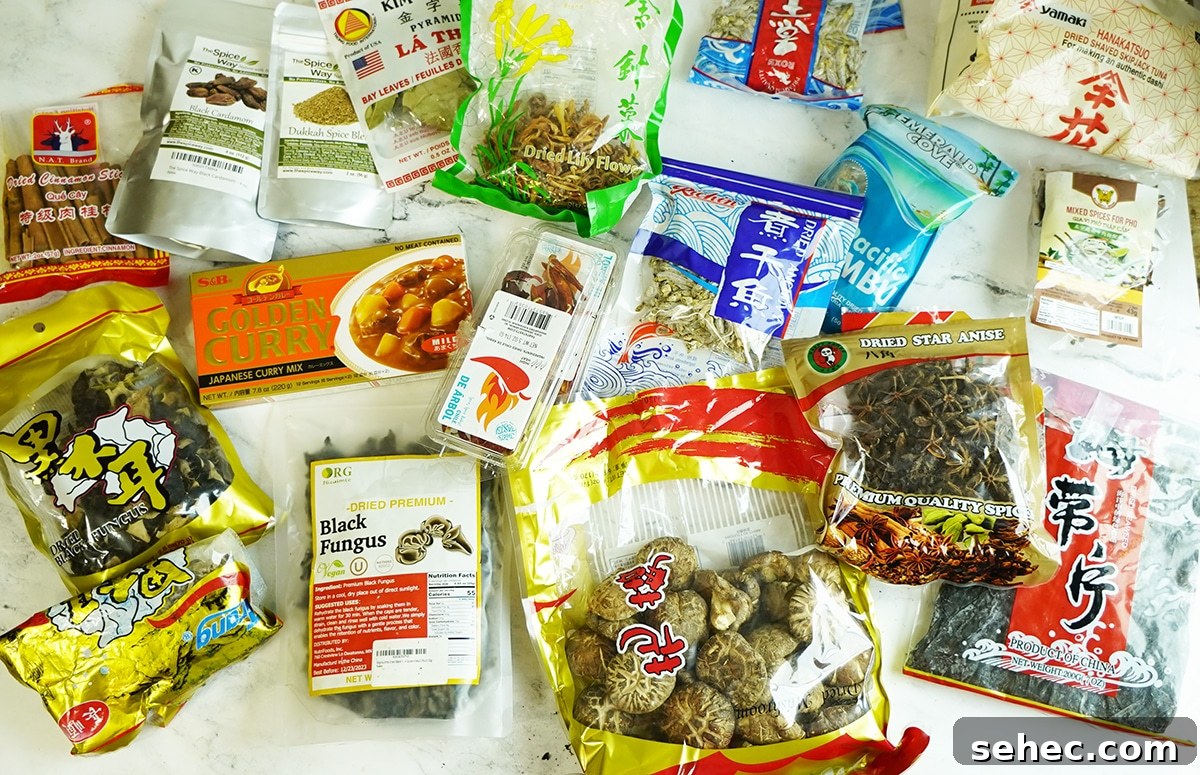
Seasonings help shape the final flavor of Filipino and Asian-inspired dishes. Bay leaves, black pepper, chili flakes, lemongrass, basil, and other herbs can add aroma and complexity. You do not need an overcrowded spice cabinet, but a few reliable seasonings can make everyday meals taste more complete.
Cooking Oils: Useful Flavor Enhancers
In addition to neutral cooking oil, sesame oil and peanut oil can be helpful for certain Asian dishes. Sesame oil is best used as a finishing oil because of its strong nutty flavor. Peanut oil can be useful for high-heat cooking when you want a clean taste and good frying performance.
Curry Paste: For Fast, Flavorful Meals
Curry paste is not traditionally required for every Filipino pantry, but it is a useful ingredient if you enjoy Asian curries and quick one-pot meals. It adds spice, aroma, and depth to coconut milk-based dishes, soups, and stews.
Sriracha: A Spicy Condiment
Sriracha is a convenient hot sauce for adding heat to noodles, rice bowls, sandwiches, and dipping sauces. It is not a traditional Filipino requirement, but it works well when you want a quick spicy kick.
Seaweed: Savory Ocean Flavor
Seaweed such as nori, kombu, and wakame can add a clean, briny taste to soups, rice dishes, and Asian-inspired meals. It is also easy to store and useful when you want extra umami flavor without adding meat.
Sesame Seeds and Oil: Nutty Finishing Touches
Sesame seeds and sesame oil add aroma, texture, and a gentle nutty taste. Sprinkle sesame seeds over noodles, rice bowls, or vegetables, and use sesame oil sparingly to finish dishes just before serving.
Miso Paste: Deep Savory Flavor
Miso paste is made from fermented soybeans, barley, or rice. It is commonly used in Japanese cooking, but it can also add depth to soups, dressings, marinades, and sauces. Its salty, savory flavor makes it a helpful ingredient for quick meals.
Fresh Herbs: A Bright Finish
Fresh herbs such as cilantro, Thai basil, and mint can lift the flavor of rich dishes. They add freshness, aroma, and color, making a meal feel complete. Add them at the end of cooking or just before serving for the best flavor.
FAQs: Your Guide to Asian Pantry Mastery
Where Can You Find Filipino and Asian Pantry Essentials?
Many of these ingredients are available in Asian grocery stores, international markets, and some well-stocked supermarkets. Items such as soy sauce, vinegar, rice, noodles, and coconut milk are usually easy to find.
Are There Vegetarian Options in a Filipino Pantry?
Yes. Rice, noodles, vinegar, coconut milk, spices, aromatics, fresh herbs, and many sauces can fit a vegetarian kitchen. For ingredients like fish sauce or shrimp paste, look for vegetarian alternatives if needed.
What Dishes Can You Make with These Ingredients?
With these pantry essentials, you can make adobo, coconut milk stews, stir-fried noodles, rice bowls, dipping sauces, soups, fried rice, and vegetable dishes. These staples give you a strong starting point for many Filipino and Asian-inspired meals.
Substituting Ingredients: Is It Possible?
Yes. If you cannot find a specific ingredient, you can often use a practical substitute. The flavor may not be exactly the same, but you can still create a delicious dish by balancing salty, sour, sweet, and savory elements.
How Long Do Pantry Essentials Last?
Many pantry items, such as rice, dried noodles, vinegar, soy sauce, canned coconut milk, dried seafood, and spices, have a long shelf life when stored properly. Keep them sealed, dry, and away from direct heat or sunlight. Always check labels and freshness before using.
Building a Filipino pantry does not have to be complicated. Start with the basics, add ingredients as you cook more dishes, and keep the flavors balanced. With these Filipino pantry essentials ready in your kitchen, you can prepare comforting, flavorful meals anytime.