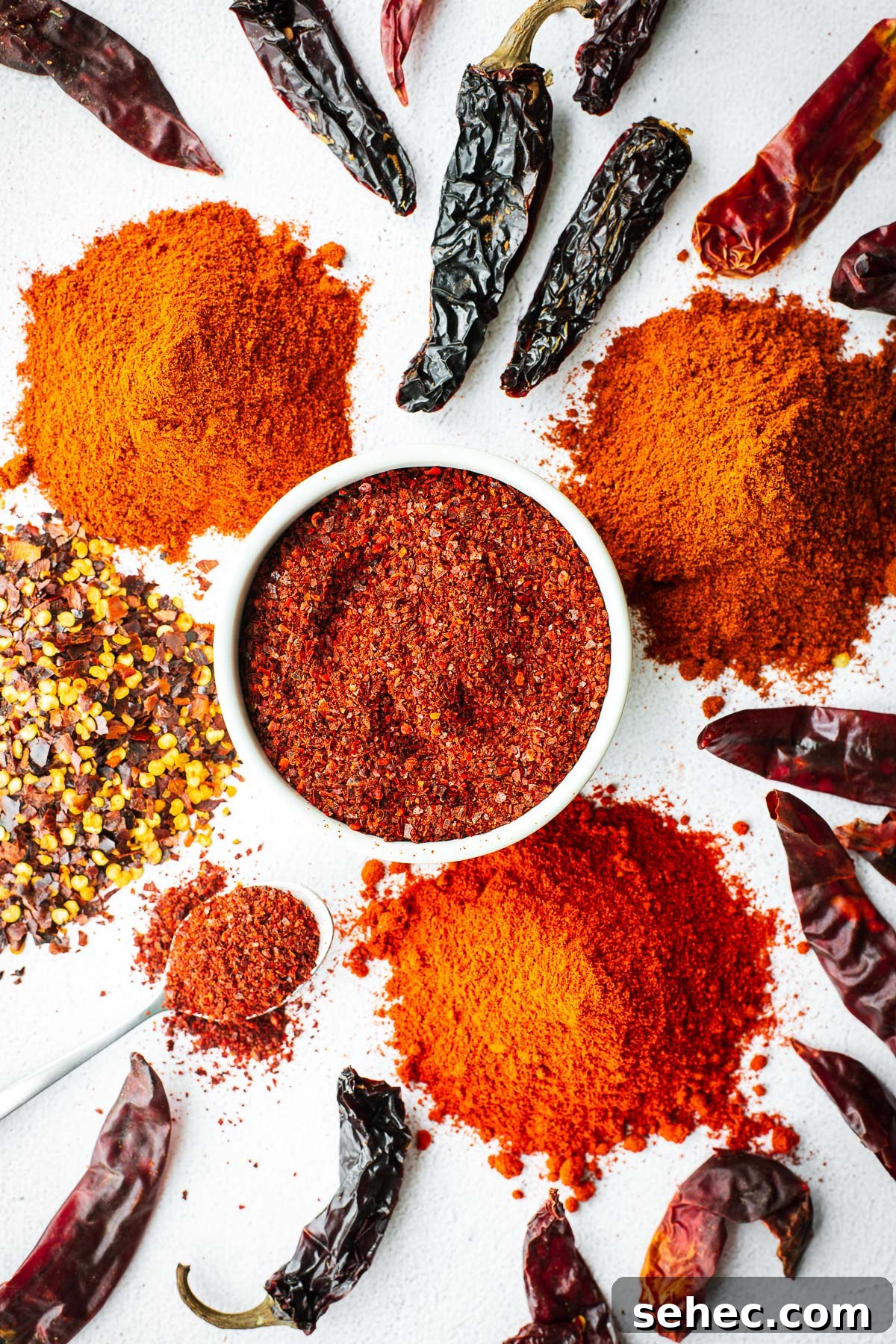
Gochugaru is a vivid red Korean chilli powder with a sweet, gently smoky flavour and a lively heat. It is one of the key ingredients behind the spicy depth of Korean dishes and condiments, especially kimchi and gochujang paste.
The heat level of gochugaru can range from mild to moderately hot. It is made from dried chillies that are typically deseeded before being crushed into coarse flakes or a fine powder. Because the texture and heat can vary, there is not one perfect substitute for every recipe.
After comparing flavour, colour, texture and spice level, the best substitute for hot Korean red pepper flakes is Aleppo pepper flakes, also known as pul biber. For mild gochugaru powder, Kashmiri chilli powder is the closest match. If you need a quick pantry option, use a mix of paprika and cayenne pepper.
Read on to learn what makes gochugaru unique, how it is used in Korean cooking, and which substitute works best for your recipe, or jump straight to thebest gochugaru substitutes.
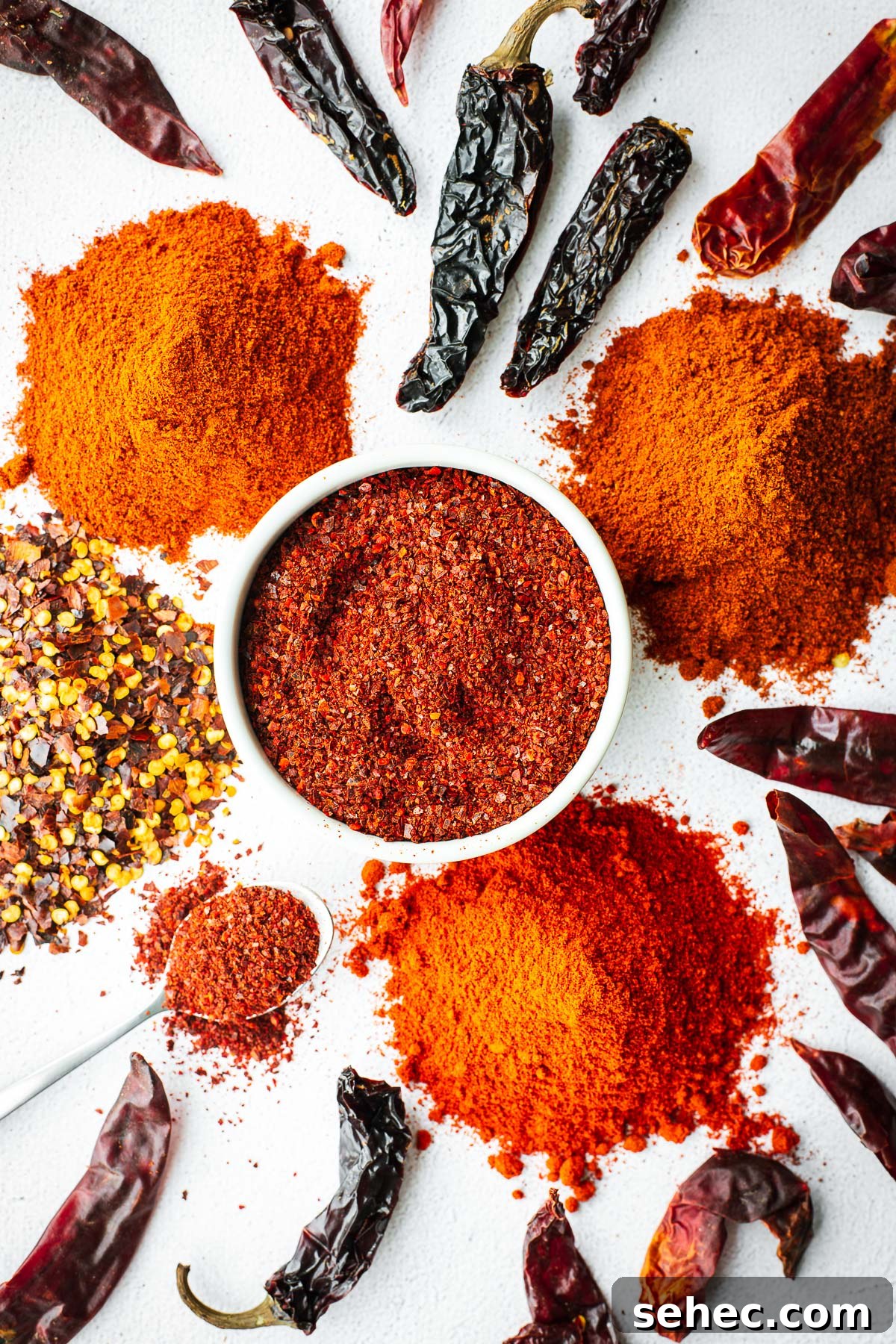
In this post
- What is gochugaru?
- Gochugaru in Korean cuisine
- Gochugaru vs gochujang
- The best gochugaru substitutes
- Best gochugaru alternative for making kimchi
- How to make gochugaru flakes from dried chillies
What is gochugaru?
Gochugaru is a seedless Korean chilli powder used widely in Korean cuisine. In Korean, gochu means chilli pepper, and garu means powder. It is a staple ingredient in Korean kitchens and is essential for many classic dishes.
Korean chilli peppers, also called gochu peppers, are medium-sized peppers from the Capsicum annuum species. They have a mild, fruity chilli flavour. Green, unripe Korean hot peppers measure around 1,500 Scoville heat units.
Hotter gochugaru is often made with Cheongyang chilli peppers. These look similar to standard Korean peppers but have more heat. They also belong to the Capsicum annuum species and measure about 10,000 Scoville heat units.
The Capsicum annuum family also includes paprika, bell peppers, serrano, poblano, padrón, mirasol peppers, guajillo chillies, jalapeños, chile de árbol, cayenne, cascabel, bird’s eye and Aleppo peppers.
What does gochugaru look like?
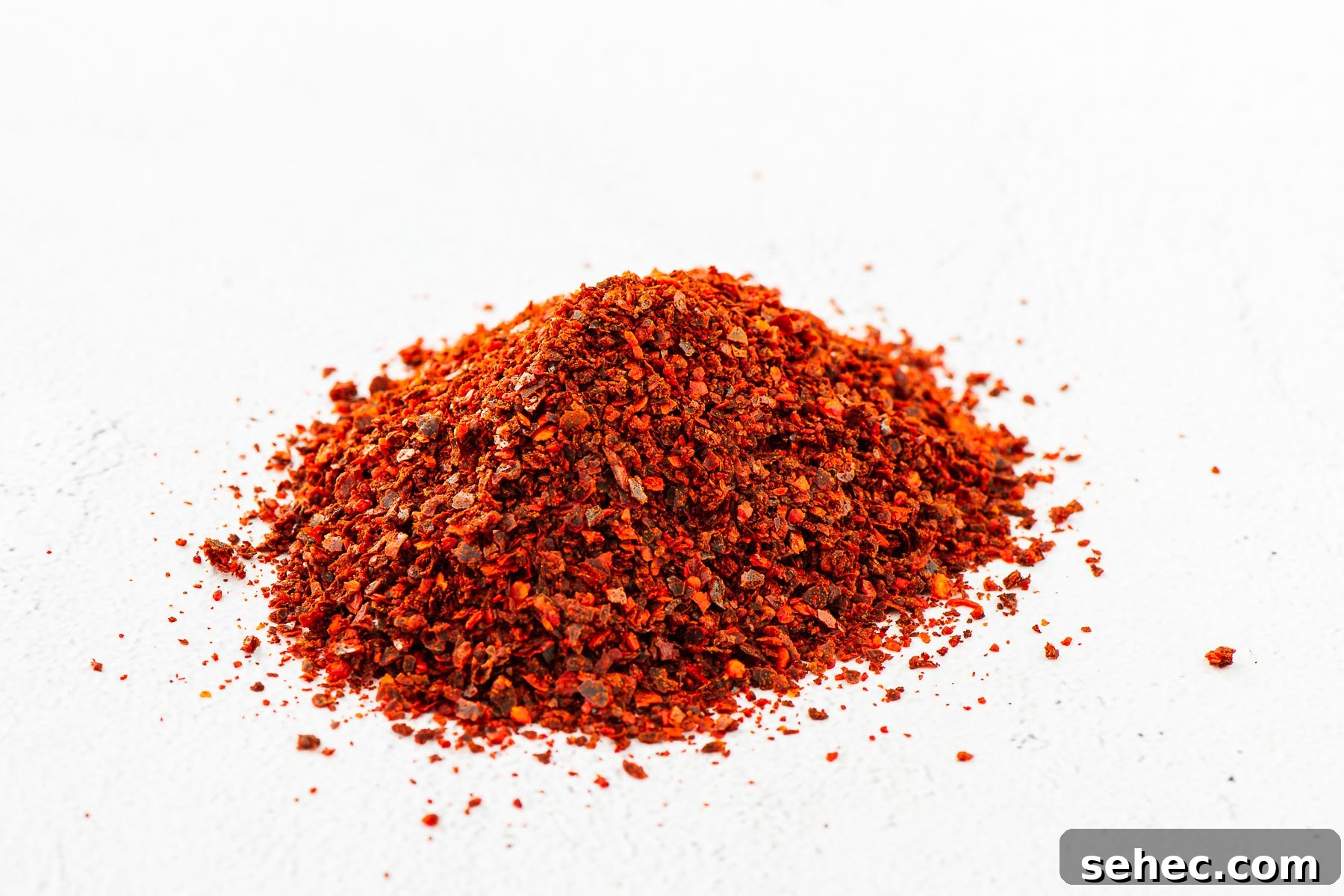
Gochugaru has a bright red colour and can range in texture from a fine powder, often called Korean chilli powder, to coarser flakes known as Korean chilli flakes. It is made by grinding dried, deseeded peppers into small, delicate flakes or powder.
Because gochugaru is usually seedless, it has a finer and cleaner texture than many Western crushed chilli flakes. Regular red pepper flakes often contain seeds, so they are not the closest match, although they can still work when you have no better option.
What does Gochugaru taste like?
Gochugaru tastes spicy, sweet and lightly smoky, with a more rounded flavour than plain chilli powder. Depending on the variety, it can be mild or moderately hot.
Mild gochugaru is called deolmaewoon gochugaru, while the hotter variety is known as maewoon gochugaru. This difference matters when choosing the right substitute, especially for kimchi, stews and sauces.
What is taeyangcho gochugaru?
Taeyang means sun in Korean. Taeyangcho, or taeyang-cho, gochugaru is made from sun-dried Korean chilli peppers. Standard gochugaru may be dried using industrial heat instead.
Traditional taeyangcho gochugaru is often prized for its bright colour and full flavour, though it is usually more expensive. If you want high-quality gochugaru, check the packaging for the word “taeyangcho”.
How is gochugaru used in Korean cuisine?
Gochugaru is best known as an essential ingredient in kimchi.
It is also used in many Korean recipes, including yukgaejang, a spicy beef soup; dubu jorim, spicy braised tofu; sundubu jjigae, spicy soft tofu stew; kongnamul muchim, a soybean sprout side dish; and oi muchim, or spicy cucumber salad. Gochugaru gives these dishes their signature colour, warmth and chilli flavour.
Korean recipes with gochugaru
- Gochujang sauce for bibimbap
- Korean sesame broccoli salad
- Spicy green onion salad
- Gochujang noodles
- Korean spicy cucumber salad
In Korean cooking, gochugaru is used for both everyday side dishes and deeply flavoured sauces.
Coarse gochugaru flakes are commonly used for kimchi, soups and stews, while finely ground gochugaru is ideal for making gochujang and smooth chilli sauces.
Gochugaru vs Gochujang
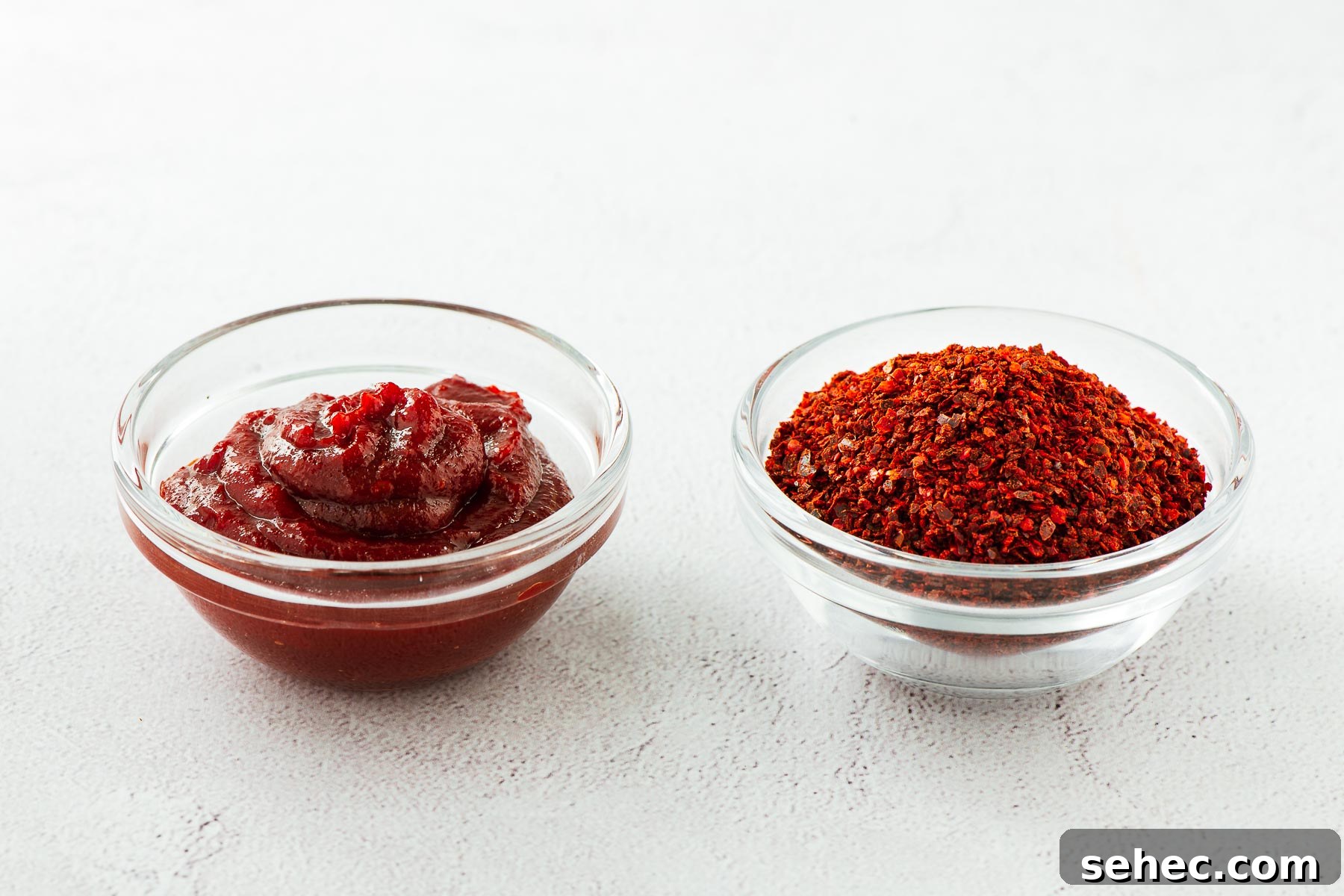
Gochujang, also written as gochu-jang, is a Korean fermented red chilli paste.
Gochugaru is one of the main ingredients in gochujang paste, along with glutinous rice powder, barley malt powder, fermented soybean powder and salt.
Gochujang is dark red, thick and intensely savoury. It tastes spicy, sweet, salty and deeply umami, with a subtle smoky quality. The sweetness comes from cooked glutinous rice during fermentation. Like gochugaru, gochujang is available in different spice levels.
The most obvious difference is texture. Gochujang is a thick paste, while gochugaru is a dry powder or flake.
The flavour is also different. Gochugaru is not salty and has a cleaner chilli taste, while gochujang is salty, sweet and fermented.
You can make traditional gochujang at home, but it requires a long fermentation process. For a quicker option, you can make a homemade gochujang substitute using gochugaru, miso paste, soy sauce, maple syrup and a few extra flavour boosters.
Related Post: The best gochujang substitute and what not to use.
The best substitutes for gochugaru
If you cannot find gochugaru at your local grocery store, you can still make flavourful Korean-inspired dishes at home.
Korean gochugaru has a distinctive taste, but several chilli powders and flakes can offer a similar red colour, gentle sweetness and spicy kick. The best choice depends on whether your recipe needs mild heat, moderate heat, coarse flakes or fine powder.
Measuring the spiciness of chilli powder alternatives
To choose the best gochugaru substitute, it helps to compare the heat level of different chillies.
The Scoville scale measures the spiciness of chilli peppers in Scoville heat units, or SHU. This makes it easier to compare mild and hot chilli powders when replacing gochugaru.
Gochugaru generally falls between 1,500 and 10,000 Scoville heat units.
The best substitute for gochugaru should have these qualities:
- a seedless chilli powder,
- a bright red colour,
- a sweet, gently smoky flavour,
- and a heat level between 1,500 and 10,000 Scoville Heat Units.
With those qualities in mind, these are the best gochugaru alternatives for different uses.
1. Aleppo pepper flakes: The best substitute for hot gochugaru
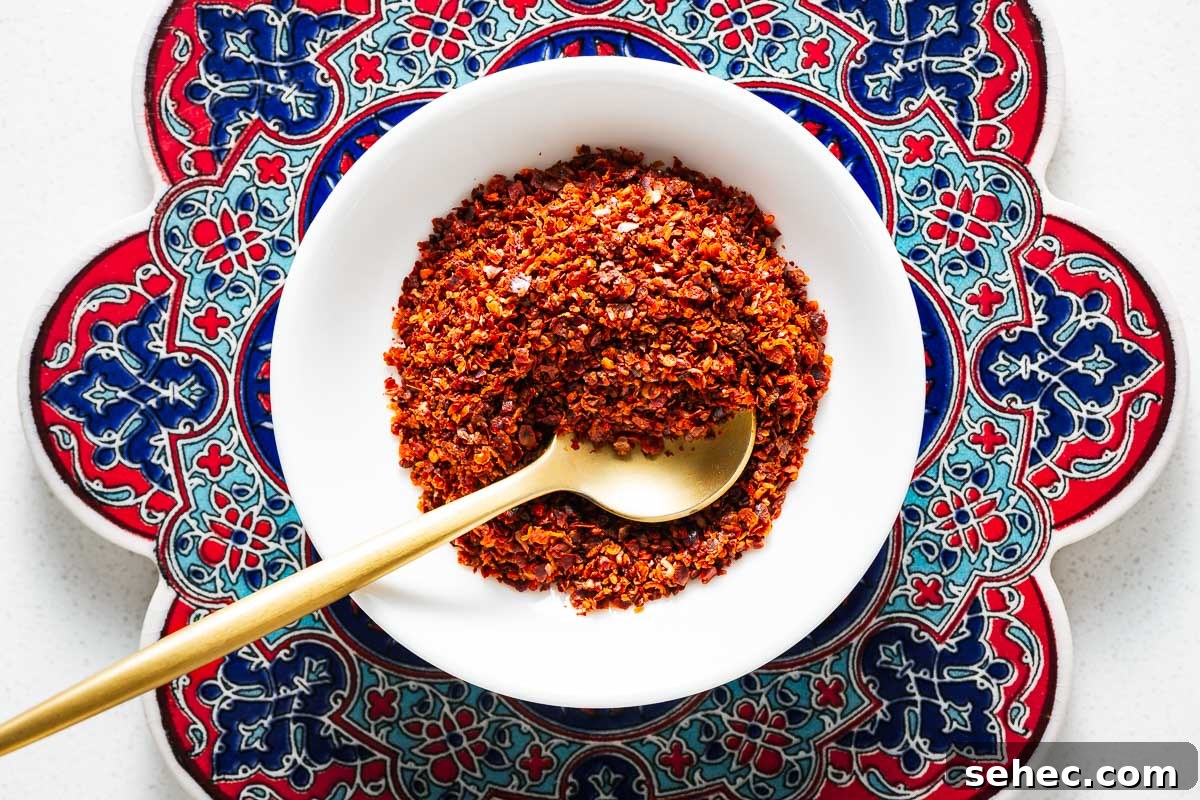
The Aleppo pepper, also called Halaby pepper, is another variety of Capsicum annuum. It is widely used in Turkish, Middle Eastern and Mediterranean cooking. In Turkey, dried Aleppo pepper is one of the most common seasonings after salt and black pepper.
Turkish Aleppo pepper flakes are called pul biber, where pul means flake and biber means pepper. Armenian dried Aleppo pepper powder is known as Halebi bibar.
Aleppo pepper flakes are made from fully ripened peppers that are semi-dried, deseeded and crushed or coarsely ground. They have a moderate heat level of around 10,000 SHU, which makes them a strong match for hot gochugaru made with Cheongyang peppers.
The flavour is gently sweet, fruity and earthy, with enough heat to bring warmth to kimchi, stews, marinades and sauces.
Learn more about Aleppo pepper flakes.
2. Kashmiri chilli powder: The best substitute for mild gochugaru
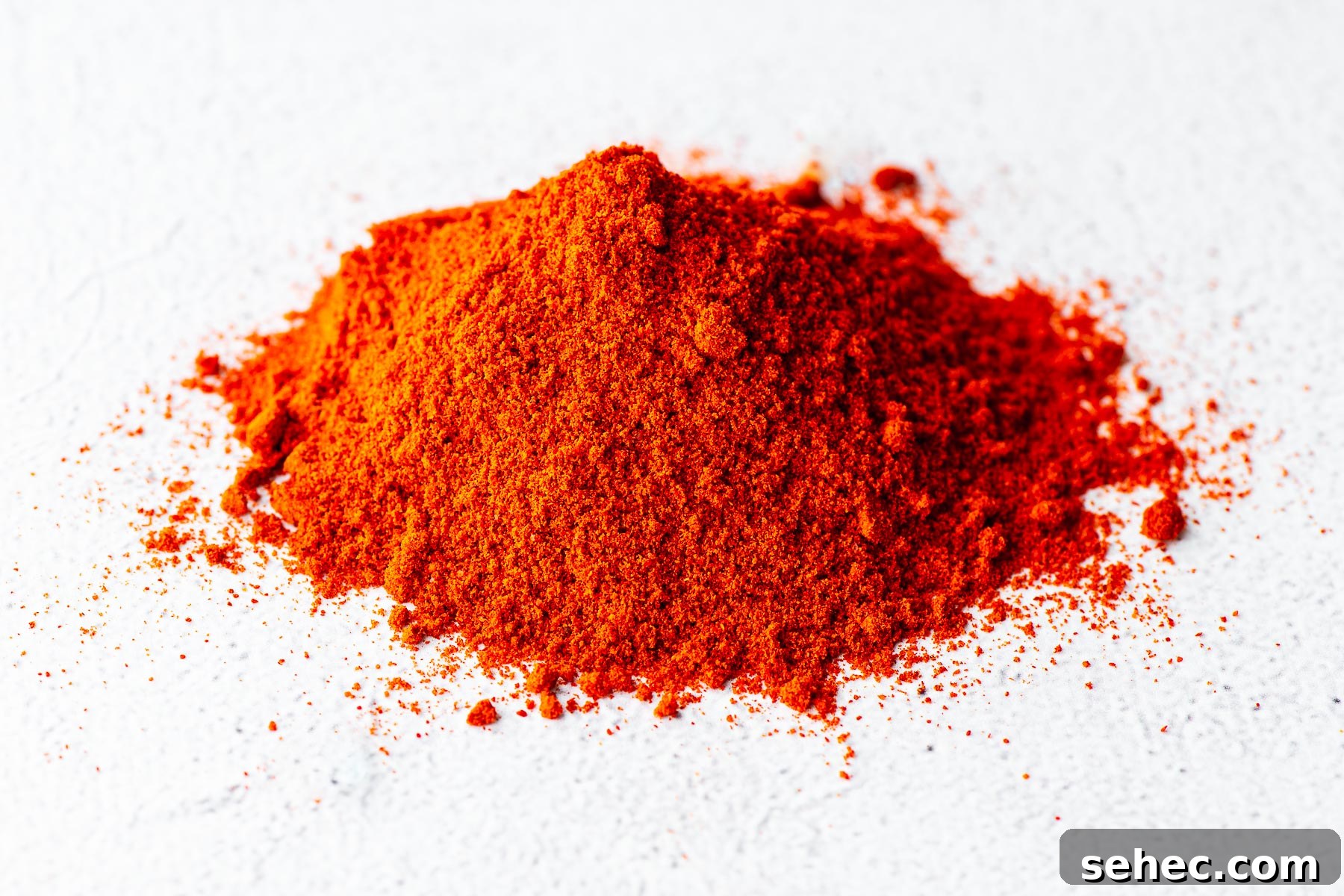
Kashmiri chilli powder is an Indian chilli powder known for giving food a beautiful red colour without making it overly hot. It also has a sweet, slightly smoky flavour and a fruity aroma.
Kashmiri red chillies are mild, with a heat level of 1,000 to 2,000 SHU. They are widely used in Indian curries, soups, stews, sauces and marinades.
Use Kashmiri chilli powder as a direct substitute for mild gochugaru powder, especially when colour is just as important as heat.
Try it in this easy homemade gochujang substitute recipe.
3. Paprika: The best pantry staple substitute for gochugaru
Aleppo pepper flakes and Kashmiri chilli powder are excellent gochugaru substitutes, but they may not always be easy to find.
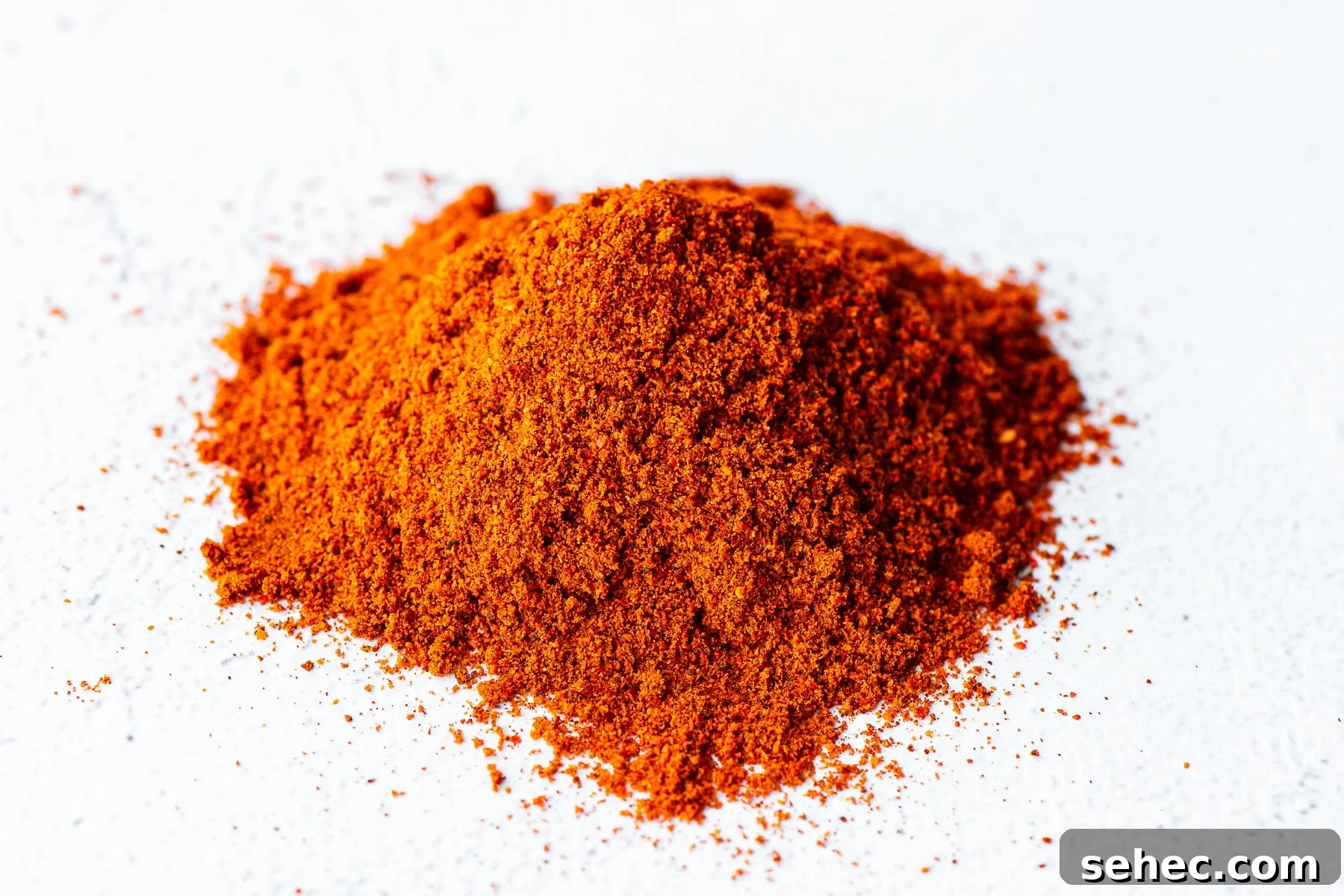
Paprika is a more common pantry ingredient. It is a fine red pepper powder that can be mild, sweet, smoky or hot, depending on the type. Hot paprika can work well as a gochugaru substitute. If your paprika is very mild, add a small pinch of cayenne powder to bring back some heat.
If you want the red colour and sweet smoky flavour of gochugaru without much spice, mild paprika is a useful option.
The best gochugaru substitute for kimchi
The best replacement for gochugaru flakes in kimchi is Aleppo pepper flakes. They have a similar coarse texture, moderate heat and seedless finish, making them the closest match for hot gochugaru.
For a milder kimchi, use Kashmiri chilli powder. For a pantry-friendly option, combine paprika with a pinch of cayenne powder.
You can also make your own gochugaru substitute by grinding deseeded dried chillies.
Since gochugaru is seedless, Western crushed red pepper flakes and cayenne flakes are not ideal. They usually contain seeds, and cayenne is much hotter than gochugaru.
How to make a gochugaru substitute from whole dried chillies
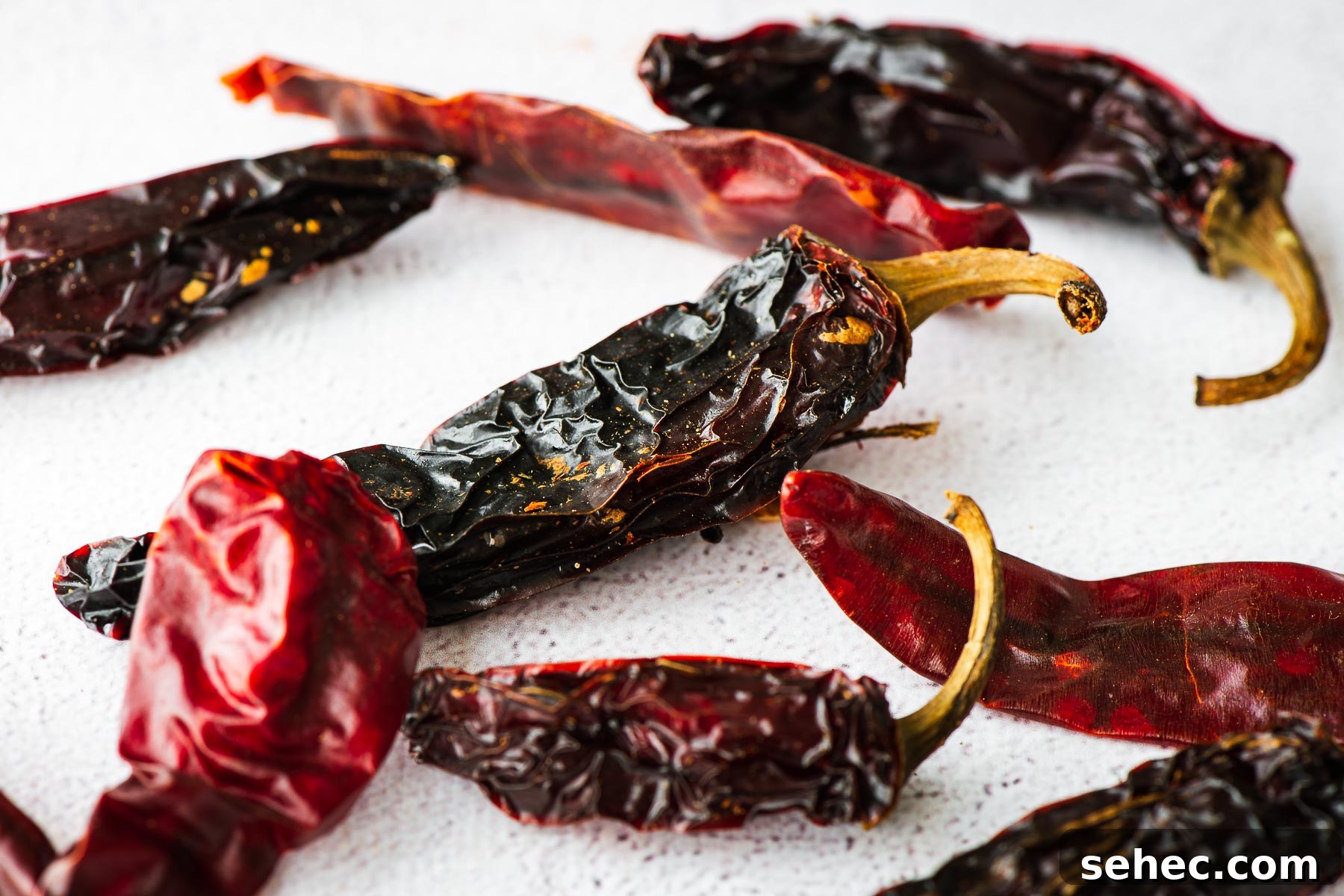
To make homemade chilli flakes, remove the seeds from whole dried chillies. Crush them with a mortar and pestle for coarse flakes, or grind them in a spice grinder for a finer chilli powder.
The best dried chillies to use for a gochugaru substitute are:
- Ancho chiles: Anchos are dried poblano peppers commonly used in Mexican cuisine. They have a fruity flavour and subtle smokiness, with a heat level of about 1,000 to 1,500 SHU. Homemade ancho chile powder is a good mild gochugaru substitute.
- Chipotle peppers: Chipotles are smoke-dried red jalapeños. They are much smokier than gochugaru and darker in colour, but they share a similar sweetness. They range from 2,500 to 8,000 SHU, making chipotle powder a moderately spicy alternative.
- Chile de Arbol: These dried chillies are much hotter, measuring between 15,000 and 30,000 SHU. If using chile de árbol powder instead of gochugaru, start with half a teaspoon for every teaspoon of gochugaru and adjust to taste.
You can also try chile pasilla at 1,000 to 3,999 SHU, Mulato pepper or Chile Mulato at 2,500 to 3,000 SHU, or guajillo chili at 2,500 to 5,000 SHU.
Frequently asked questions
No, gochujang paste and gochugaru are not direct substitutes. Gochugaru is made from dried Korean chilli peppers, while gochujang is a fermented chilli paste made with gochugaru and other ingredients. Both can vary in heat level.
The texture is very different: gochugaru is dry, while gochujang is thick and sticky. The flavour is different too. Gochugaru contains no salt, while gochujang is salty, sweet and fermented.
In soups and stews, you can use a small amount of gochujang for heat if needed. Reduce the salt in the recipe to balance the flavour.
Different chilli powders have different flavours, colours, textures and spice levels. For the best result, choose a seedless chilli powder or flake with a sweet, mildly smoky flavour.
Always check the heat level before substituting. Gochugaru usually ranges from 1,500 to 10,000 Scoville heat units, so very hot chilli powders should be used sparingly.
Yes. Remove the seeds first, then crush the dried chillies into flakes or grind them into powder.
You can often find gochugaru in the Asian ingredient aisle of larger grocery stores or at Asian speciality markets. If it is not available locally, there are several useful substitutes once you understand its colour, texture, heat level and flavour.
Use gochugaru in these Korean recipes
- Homemade gochujang substitute with fine gochugaru powder.
- Spicy Korean cucumber salad (oi muchim) with gochugaru flakes.
- Or add some spice to this Korean sesame broccoli salad.
- And try a refreshing Korean green onion salad with a spicy kick.
- Or sprinkle gochugaru on Korean soy-braised potatoes for a spicy twist.
Summary
Korean red pepper flakes range from mild to moderately hot, usually between 1,500 and 10,000 Scoville heat units. Gochugaru has a vivid red colour, a sweet chilli flavour, a hint of smokiness and a seedless texture that can be either fine or coarse.
Pul biber, made from Aleppo pepper flakes, is the best substitute for hot gochugaru. Indian chilli powder, especially Kashmiri chilli powder, is the best choice for mild gochugaru. If you prefer less heat, use sweet paprika and add cayenne pepper slowly, one small pinch at a time.
You can also make ground chilli flakes from deseeded dried chillies.
In a pinch, almost any chilli powder or chilli flake can add heat to a recipe. For the closest match, choose seedless flakes with a red colour, mild sweetness and a heat level close to gochugaru.
More interesting ingredient substitutes
- The best sambal oelek substitutes
- The best gochujang substitutes
- The best substitutes for harissa paste